
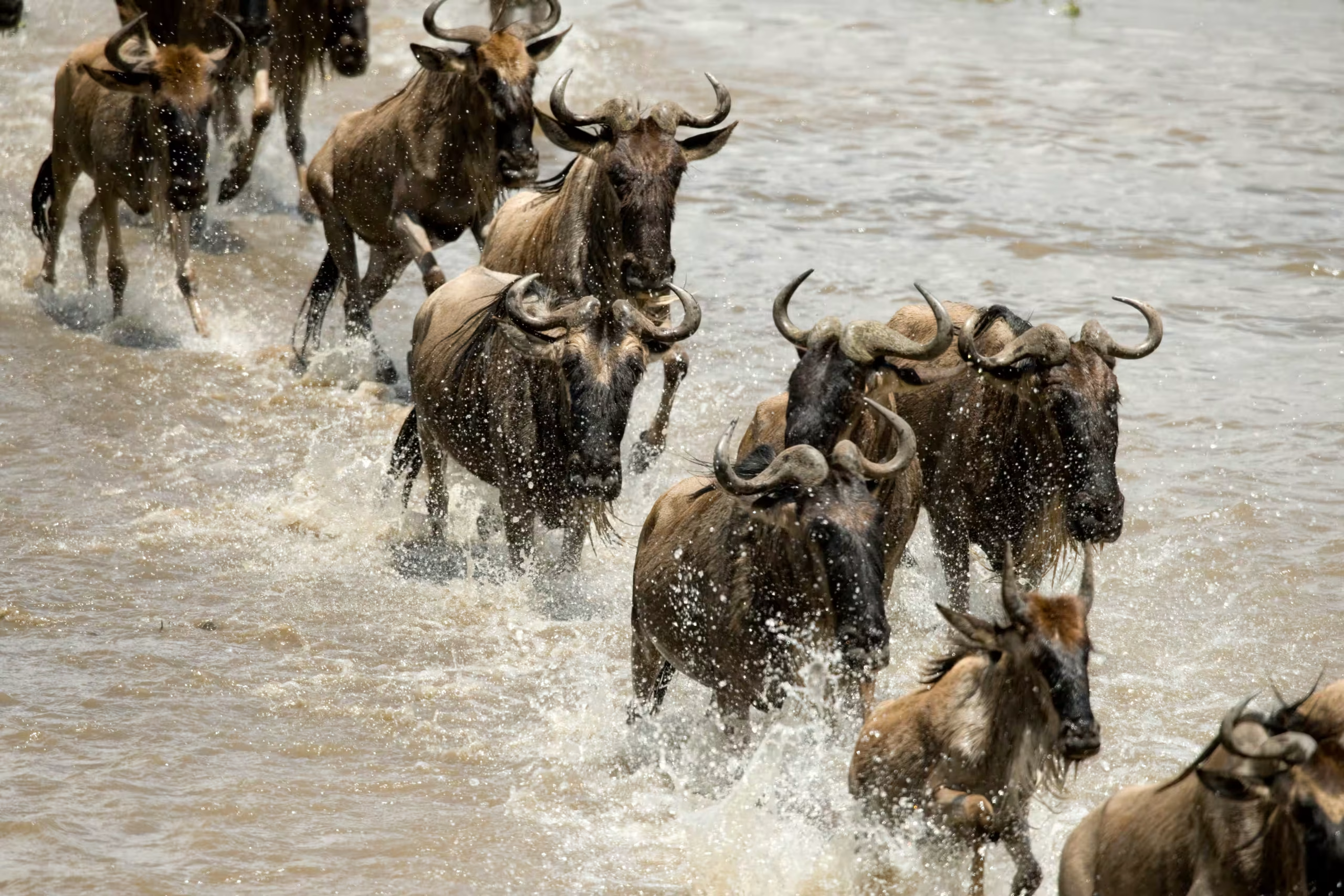
Migration map showing seasonal wildebeest movements
Following the Great Migration
Where the herds are, month by month — and how to be there for the river crossings.
Read →
Honest, practical advice from the people who live here — when to go, how to get there, what to pack and how to make the most of your Tanzania adventure. Everything you need to plan a smooth, unforgettable trip.
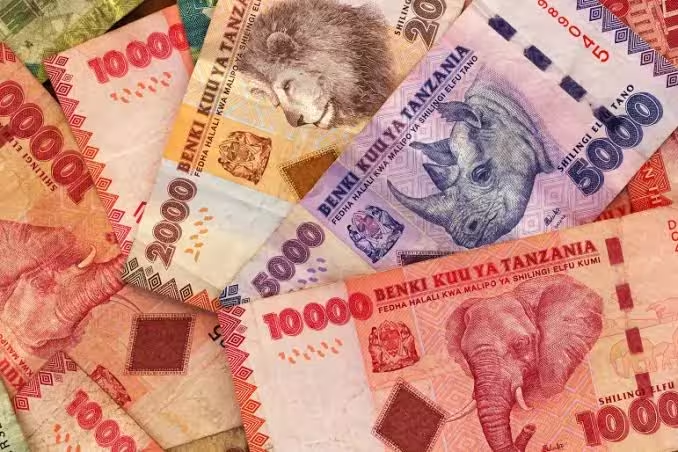
The Tanzanian shilling is the local currency, but US dollars are widely accepted for tourism — bring newer notes (post-2013) in good condition. Card payment is common at lodges and larger establishments, though cash is useful for tips, markets and small purchases. Tipping guides, drivers and camp staff is customary and warmly appreciated.
Mobile coverage is surprisingly good across much of the country, and most camps and lodges offer Wi-Fi, though it can be slow in remote areas — a chance to properly switch off. English is widely spoken alongside Swahili, and a few Swahili words (jambo for hello, asante for thank you) go a long way.
Above all, Tanzanians are famously warm and courteous. A friendly greeting, patience and respect — especially when photographing people, always ask first — will be met with genuine kindness.
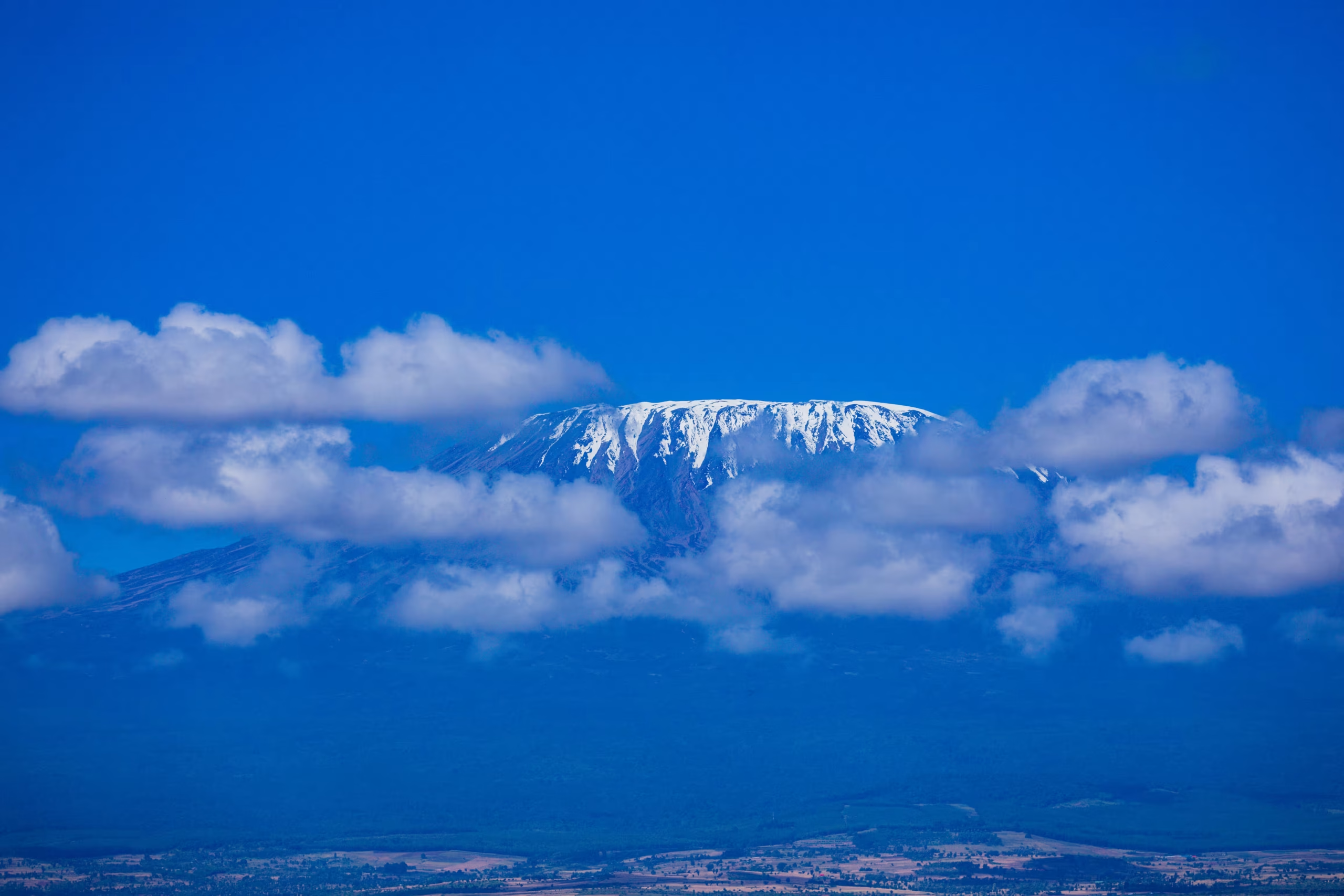
Most international visitors fly into Kilimanjaro International Airport (JRO), the most convenient gateway for the northern safari circuit and Kilimanjaro, or into Julius Nyerere International in Dar es Salaam for the south and coast. Zanzibar has its own international airport for beach add-ons.
Citizens of most countries require a visa, which can be obtained on arrival or, increasingly, online in advance through the official Tanzanian e-visa system — we recommend applying ahead to save time. Your passport should be valid for at least six months beyond your travel dates with blank pages for stamps.
We arrange all airport transfers and internal flights, and meet you on arrival, so from the moment you land your journey is in safe hands.

Tanzania is a big country, and getting between its parks is part of the adventure. Many northern-circuit safaris are done entirely by road in a comfortable 4x4 with a pop-up roof for game viewing — the drives themselves become mini game drives, with wildlife and scenery along the way. Distances are manageable, and your guide-driver stays with you throughout for continuity and local insight.
For longer distances — reaching the remote southern and western parks, or connecting the mainland with Zanzibar — light aircraft make everything quick and easy, turning what would be long drives into short, scenic hops with breathtaking views. We arrange all internal flights and transfers, coordinate the timings seamlessly, and meet you at every step, so moving through the country is effortless.
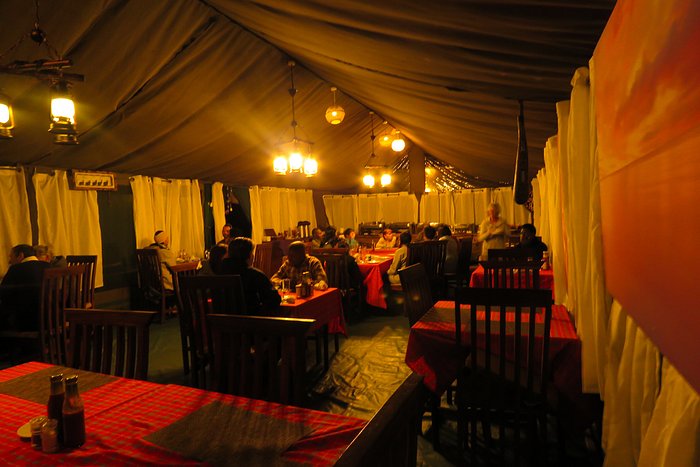
Where you sleep is a big part of the safari experience, and Tanzania offers something for every taste and budget. At the classic end sit tented camps — canvas suites with proper beds and en-suite bathrooms, often unfenced and wonderfully close to nature, where you fall asleep to the sounds of the bush. Lodges range from comfortable and family-friendly to genuinely luxurious, with pools, fine dining and sweeping views.
For the adventurous, mobile camps move with the migration to keep you in the heart of the action, while budget camping safaris offer an authentic, great-value way to experience the wild. We know these places personally — their quirks, their strengths and their locations — and we match them carefully to your style, your budget and the season, so every night is as memorable as every day.
Dig deeper with our practical guides to planning the perfect Tanzania trip.
Where the herds are, month by month — and how to be there for the river crossings.
Read →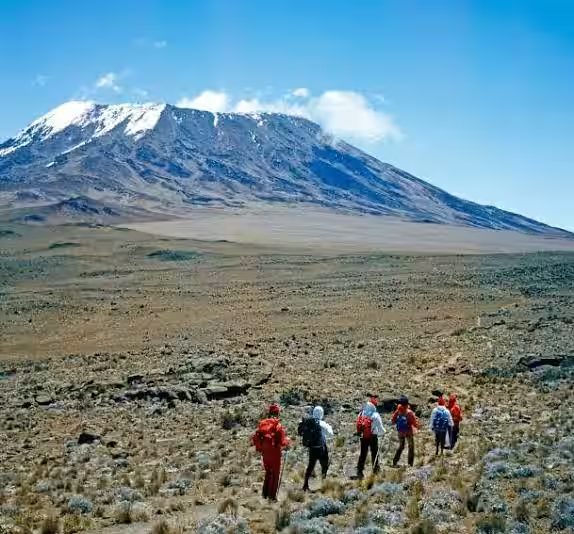
How to train, what to expect, and how to give yourself the best chance at the summit.
Read →
Why the spice island is the perfect way to end a Tanzania safari, and when to go.
Read →