wondernest travel

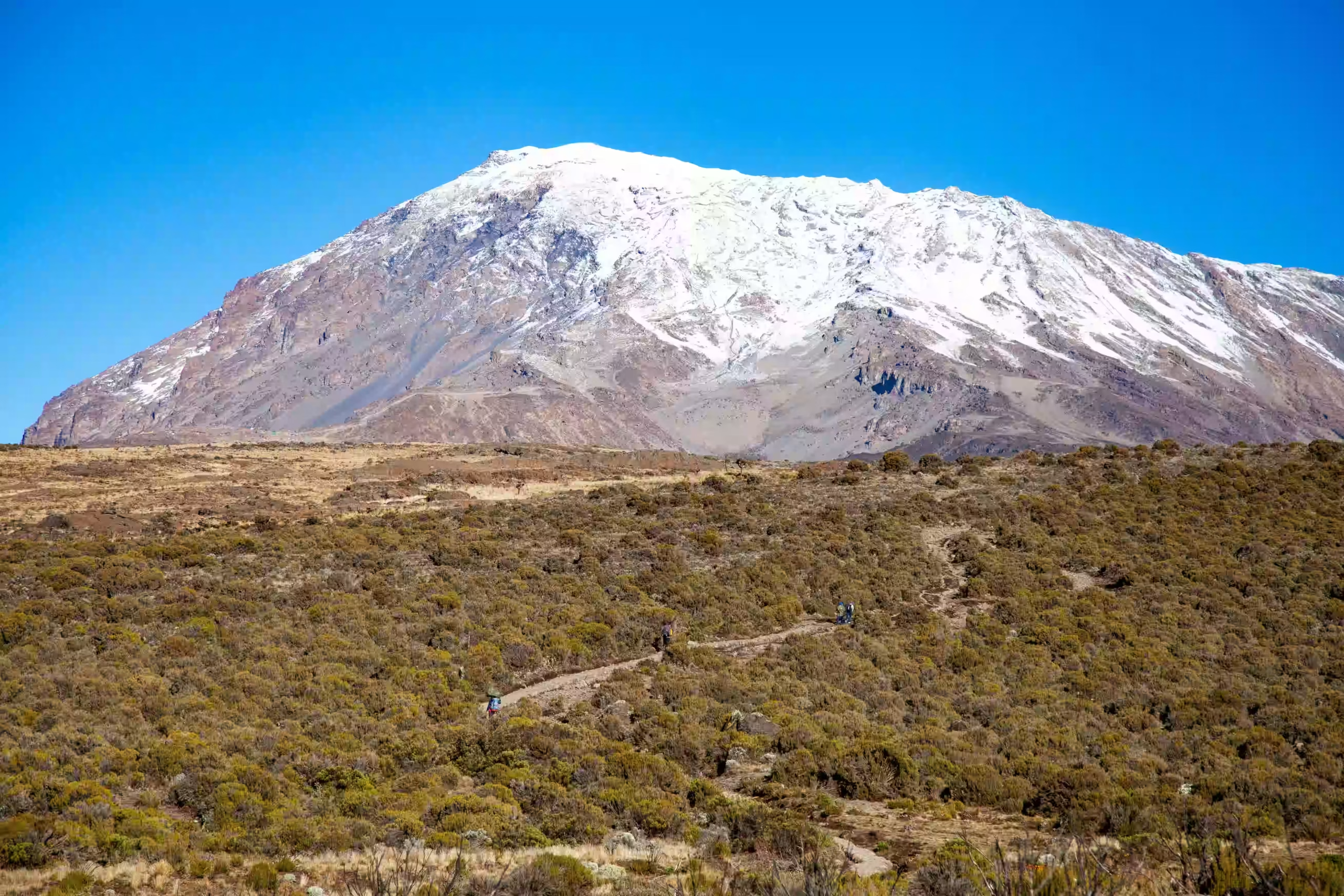
Snow-capped summit of Kilimanjaro under clear blue skies — 2400×1400
Mount Kilimanjaro · Plan Your Climb

Best Time to Climb

Kilimanjaro can be climbed all year round — but the season you choose shapes everything, from the weather and the views to the crowds and your chances of reaching the summit. Here is when to go, and why.

IThe Short Answer

When to Climb Kilimanjaro

Although Kilimanjaro sits close to the equator and can be trekked in any month, its weather varies enormously through the year, and choosing the right window makes a real difference to your experience and your success. In short, the mountain has two main dry seasons that are by far the best times to climb, and two rainy seasons that are best avoided if you can.

The prime windows are January to mid-March and June to October. Both offer the clearer skies, drier trails and better views that make for a safer, more comfortable and more enjoyable climb. The rains — the long rains of April and May and the short rains of November — bring cloud, wet ground and slippery going, though they also bring solitude, and well-prepared trekkers on longer routes still summit successfully.

Timing your climb well is one of the simplest ways to improve both your experience and your odds — and it is something we help every traveller get right. Beyond the broad seasons, factors like the full moon, how busy the trails are, and which route you choose all play a part, and they are easy to balance once you know how. Whatever your available dates, there is almost always a good option.

Below we look at each season in detail, the month-by-month picture, and how to weigh up weather, crowds and the full moon so you can pick the perfect time for your climb.

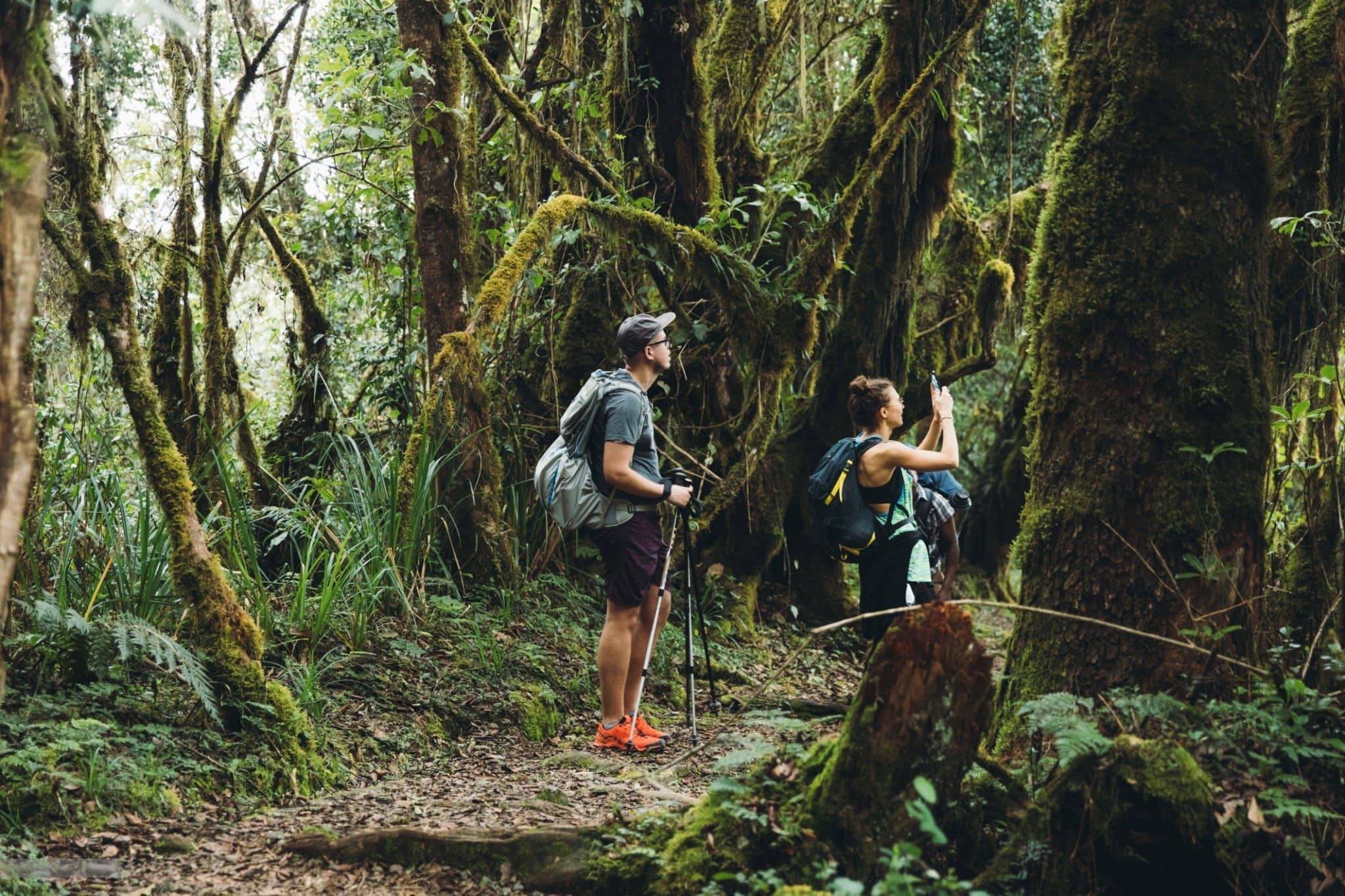
Trekkers walking a clear, dry Kilimanjaro trail in good weather
Trekkers walking a clear, dry Kilimanjaro trail in good weather — 1000×750
The Dry Seasons

The Best Windows to Climb

The two dry seasons are the classic times to tackle Kilimanjaro, and for good reason. January to mid-March is warmer and generally clear, with a good chance of fresh snow near the summit and noticeably fewer climbers than the mid-year peak — a beautiful, quieter window that many of our travellers love.

The June to October dry season is the most popular of all, coinciding with the northern-hemisphere summer holidays. Skies are stable and dry, conditions are excellent, and the trekking is at its most reliable — the trade-off being busier trails, especially on the shorter routes. Both seasons deliver the sort of settled weather that gives you the best possible shot at the summit.

Prime windows: Jan–mid-Mar & Jun–Oct  ·  clear, dry & reliable
MonthsSeasonWhat to expect
January – mid-MarchDry seasonWarm, mostly clear, quieter; chance of fresh summit snow — excellent
April – MayLong rainsWettest months, cloud and mud — best avoided; very few climbers
JuneStart of dry seasonDrying out, cooler, greener — a lovely, less-busy time
July – SeptemberPeak dry seasonStable, dry, superb conditions — the busiest and most popular window
OctoberEnd of dry seasonStill generally dry and clear before the short rains arrive
NovemberShort rainsIntermittent afternoon rain and cloud — quieter, manageable on longer routes
DecemberShoulderIncreasingly dry towards the festive season — can get busy over the holidays
IIThe Rainy Seasons

Climbing in the Green Months

The two rainy seasons — the long rains from April to May and the short rains in November — are generally best avoided. Trails become wet and muddy, the lower rainforest is at its dampest, cloud can obscure the views, and the going underfoot is harder. For most climbers, the dry seasons are the wiser choice.

That said, the green months are not out of the question, and they have their own appeal: the mountain is beautifully quiet, permits and camps are less crowded, and the lower slopes are lush and green. The short rains in November are usually lighter and more intermittent than the long rains, and well-equipped trekkers on longer, better-acclimatising routes still reach the summit regularly during these times. If your dates fall in a shoulder or rainy period, we’ll advise on the best routes and preparation to make the most of it.

Timing Your Climb

Full Moon & Crowds

Two other factors are worth weighing when picking your dates. The first is the full moon: many climbers deliberately time their ascent so the final summit push — which begins around midnight — falls on or near a full moon, when a bright night sky beautifully lights the way to the top and adds to the magic. We can help you plan your itinerary around it.

The second is crowds. The peak dry season (July to September) and the festive period are the busiest times, particularly on the popular shorter routes, which can feel crowded at the huts and campsites. If you prefer solitude, consider the quieter January–March window, the start or end of the dry seasons, or a longer, less-travelled route such as Lemosho or the Northern Circuit — which also happen to offer the best acclimatisation.
Plan around: the full moon & quieter routes  ·  we’ll help you choose
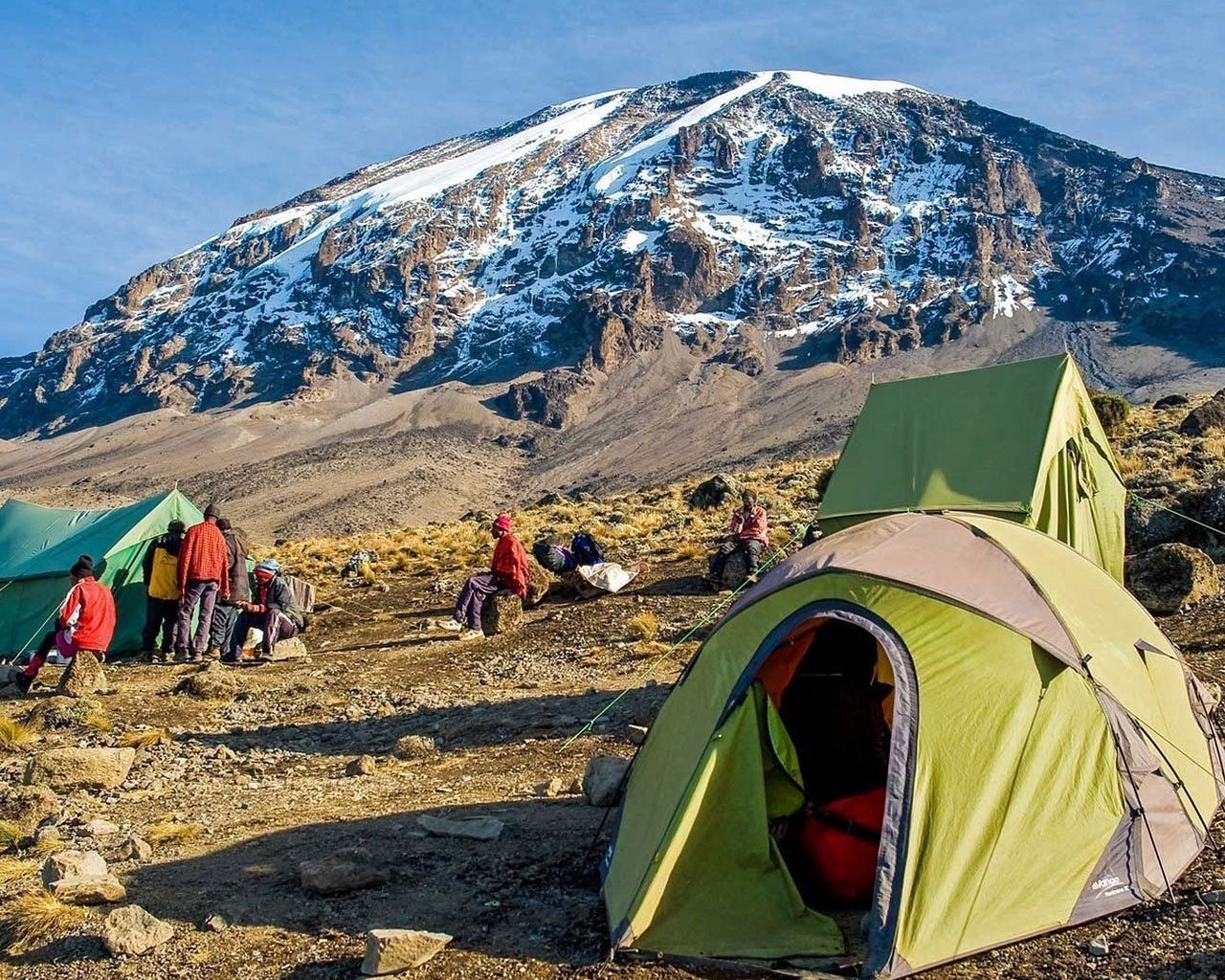
Full moon rising over the silhouette of Kilimanjaro at dusk
Full moon rising over the silhouette of Kilimanjaro at dusk — 1000×750
IIIOn the Mountain

Weather Through the Climate Zones

Whatever season you choose, the weather on Kilimanjaro changes as dramatically as the landscape, because you climb through five distinct climate zones in a matter of days. Understanding this helps you know what to expect — and why layering and preparation matter so much.

You begin in warm, humid rainforest on the lower slopes, where a shower is possible in any season. Climbing higher, you pass through cooler heath and moorland, then into the dry, thin air and big temperature swings of the alpine desert, where days can be sunny and nights bitterly cold. Finally comes the arctic summit zone, where temperatures on summit night can plunge to around −15 to −25°C with wind chill, whatever the time of year. So while the season sets the overall pattern — drier and clearer in the dry months, wetter and cloudier in the rains — you should always be prepared for cold nights and the chance of rain lower down. Our team will make sure you are ready for every zone.

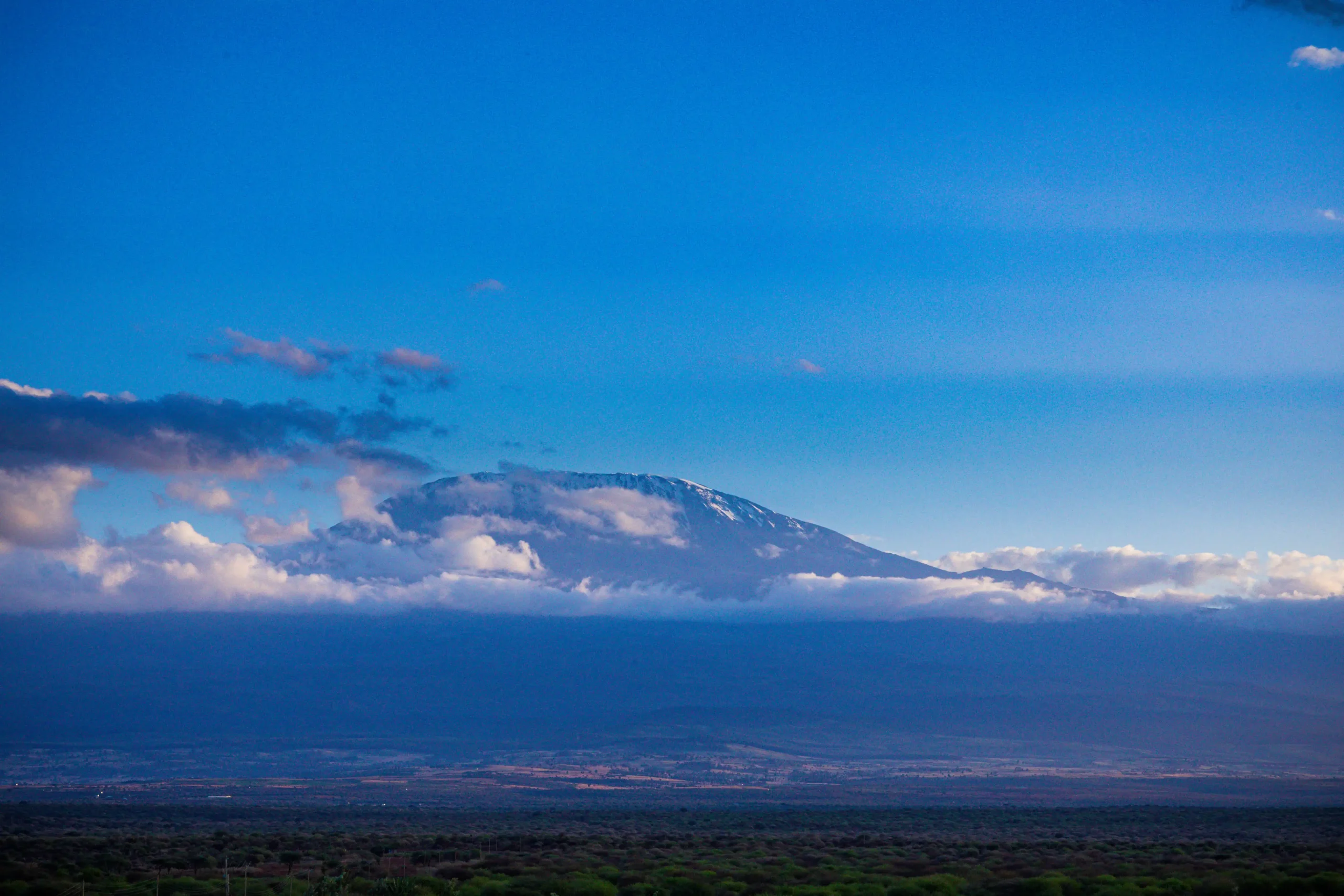
Sunrise over the glaciers and summit of Kilimanjaro
Sunrise over the glaciers and summit of Kilimanjaro — 2400×1400
Whenever You Go

The Summit Awaits

Whichever season you choose, standing on the roof of Africa at sunrise is a moment beyond compare — and getting the timing right simply stacks the odds in your favour. Tell us when you can travel, and we’ll match you to the ideal window and route for clear skies, comfortable trekking and the very best chance of reaching Uhuru Peak. There is no single perfect month that suits everyone, but with the right timing and preparation, the mountain can be climbed successfully across much of the year.

Start Planning
IIIGallery

Kilimanjaro in Pictures

“We climbed in early March on WonderNest’s advice — clear skies, fresh snow at the top and hardly anyone around. The timing was perfect.”

Grace & Peter M., New Zealand
IVGood to Know

Best Time FAQ

Yes — while Kilimanjaro sits near the equator, the dry seasons bring noticeably clearer skies and drier, firmer trails, while the rains bring cloud, mud and wetter going lower down. The season you choose genuinely shapes your experience, though you should always be prepared for cold summit nights whatever the time of year.

The two dry seasons — January to mid-March and June to October — offer the best conditions, with clearer skies and drier trails. June to October is the most popular; January to March is warmer and quieter.

The long rains of April and May, and to a lesser extent the short rains of November, bring wet, muddy trails and more cloud, so they are best avoided if possible. They are, however, much quieter on the mountain.

Yes — with good equipment and a longer, better-acclimatising route, trekkers summit successfully in the green months, enjoying quiet trails and lush lower slopes. We’ll advise on the best route and preparation for those dates.

Many climbers love to, as a bright full moon lights the midnight summit push beautifully. It is entirely optional, but if it appeals we can plan your itinerary so summit night falls on or near a full moon.

The January-to-March window and the very start or end of the dry seasons are quieter, as are the longer, less-travelled routes such as Lemosho and the Northern Circuit — which also give the best acclimatisation.

Begin the Journey

Ready to Time Your Climb?

Let us know when you can get away and we'll match you to the ideal season and route for the best shot at the summit.

Loading itinerary…
Saved Trips