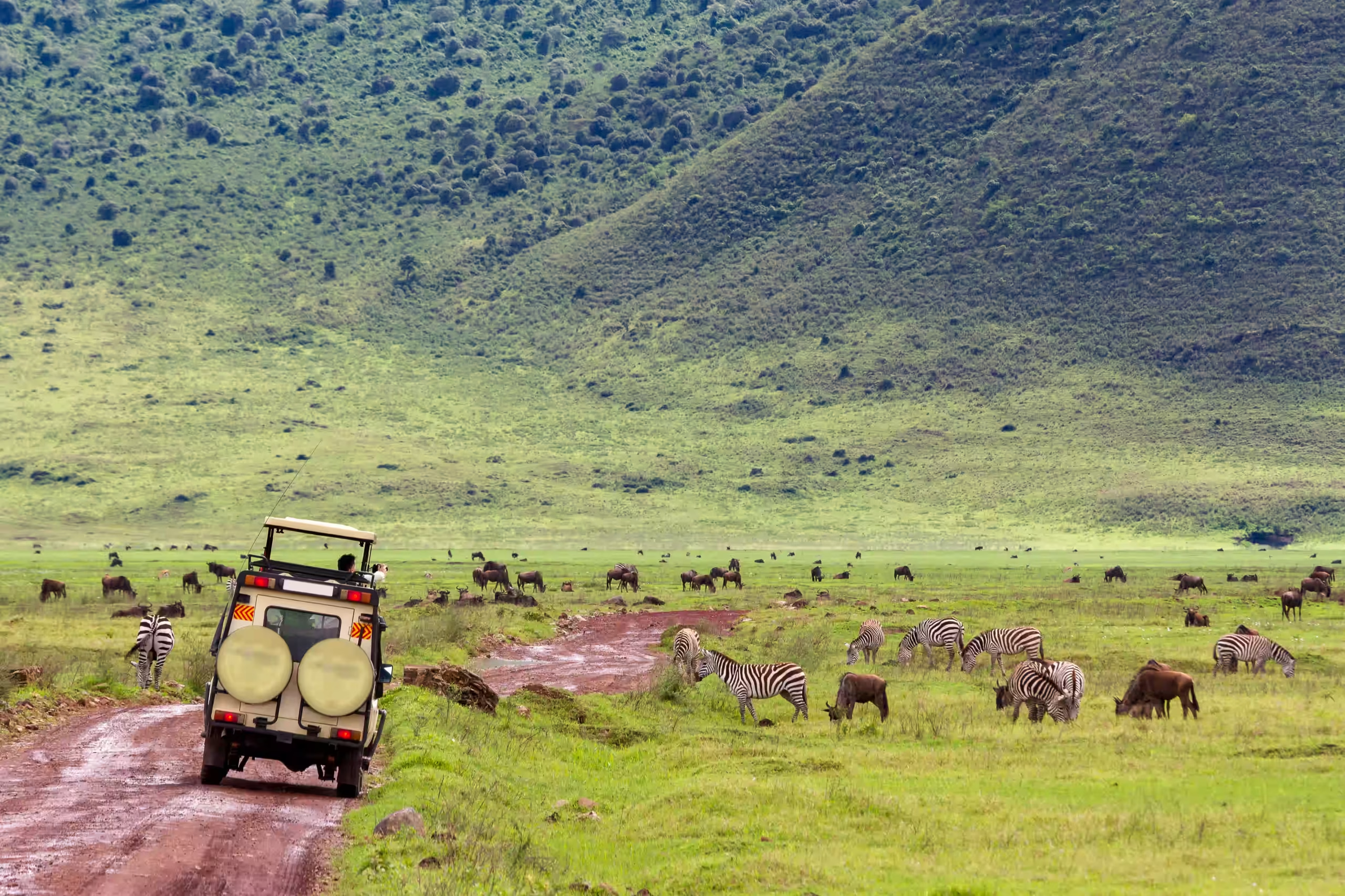
Safari vehicle descending into the Ngorongoro Crater at dawn
Crater Game Drive
Descend to the floor for a full day among some of the densest wildlife in Africa — the highlight of any visit.
Enquire →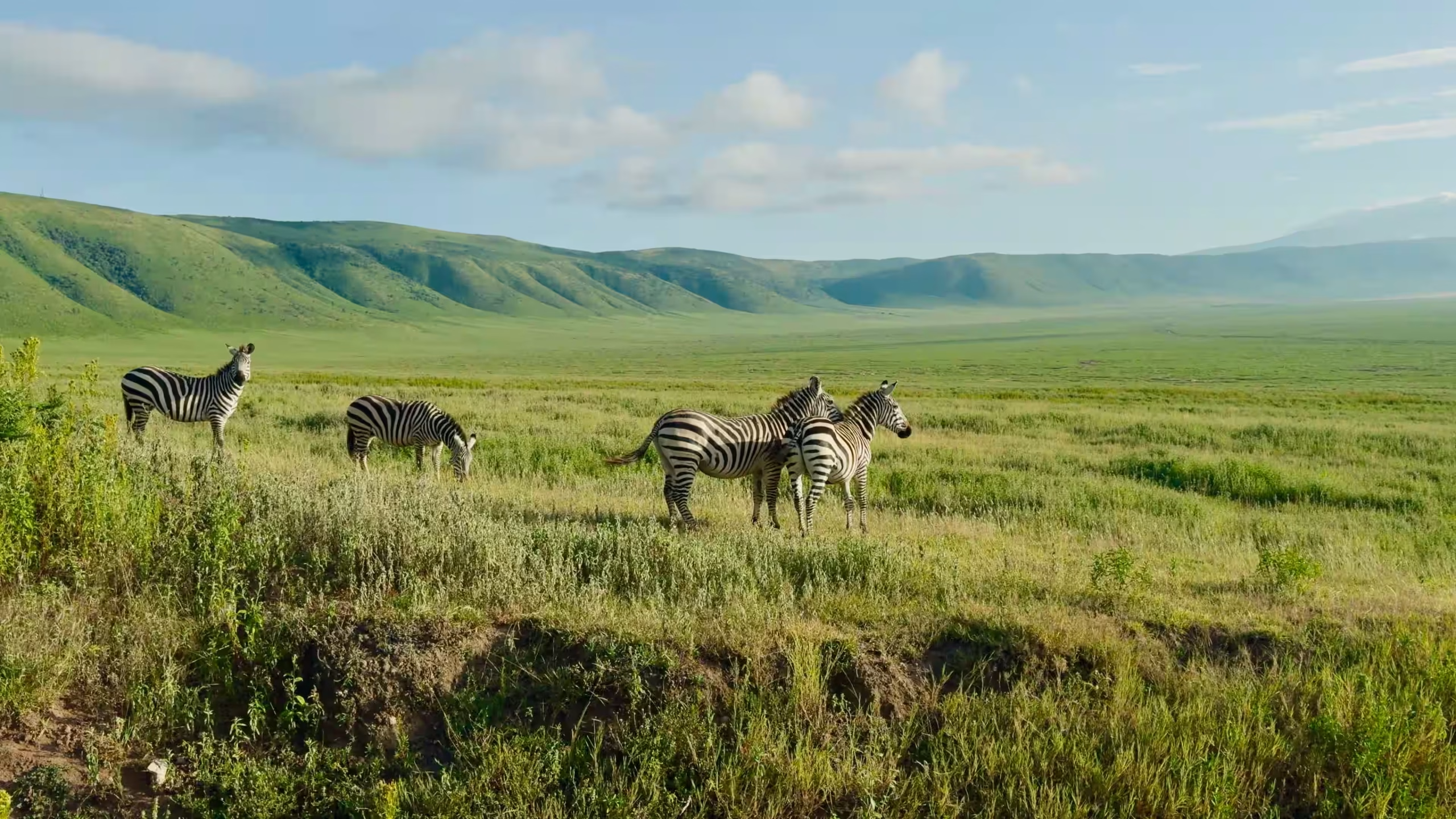
Imagine a collapsed volcano the size of a city, its floor packed with more wildlife than almost anywhere on Earth. You drop six hundred metres into a lost world of grassland, forest and soda lake — and on a good day, you might just tick off all of the Big Five before lunch. It's genuinely one of our favourite days out.
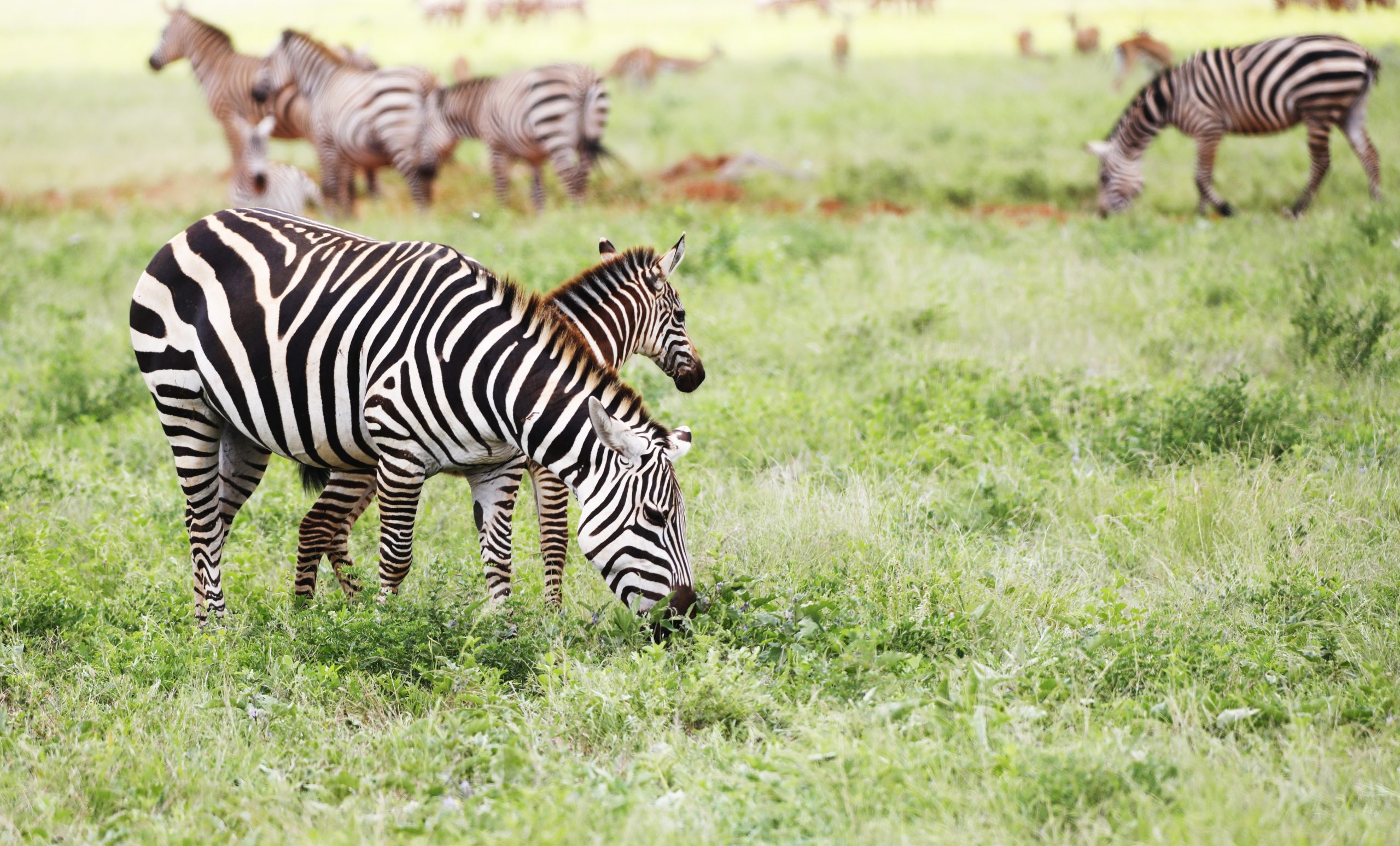
What makes the crater so extraordinary is that everything is concentrated in one contained, self-sustaining ecosystem. Its permanent water and rich grazing mean the wildlife has little reason to leave, so densities are remarkable and sightings come thick and fast.
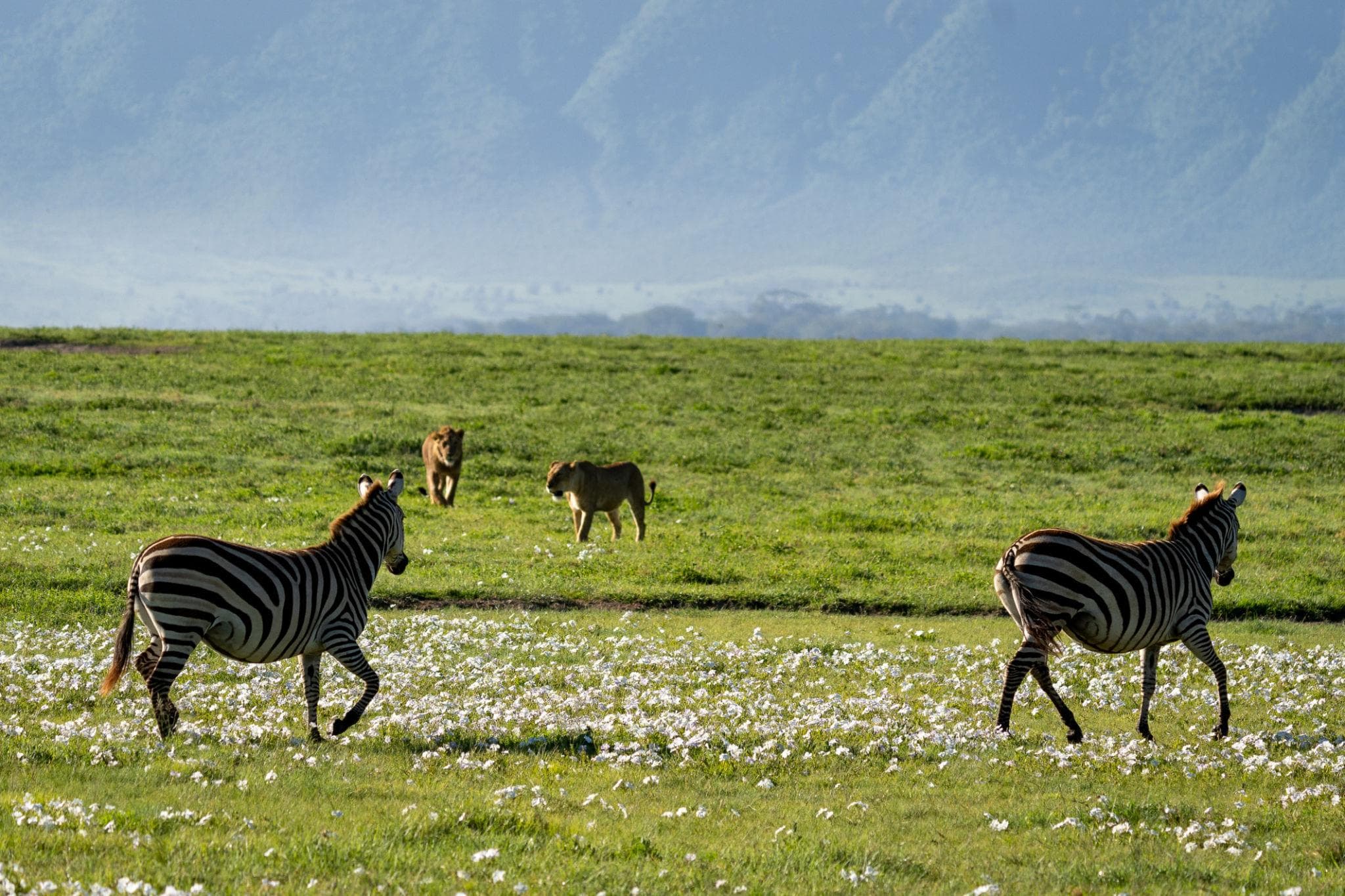
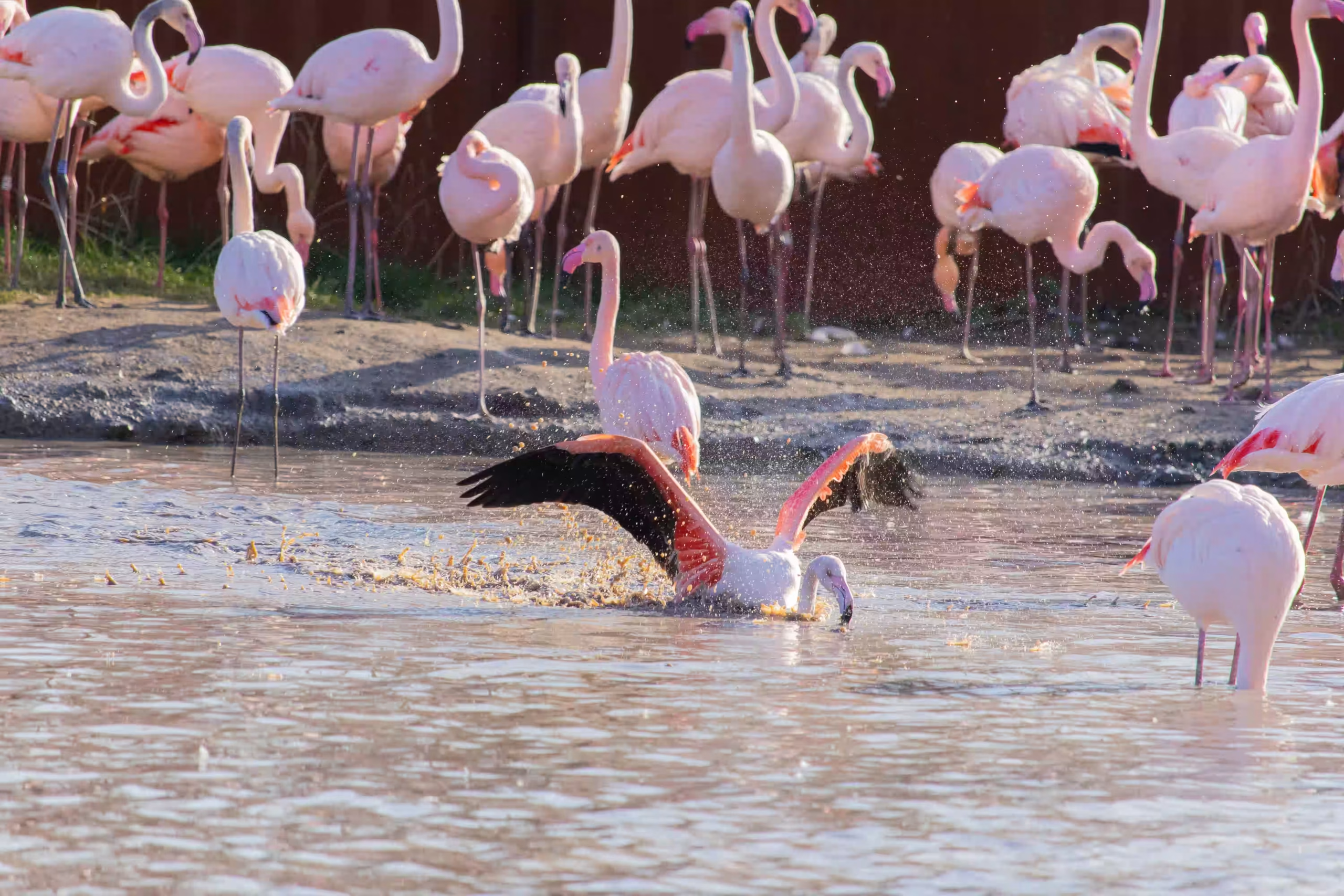
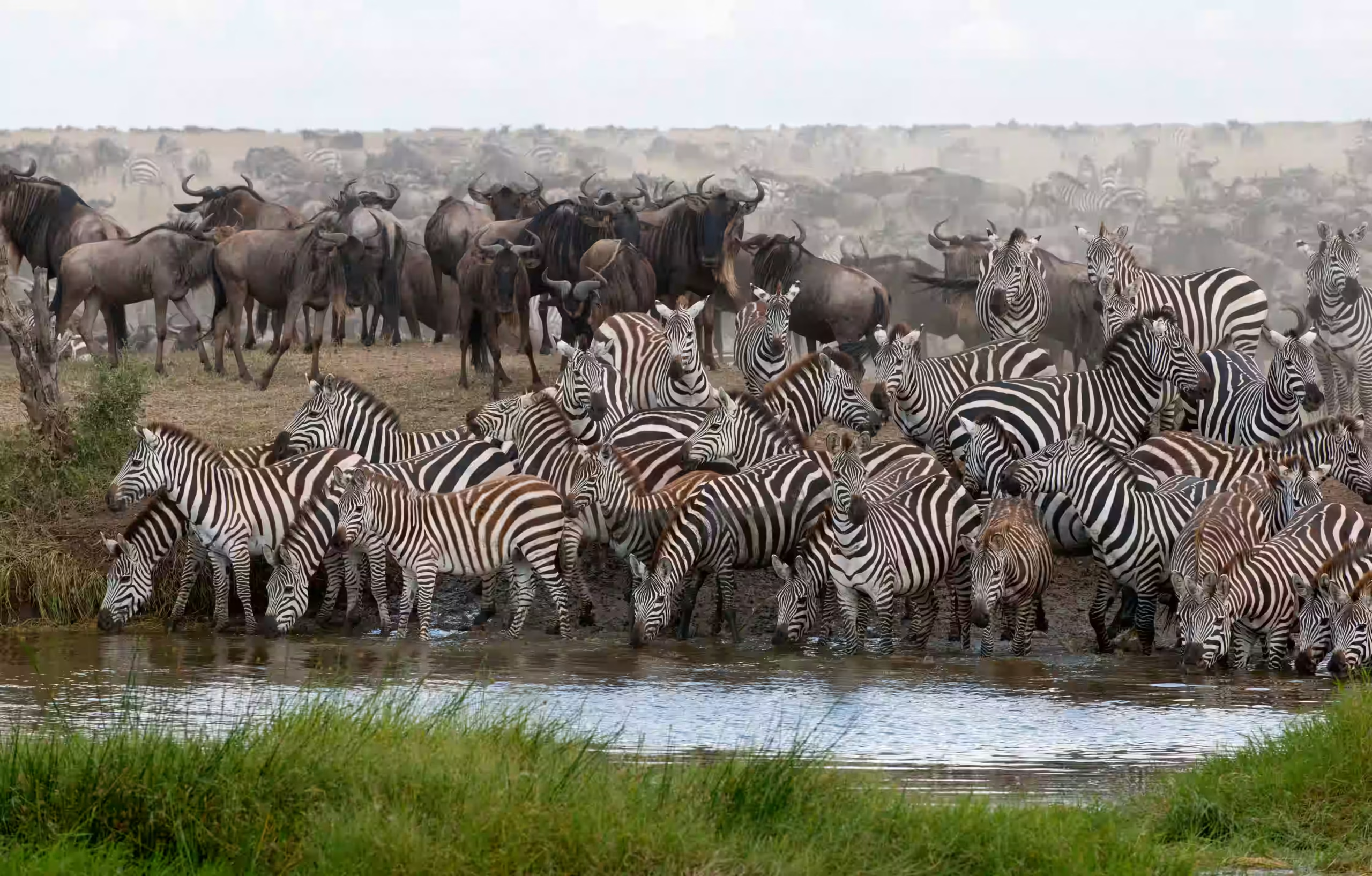
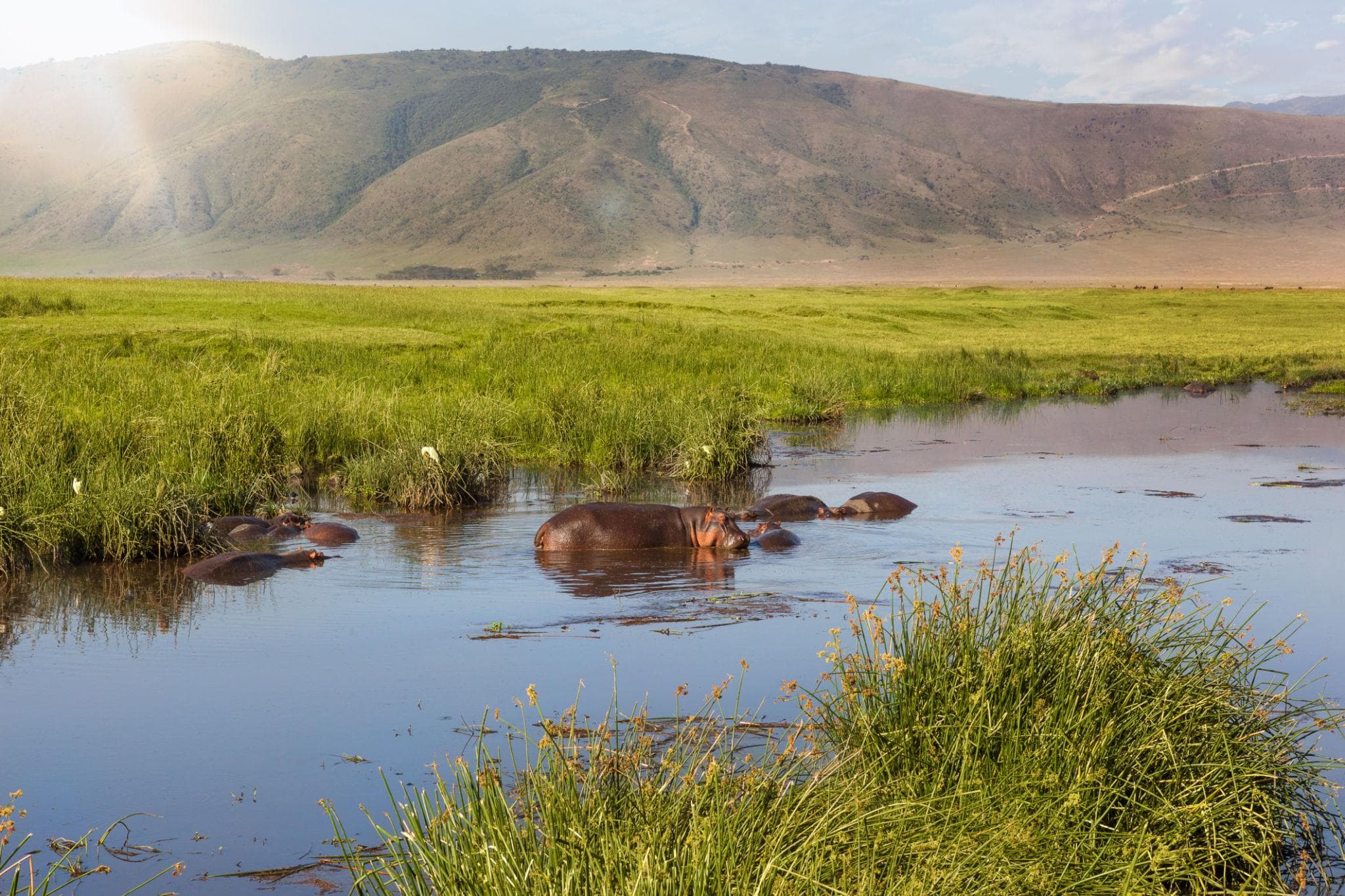
On the crater floor you move between distinct habitats in minutes: open plains grazed by wildebeest and zebra; the reeds and shallows of Lake Magadi, washed pink with flamingos; the yellow-barked acacias of the Lerai Forest, where elephants and leopards shelter; and the Ngoitokitok springs, a favourite hippo pool and picnic spot. Every turn brings something new.
Because the crater is a caldera, its wildlife is unusually easy to find and to watch — there is no vast wilderness for animals to disappear into, and the open floor means sightings are frequent and often prolonged. It is this reliability, combined with the sheer beauty of the setting, that makes a day on the crater floor one of the most rewarding in all of African safari.
Nowhere else in Tanzania offers a better chance of seeing the Big Five — lion, leopard, elephant, buffalo and rhino — in one day. The crater is famous for its big-maned lions, its old bull elephants with enormous tusks, and, above all, for being one of the last strongholds of the critically endangered black rhino.
Beyond the headline species you’ll find cheetah, hyena, jackal, hippo, thousands of flamingos and more than 500 species of bird. Because the wildlife is so concentrated and habituated to vehicles, viewing is superb and photography outstanding. Our guides know the crater’s rhythms intimately and position you for the very best sightings.
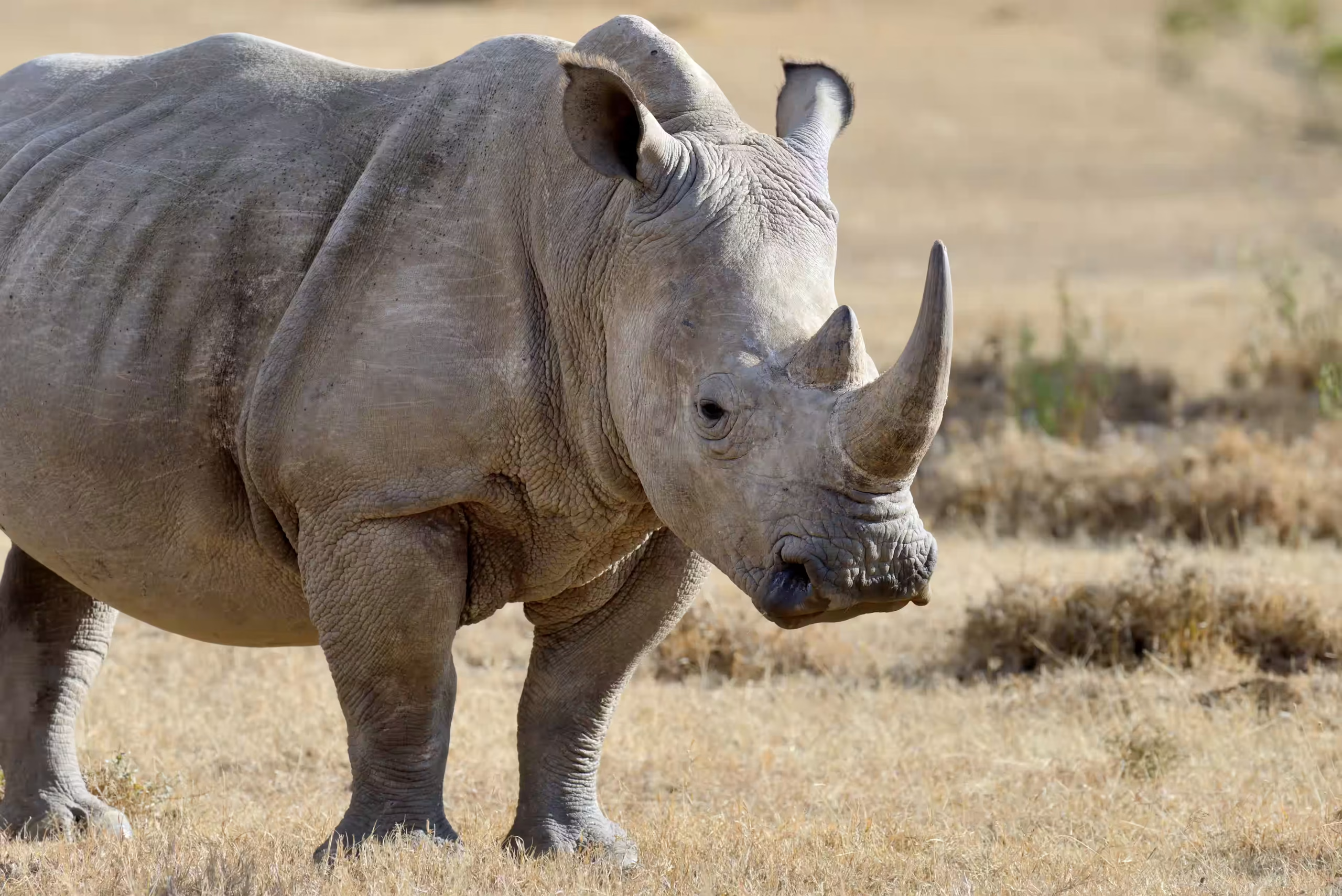
A crater visit is usually a full day, and pairs beautifully with the highlands and nearby attractions.
Descend to the floor for a full day among some of the densest wildlife in Africa — the highlight of any visit.
Enquire →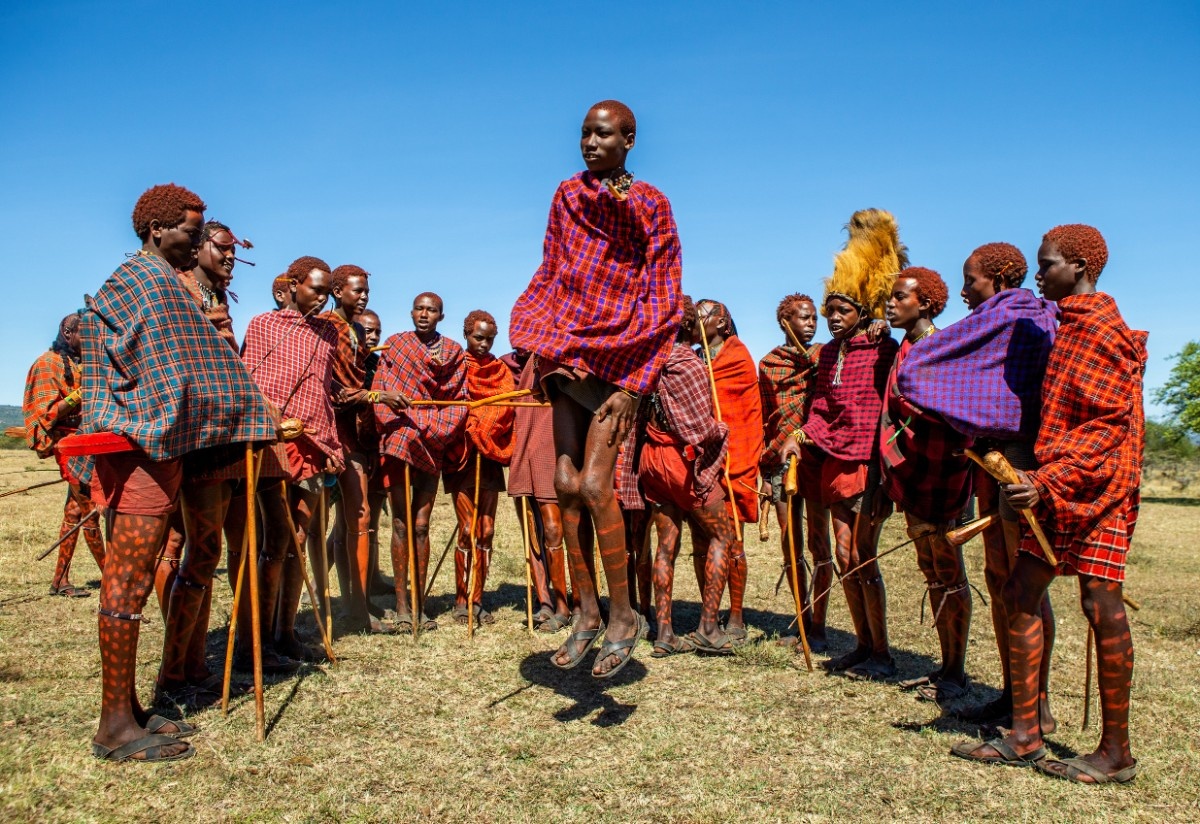
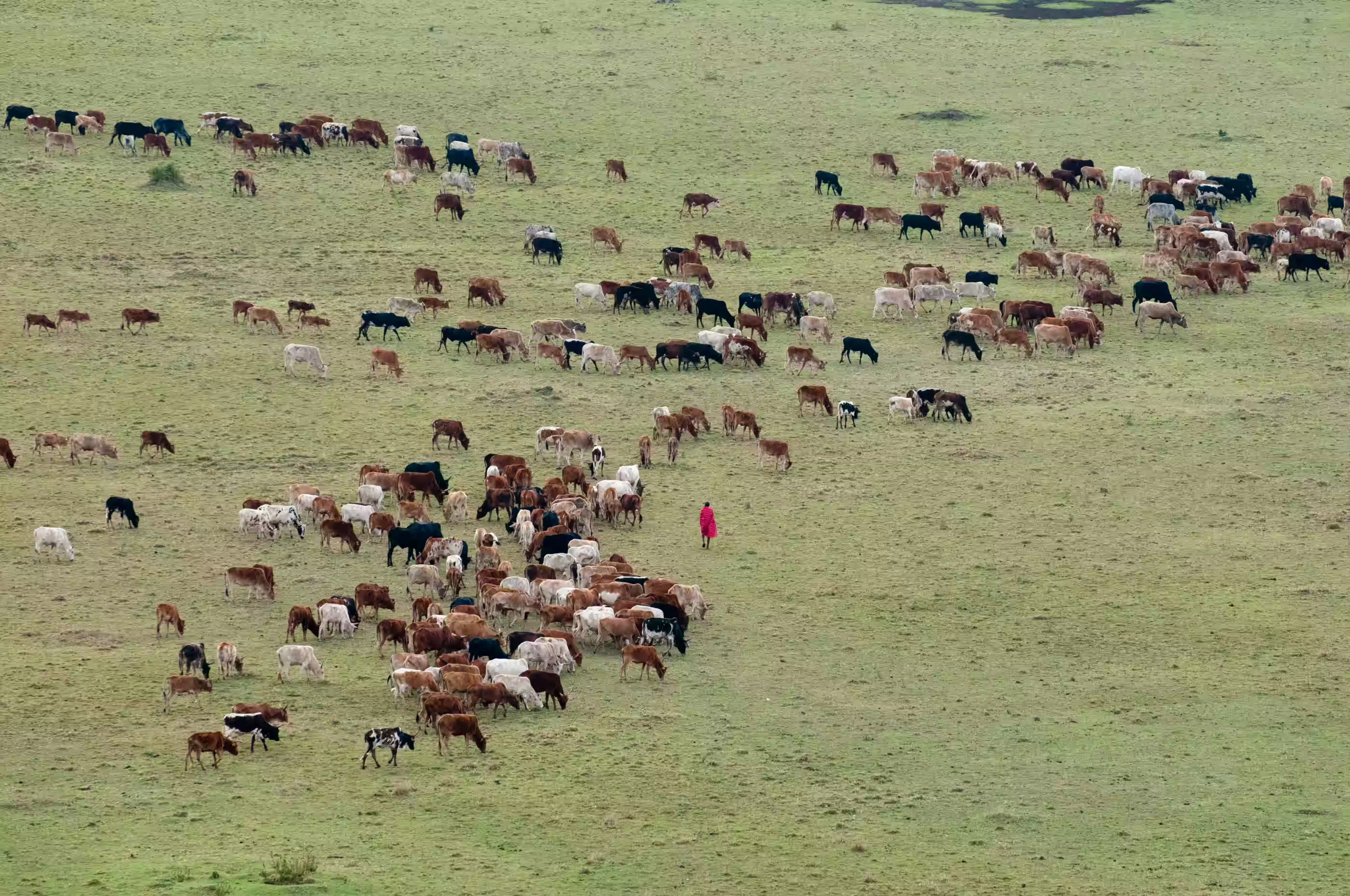
Meet the Maasai who share these highlands, arranged directly with the community for a genuine encounter.
Enquire →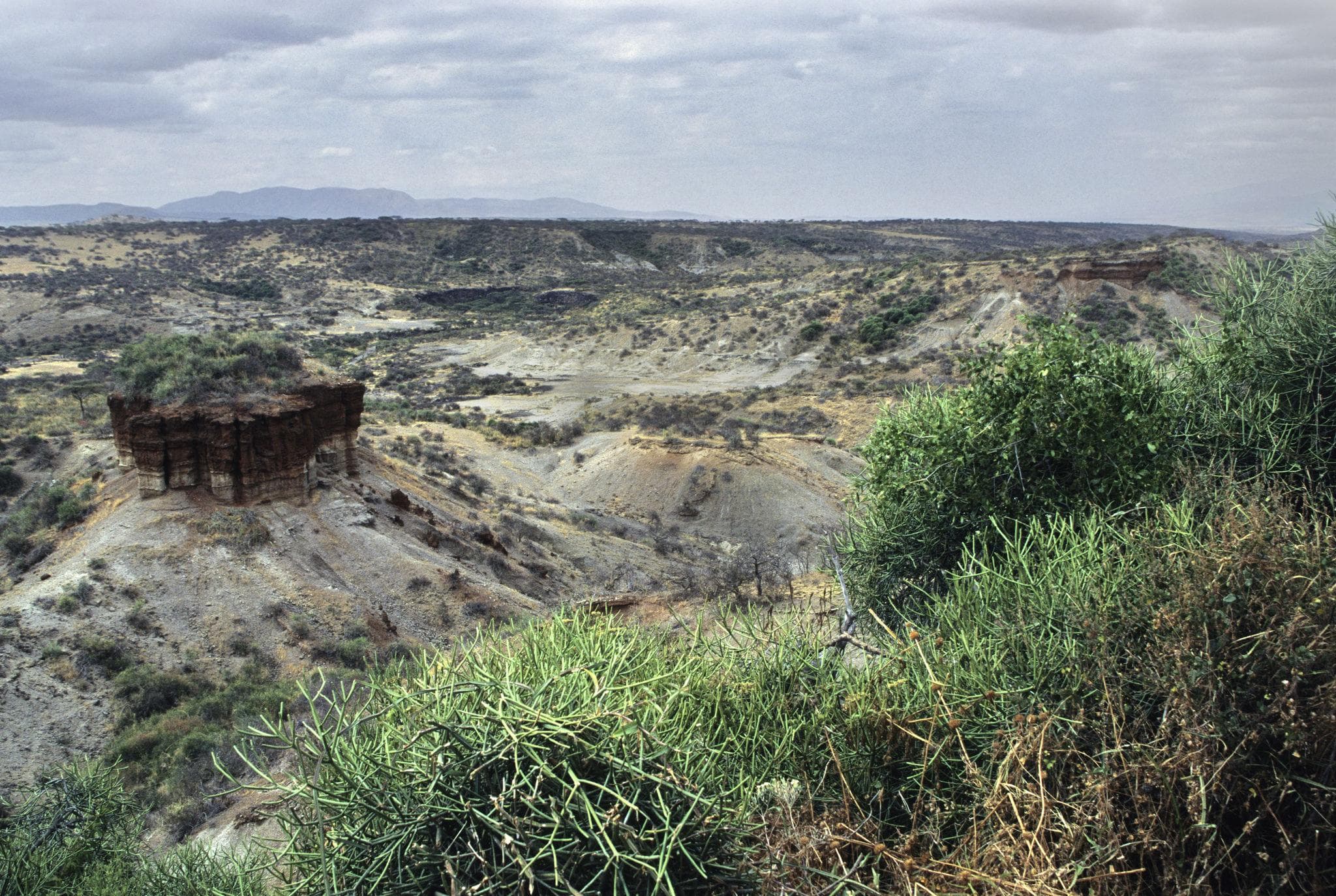
Visit the Cradle of Mankind, where some of the earliest human remains on Earth were unearthed.
Enquire →
Trek the quieter Empakaai and Olmoti craters for waterfalls, birdlife and sweeping views.
Enquire →
Long before you reach the floor, the crater rim delivers one of the most breathtaking views in Africa — the entire caldera laid out beneath you, its lake glinting, its herds like scattered specks on the vast green floor two thousand feet below. Sunrise from the rim, with cloud spilling over the walls, is pure magic, and the lodges perched along the edge make the most of it.
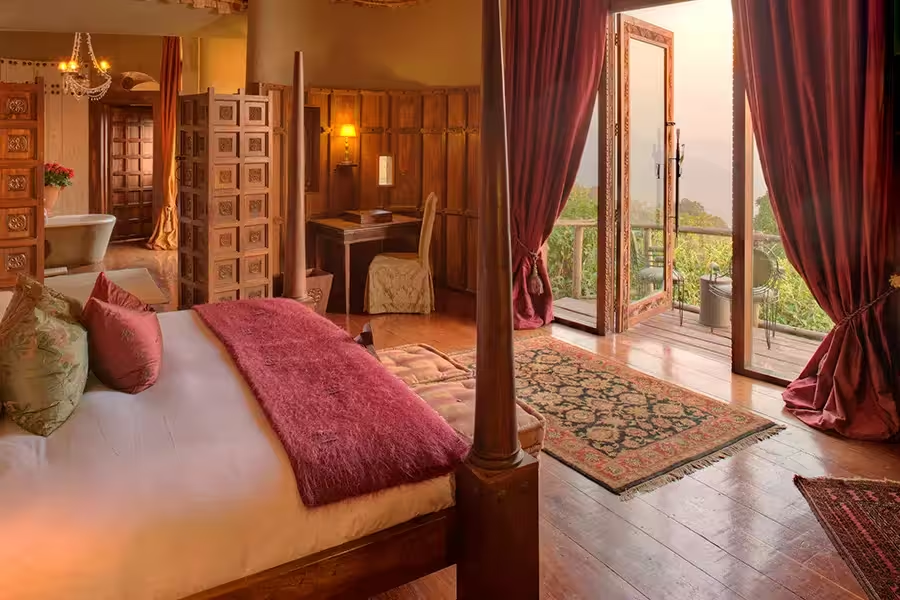
Start PlanningAccommodation for a crater visit is mostly perched along the rim, offering jaw-dropping views straight down into the caldera and easy early access to the floor. Options range from comfortable, characterful lodges to some of the most spectacular luxury properties in Africa, their lounges and rooms angled to capture that unforgettable view.
Because the rim sits at over 2,300 metres, evenings are cool and often misty & mdash; a fireside and a warm bed feel especially welcome here. We match you to the right lodge for your style and budget, and plan your descent for the quietest, most rewarding times on the crater floor.
The crater is reached by road as part of the northern circuit, an easy and scenic drive from Arusha, Lake Manyara or Tarangire, and it connects directly onward to the Serengeti. We arrange every transfer and time your arrival and crater descent for the quietest, most rewarding moments — so all you have to do is take in the view.