wondernest travel

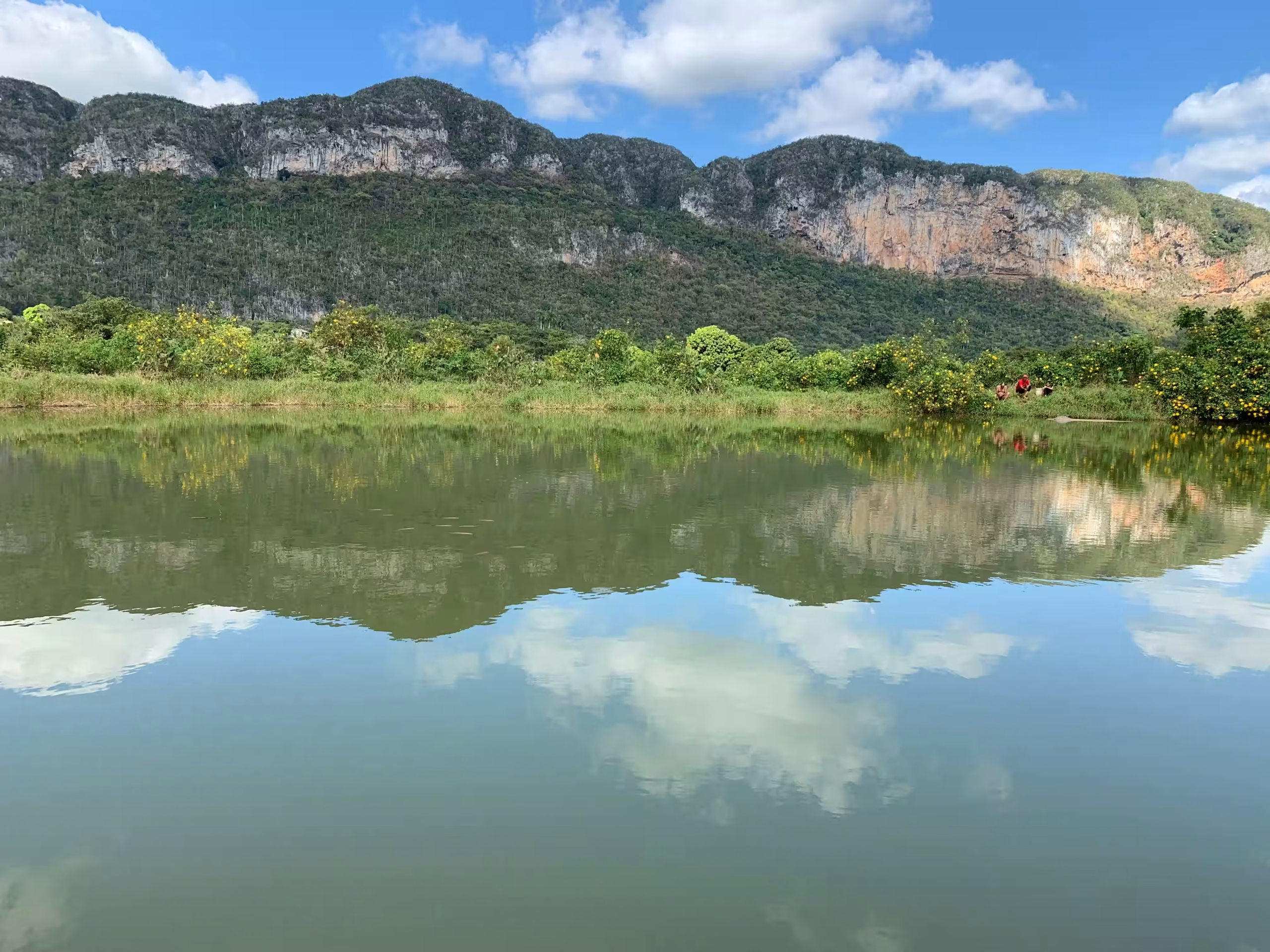
Forested Mahale Mountains rising above the sapphire shore of Lake Tanganyika — 2400×1400
Western Tanzania · Mahale Mountains National Park

Mahale Mountains

Track wild chimpanzees through forested slopes that tumble to the sapphire shores of Lake Tanganyika. Utterly remote and achingly beautiful, Mahale is one of Africa’s last great wildernesses — and a true bucket-list adventure.

IA World Apart

Where the Mountains Meet the Lake

In the far west of Tanzania, on the remote eastern shore of Lake Tanganyika, lies one of the most extraordinary and beautiful national parks in all of Africa. The Mahale Mountains rise steeply and dramatically from the water, their forested slopes cloaked in dense jungle and crowned with peaks nearly two and a half kilometres high, tumbling down to beaches of white sand lapped by the clear, sapphire waters of the world’s second-deepest lake.

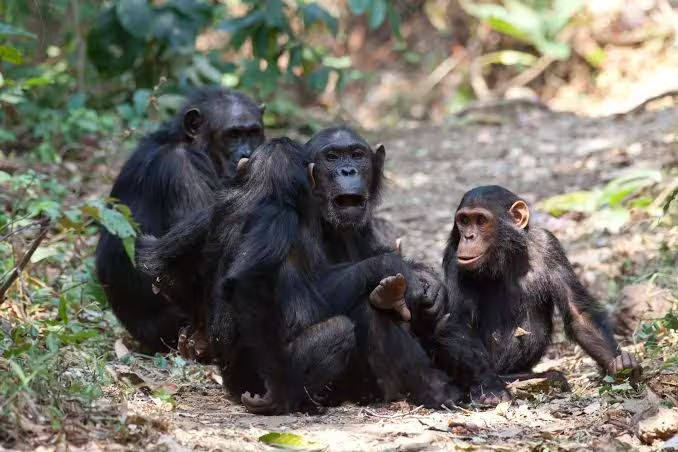
Mahale is accessible only by light aircraft and boat — there are no roads — and that profound remoteness is central to its magic. But travellers make the journey for one reason above all: the chance to track and spend time with some of the last remaining wild chimpanzees on Earth. The forests of Mahale are home to around a thousand of them, including a large habituated community that has been studied for decades and can be visited on foot.

To sit quietly in the forest, just metres from a family of wild chimpanzees going about their day, is one of the most moving wildlife encounters imaginable. Combine that with the beauty of the lake, and Mahale is a once-in-a-lifetime destination like no other — the ultimate wild, romantic and adventurous finale.

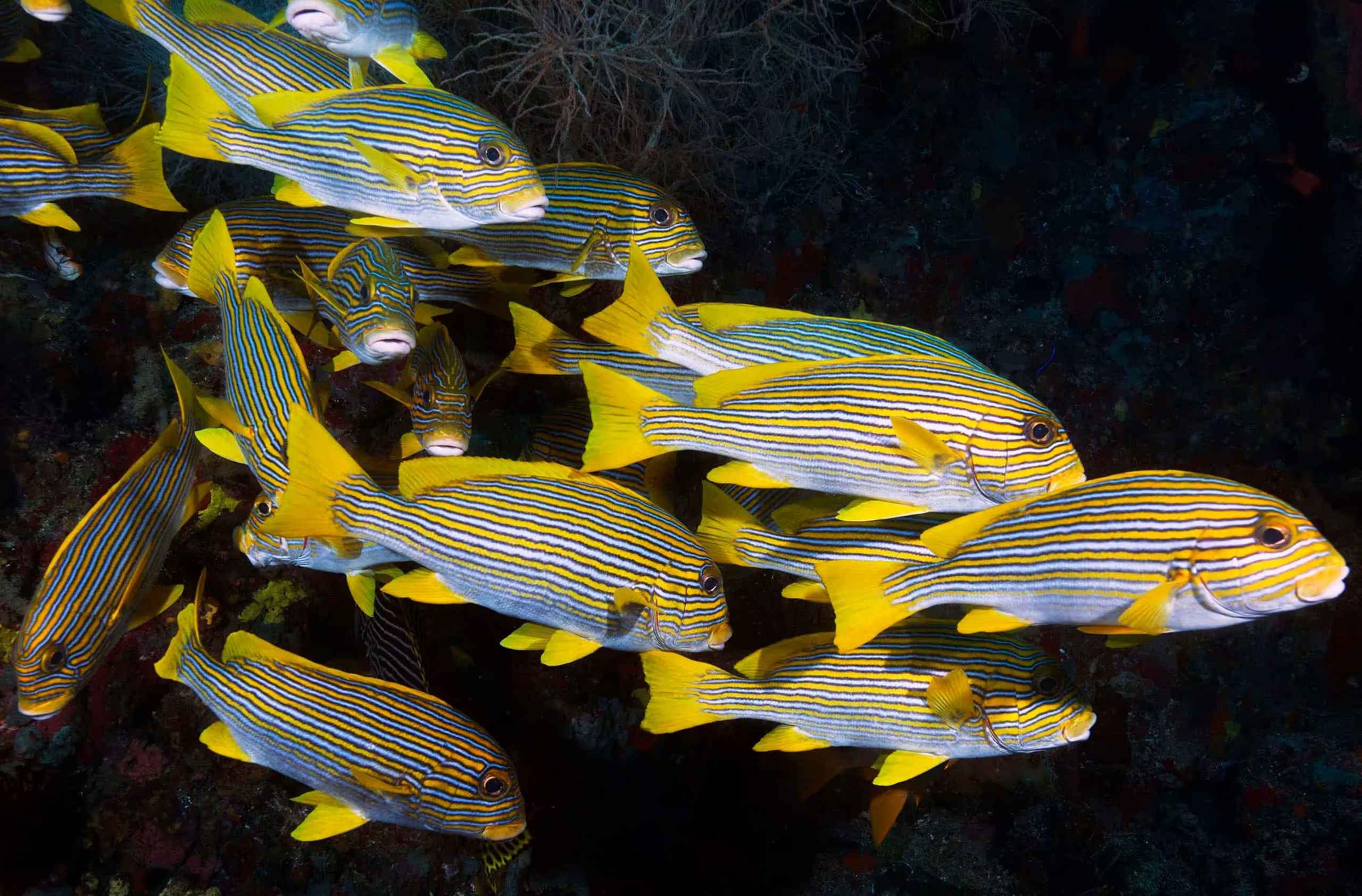
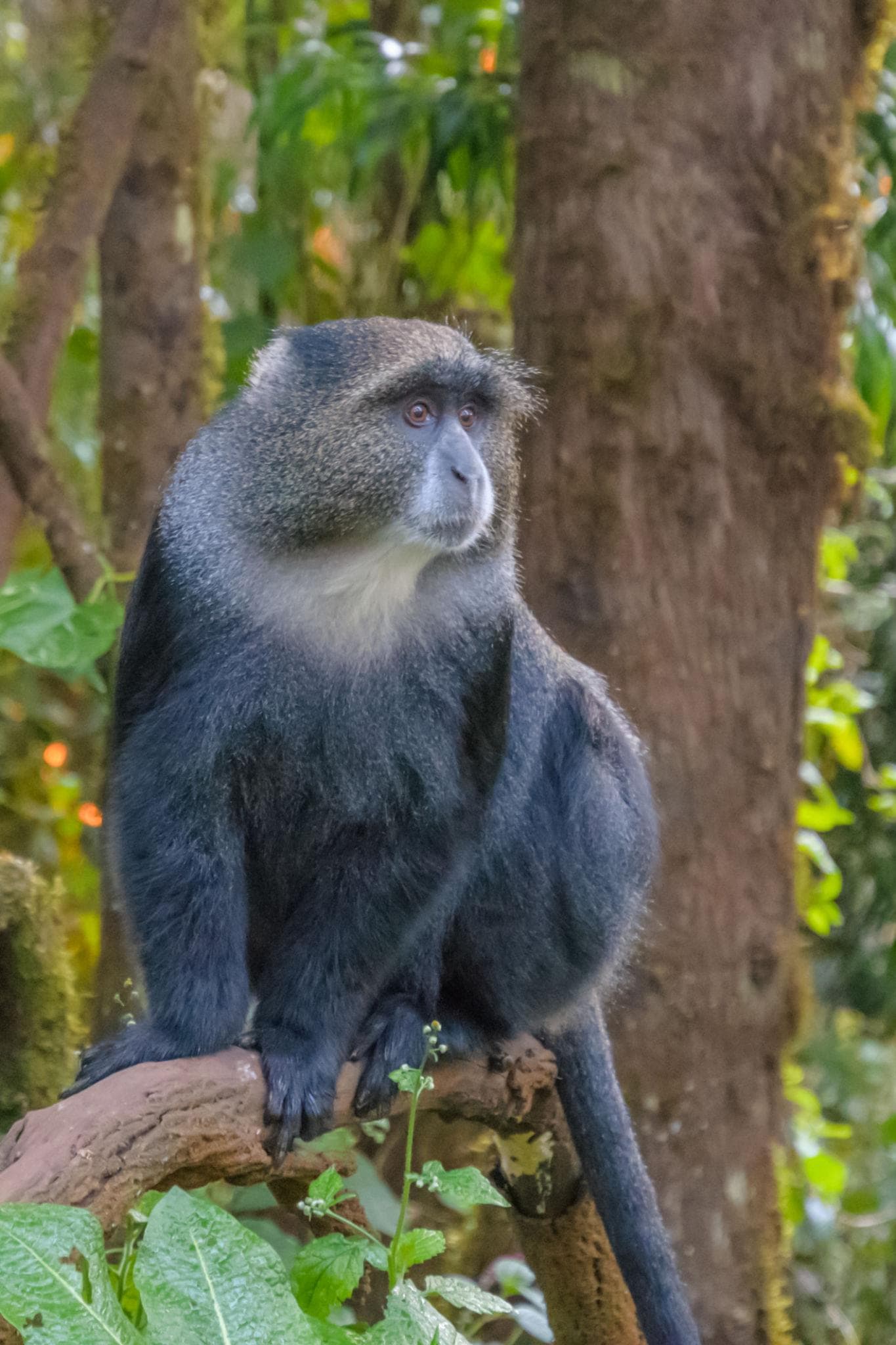
Beyond the chimpanzees, the forests and mountains shelter other primates — red colobus, blue and red-tailed monkeys, yellow baboons — along with a rich variety of forest birds and butterflies, while the lake itself teems with hundreds of species of jewel-like cichlid fish found nowhere else on Earth. Mahale is, quite simply, one of the most biodiverse and beautiful corners of the continent.

Wild chimpanzee in the forest of the Mahale Mountains
Wild chimpanzee in the forest of the Mahale Mountains — 1000×750
The Chimpanzees

Tracking Our Closest Cousins

The heart of any Mahale safari is chimpanzee trekking. Setting out on foot with expert trackers, you climb into the forest in search of the habituated community — a hike that can be short or strenuous depending on where the chimps have roamed. Then comes the reward: time spent quietly observing a family of wild chimpanzees feeding, grooming, playing and squabbling, often just a few metres away.

It is impossible to overstate how powerful this encounter is. To watch these intelligent, expressive animals — so strikingly like ourselves — interact in their natural forest home is deeply moving, and a privilege granted to very few. Sightings are excellent but never guaranteed, and the effort and remoteness only make the experience more special.

Best for: wild chimpanzee trekking  ·  When: May–Oct (dry)
Lake Tanganyika

A Sapphire Sea in the Forest

Beyond the chimps, Mahale is blessed with one of the most beautiful settings in Africa: Lake Tanganyika, the longest freshwater lake in the world and second only to Baikal in depth, its water so clear you can see the colourful cichlid fish darting among the rocks. After a morning’s trekking, the lake beckons.

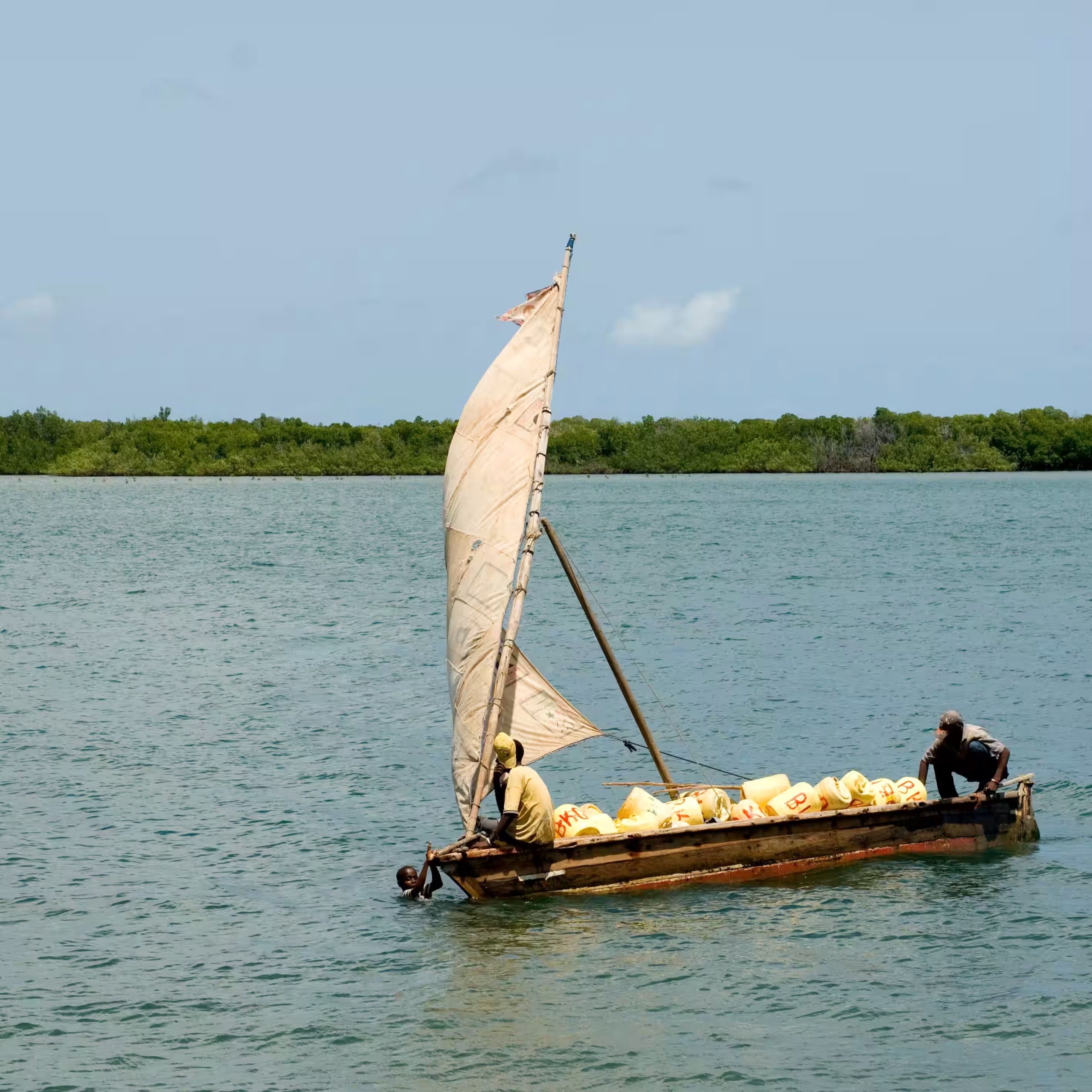
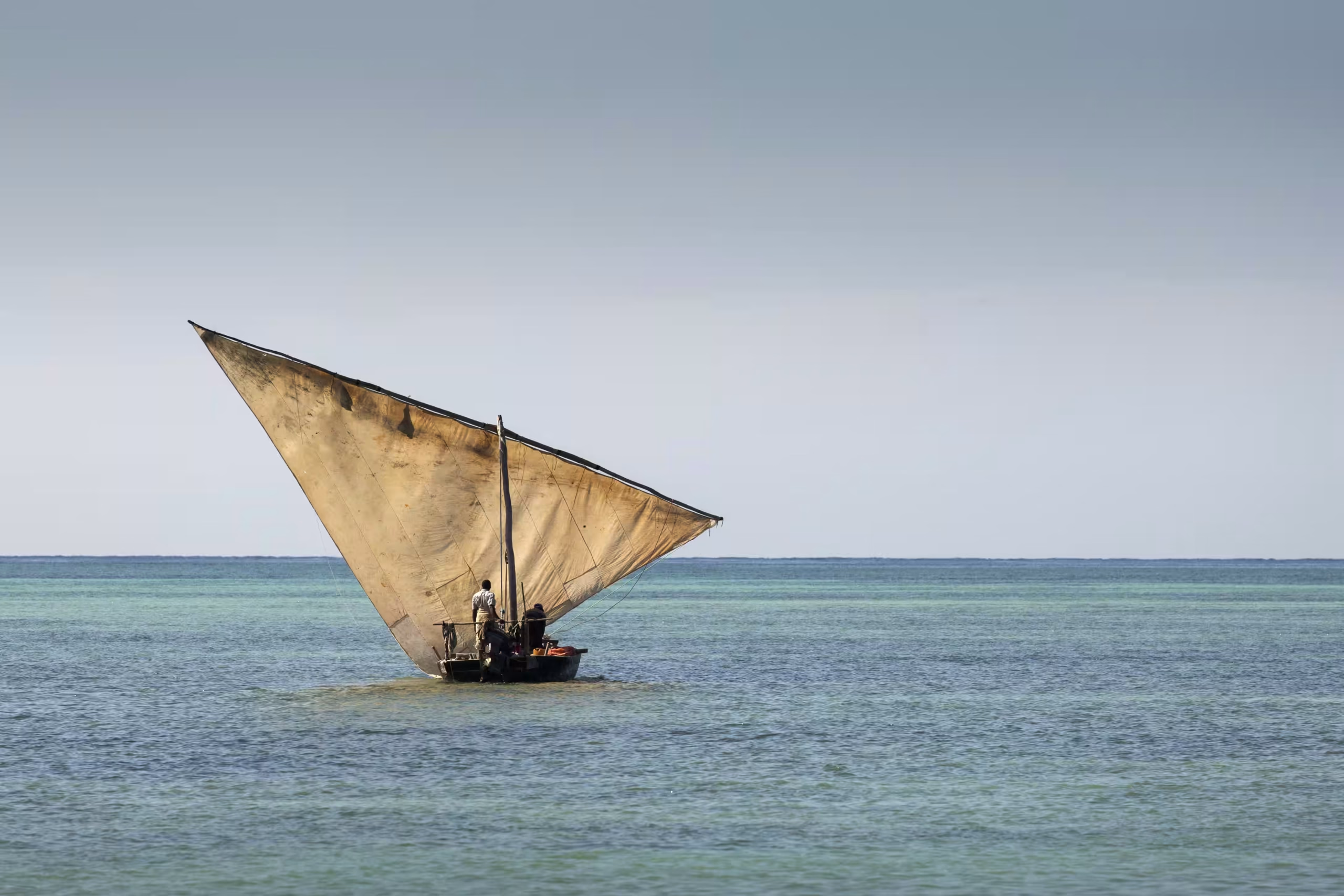
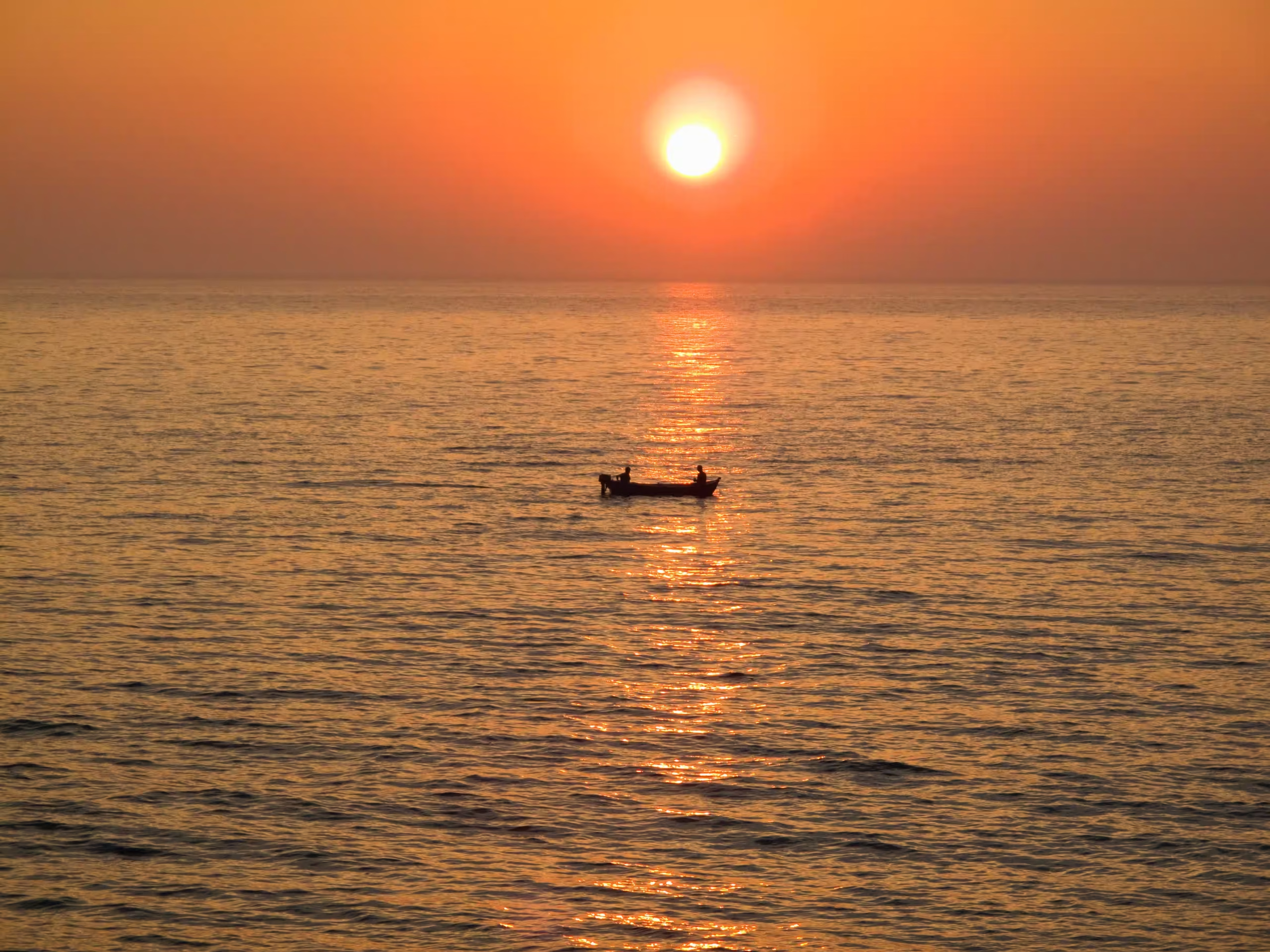
Days here drift by in the most idyllic way — snorkelling over the rocks, kayaking along the forested shore, sailing on a traditional dhow, or simply relaxing on a white-sand beach with jungle behind and sapphire water in front. The sunsets over the lake, with the mountains of the Congo faint on the far horizon, are among the most beautiful you will ever see.

Snorkelling, kayaking & beaches  ·  forest meets crystal water
White-sand beach and clear water on the shore of Lake Tanganyika
White-sand beach and clear water on the shore of Lake Tanganyika — 1000×750
IIWhen to Go

The Best Time to Visit Mahale

Mahale is best visited in the dry season, from May to October. During these months the forest trails are firmer and easier to walk, and — crucially — the chimpanzees tend to range lower down the mountain slopes, making them easier and quicker to reach on foot. This is the prime window for chimp trekking, and when most of the camps are open.

The wet season brings lush, green forest and dramatic skies, but heavy rain can make the steep trails slippery and the chimps may climb higher, lengthening treks; many camps also close during the wettest months. For the best combination of good trekking conditions, chimp accessibility and glorious lake weather, the dry season is the clear choice — and worth planning well ahead, as Mahale’s few camps book up early.

IIIThings to Do

Ways to Experience Mahale

Mahale blends thrilling forest adventure with pure lakeside relaxation — a rare and wonderful combination.

Trackers and guests trekking in the Mahale forest

Chimpanzee Trekking

Hike into the forest with expert trackers to spend unforgettable time with wild chimpanzees.

Enquire →
Snorkeller over colourful cichlid fish in clear water

Snorkelling

Explore the crystal-clear waters of Lake Tanganyika, home to hundreds of colourful cichlid fish.

Enquire →
Kayaks on the calm forested shore of the lake

Kayaking & Dhow Sailing

Paddle or sail along the beautiful forested shoreline of the lake, jungle rising on one side.

Enquire →
Guide leading a walk through the montane forest

Forest & Beach Walks

Discover the birds, butterflies and beauty of the forest and shore on gentle guided walks.

Enquire →
Sunset over Lake Tanganyika with the Mahale Mountains in silhouette
Sunset over Lake Tanganyika with the Mahale Mountains in silhouette — 2400×1400
The Setting

One of Africa’s Last Wildernesses

There are few places left on Earth as wild, remote and beautiful as Mahale. With no roads, no crowds and no signal — just forest, mountains and the endless sapphire lake — it offers a profound sense of escape that is almost impossible to find elsewhere. To trek for chimpanzees by morning and swim in Lake Tanganyika by afternoon is a privilege reserved for the fortunate few. Those who make the journey invariably describe it as one of the most extraordinary experiences of their lives — a place that stays with you forever.

Start Planning
Where to Stay

Barefoot Luxury on the Shore

Mahale’s handful of camps are as remote and special as the park itself — intimate, characterful retreats set right on the white-sand shore of Lake Tanganyika, beneath the towering forest. From beautifully rustic to genuinely barefoot-luxurious, they offer a wonderfully immersive way to experience this wilderness, with the lake as your front garden.

Because access is by air and boat and the camps are few, Mahale is an exclusive destination that rewards planning ahead. Numbers are tiny, the atmosphere is romantic and adventurous, and every camp offers chimp trekking and lake activities. We know these camps and their logistics intimately, and handle the intricate flights and transfers to get you there seamlessly.

Reaching Mahale is an adventure in itself — a light-aircraft flight into the remote west followed by a boat transfer along the lake — and we handle every intricate step. Because access and camps are limited, it rewards planning well ahead, and it makes an extraordinary, once-in-a-lifetime addition to a wider Tanzania trip, which we arrange around it seamlessly.

Intimate lakeside camps  ·  rustic to barefoot-luxury, book early
Barefoot-luxury camp on the beach beneath the Mahale forest
Barefoot-luxury camp on the beach beneath the Mahale forest — 1000×750
IVGallery

Mahale in Pictures

“Sitting an arm’s length from a wild chimpanzee in that ancient forest, then swimming in the lake at sunset — Mahale was the most extraordinary place we have ever been.”

Isabelle & Marc D., France
VGood to Know

Mahale FAQ

Yes, though Mahale is remote and reached separately by air. It makes an extraordinary, adventurous addition to a wider Tanzania trip — we handle the intricate logistics to combine it seamlessly with the parks or coast.

Mahale is remote and accessible only by light aircraft followed by a boat transfer along the lake — there are no roads. We arrange the intricate flights and transfers and coordinate every step; it is well worth the journey.

Sightings of the habituated chimpanzee community are excellent, though as with all wild animals never fully guaranteed. Treks vary in length depending on where the chimps have roamed, and expert trackers greatly improve your chances.

The dry season, May to October, is best — the trails are firmer and the chimps tend to range lower down, making them easier to reach. Mahale’s few camps book up early, so plan well ahead.

A reasonable level of fitness helps, as treks can involve steep, uneven forest terrain and can occasionally be long. That said, the pace is set by the group and the trackers, and the reward is more than worth the effort.

Begin the Journey

Ready for the Adventure of Mahale?

Tell us you're up for something special and we'll plan a once-in-a-lifetime trip to track wild chimpanzees on the shores of Lake Tanganyika.

Loading itinerary…
Saved Trips