Safari vehicle in the groundwater forest of Lake Manyara
Game Drives
Explore forest, plains and lakeshore in one compact, richly rewarding drive full of variety.
Enquire →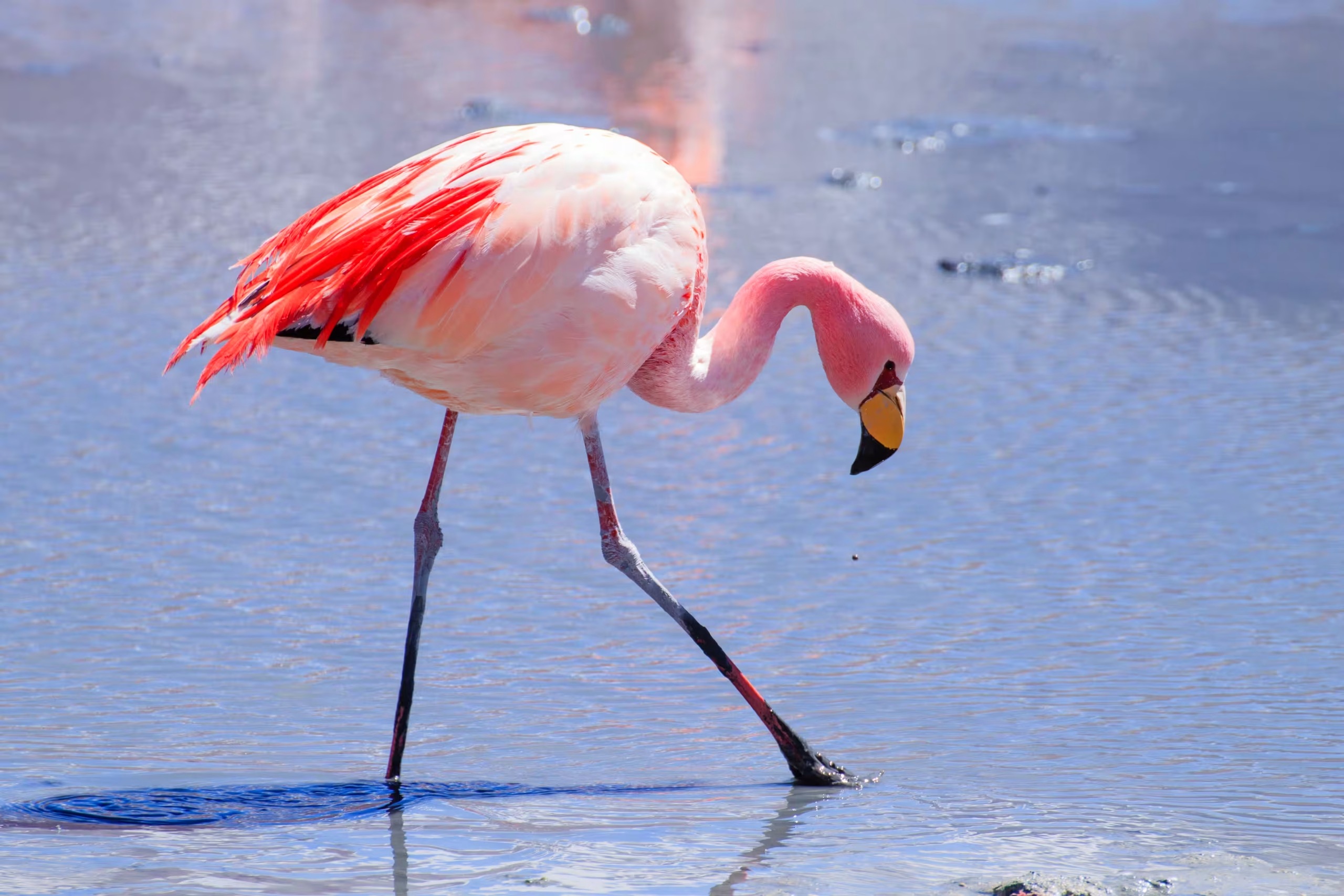
Compact, lush and astonishingly varied — groundwater forest, open plains and a vast soda lake beneath the dramatic wall of the Great Rift Valley. Famous for tree-climbing lions, flamingos and some of the finest birding in Tanzania.

Lake Manyara is celebrated for one of Africa’s more unusual sights: tree-climbing lions. While lions everywhere occasionally climb, Manyara’s prides are known for regularly lounging in the branches of acacia and sausage trees, draped along the boughs in the heat of the day.
Why they do it is still debated — escaping biting insects, catching a cooling breeze, or simply enjoying the view — but spotting a lion stretched out overhead is a special thrill and a photographer’s dream. Sightings are never guaranteed, but a patient guide who knows the park greatly improves your chances.
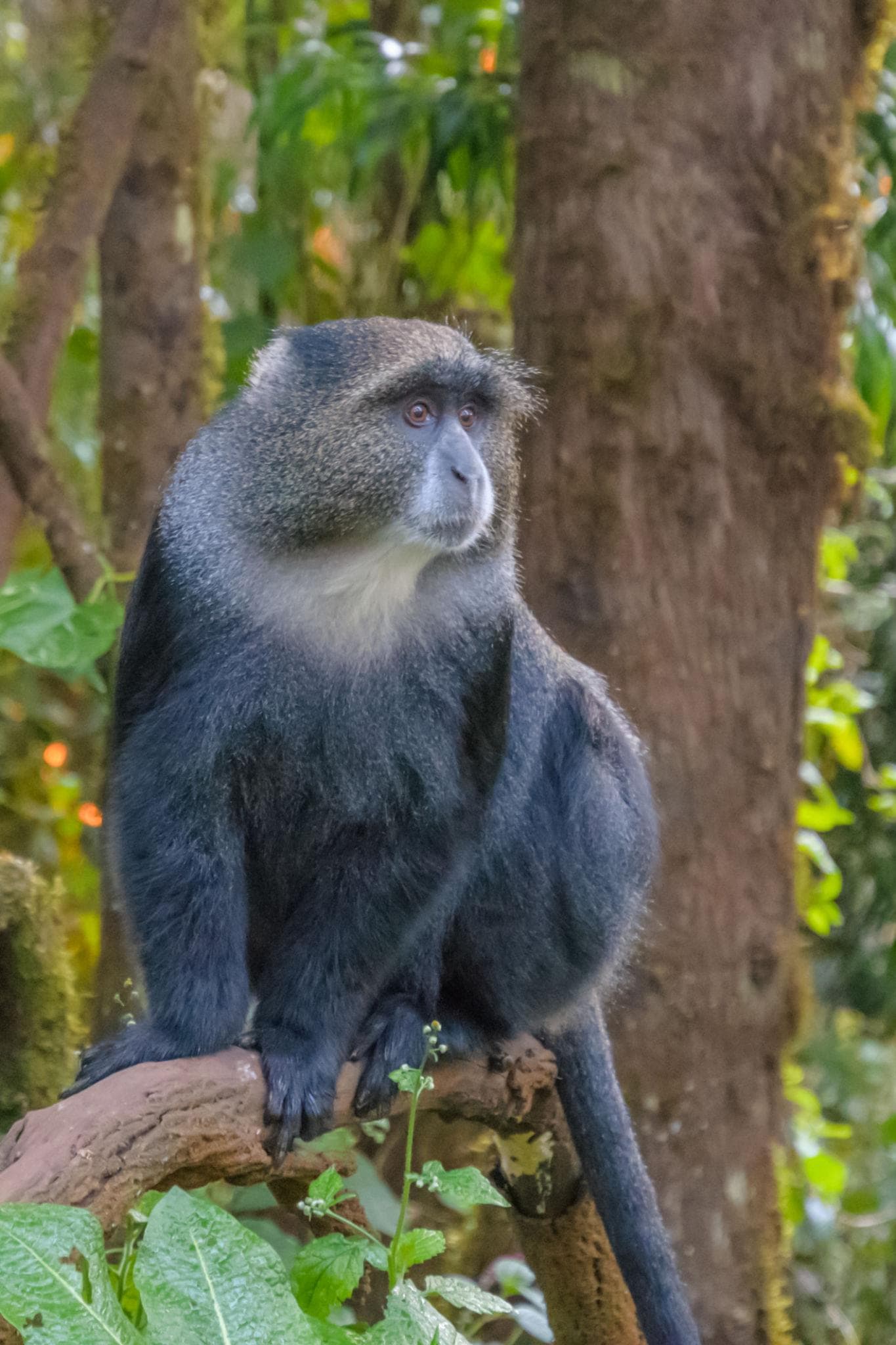
Beyond the celebrated lions, Manyara’s compact size means an unusually high chance of a rewarding day: large troops of baboons and blue monkeys in the forest, hippos wallowing in the pools, giraffe and buffalo on the plains, and elephants moving between the trees. Because everything is so close together, the variety of wildlife you can encounter in a single short visit is genuinely remarkable.
With more than 400 recorded species packed into its small area, Lake Manyara is one of the best and most accessible birding destinations in East Africa. The lake itself is the star: in the wet season it draws vast flocks of lesser flamingos, turning the shallows a shimmering pink, alongside great white pelicans, yellow-billed storks and countless waders.
The forest and woodland add their own riches — silvery-cheeked hornbills, crowned eagles, colourful barbets and more. Whether or not you consider yourself a birder, the sheer abundance and colour of birdlife here is captivating, and it makes every drive rewarding.
The spectacle peaks in the wet season, when the shallow lake swells and the flamingos gather in their greatest numbers, but there is wonderful birding here at any time of year. The forest, woodland and lakeshore each offer something different, making Manyara a place where every drive brings a new and often unexpected sighting.

Manyara offers more than game drives — its varied terrain lends itself to some wonderful extra experiences.
Explore forest, plains and lakeshore in one compact, richly rewarding drive full of variety.
Enquire →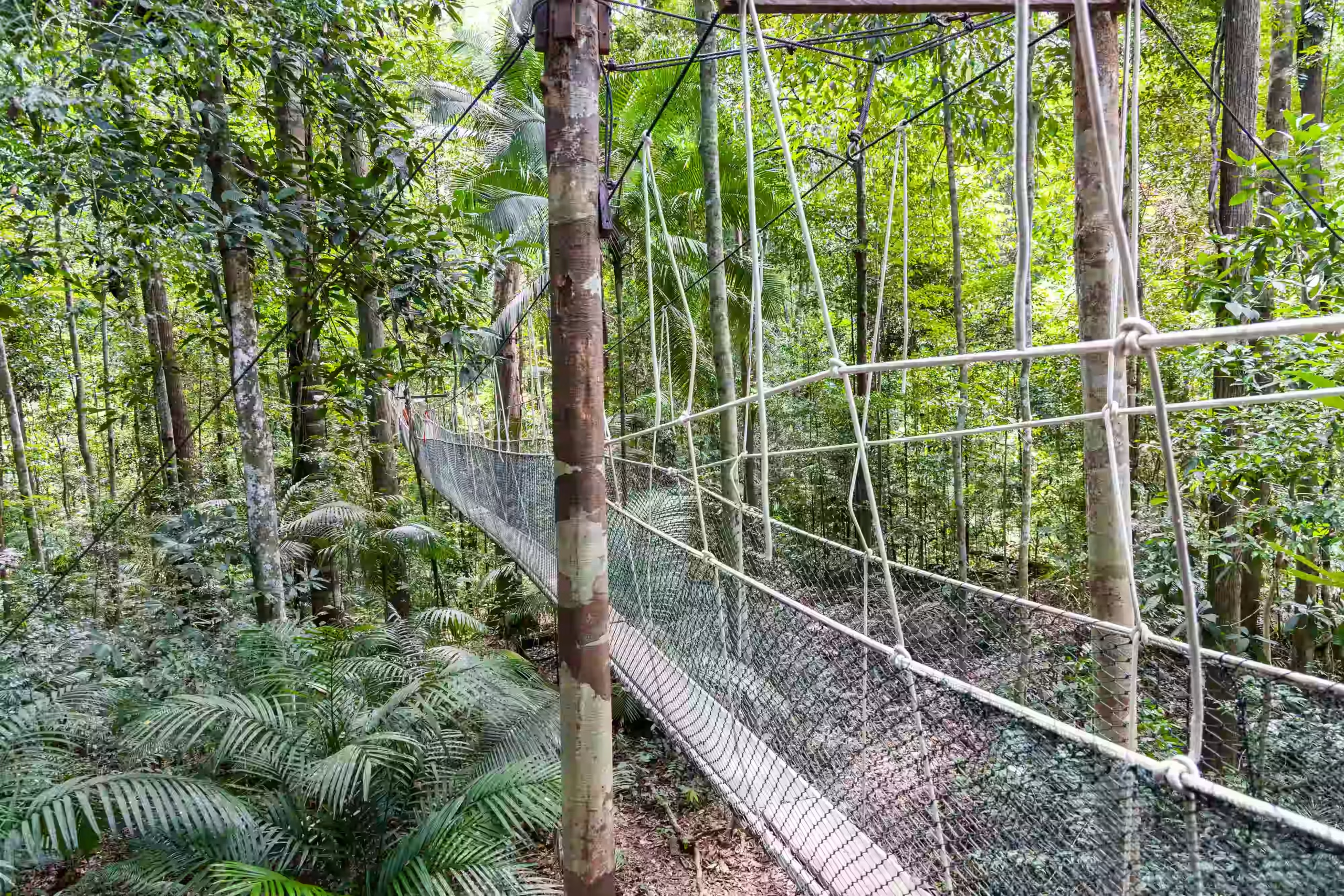
Stroll a suspended walkway high among the forest canopy for a bird’s-eye view of this lush world.
Enquire →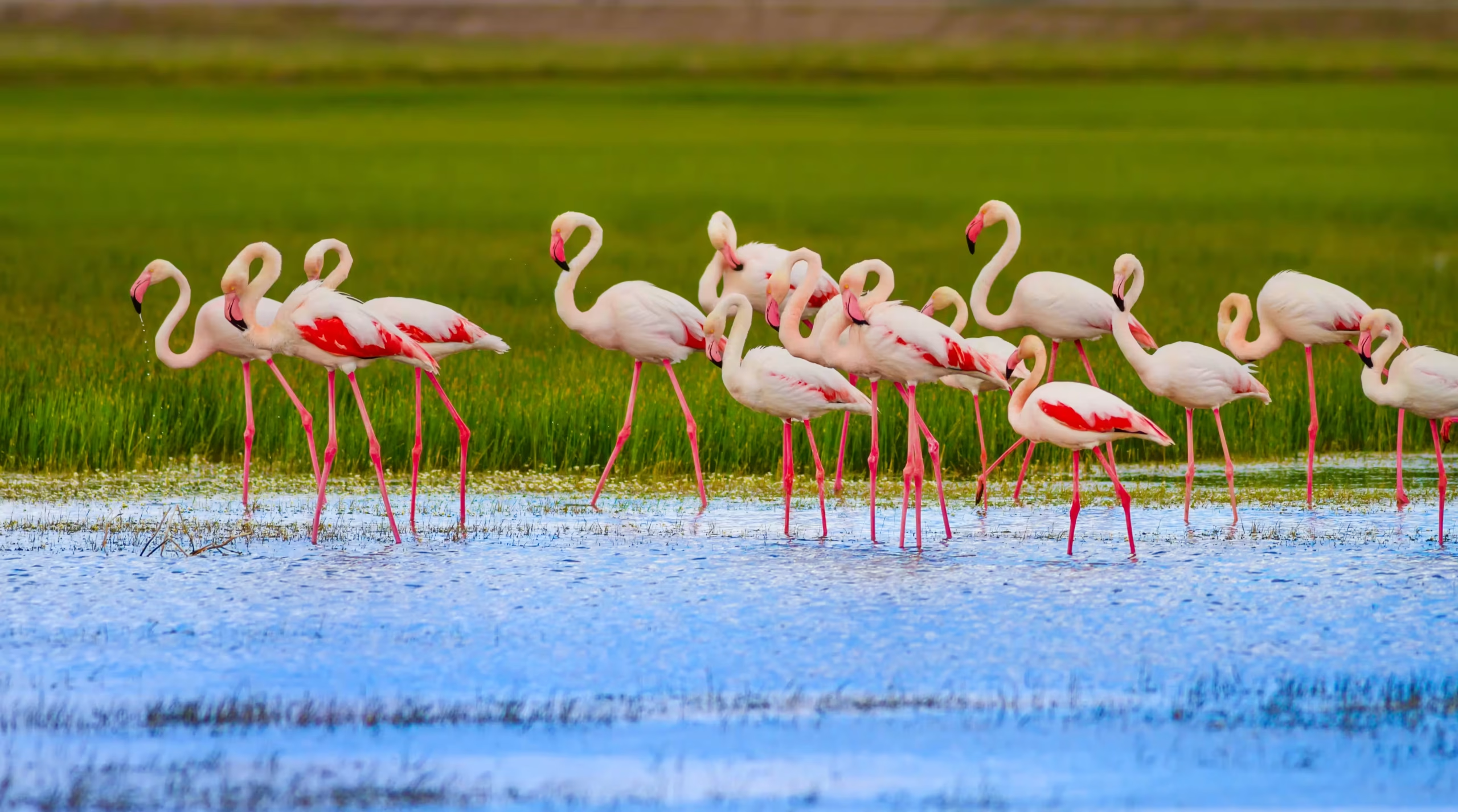
With flamingos, pelicans and 400+ species, Manyara is a paradise for birdwatchers of every level.
Enquire →
Visit the steaming Maji Moto hot springs at the southern end of the park, a curious natural highlight.
Enquire →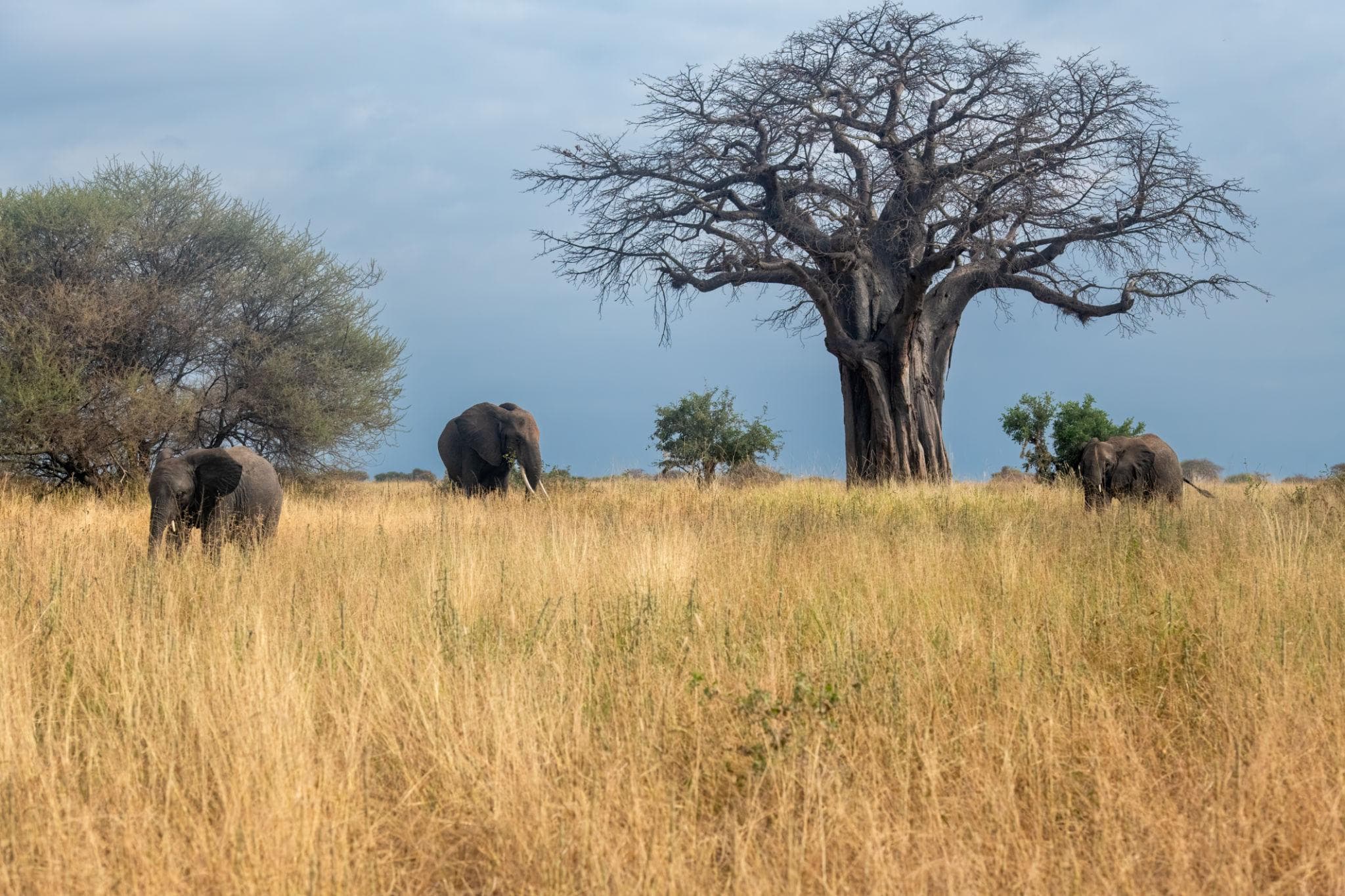
Towering over the park to the west is the sheer, forested wall of the Great Rift Valley escarpment, rising hundreds of metres above the lake and giving Manyara its dramatic, hemmed-in beauty. At sunset the whole landscape glows — the escarpment in shadow, the lake alight, and flamingos rising in pink clouds against the darkening cliffs. It is a scene of extraordinary drama and beauty, and one that lingers long in the memory — the perfect close to a day among Manyara’s forests, plains and shining lake.
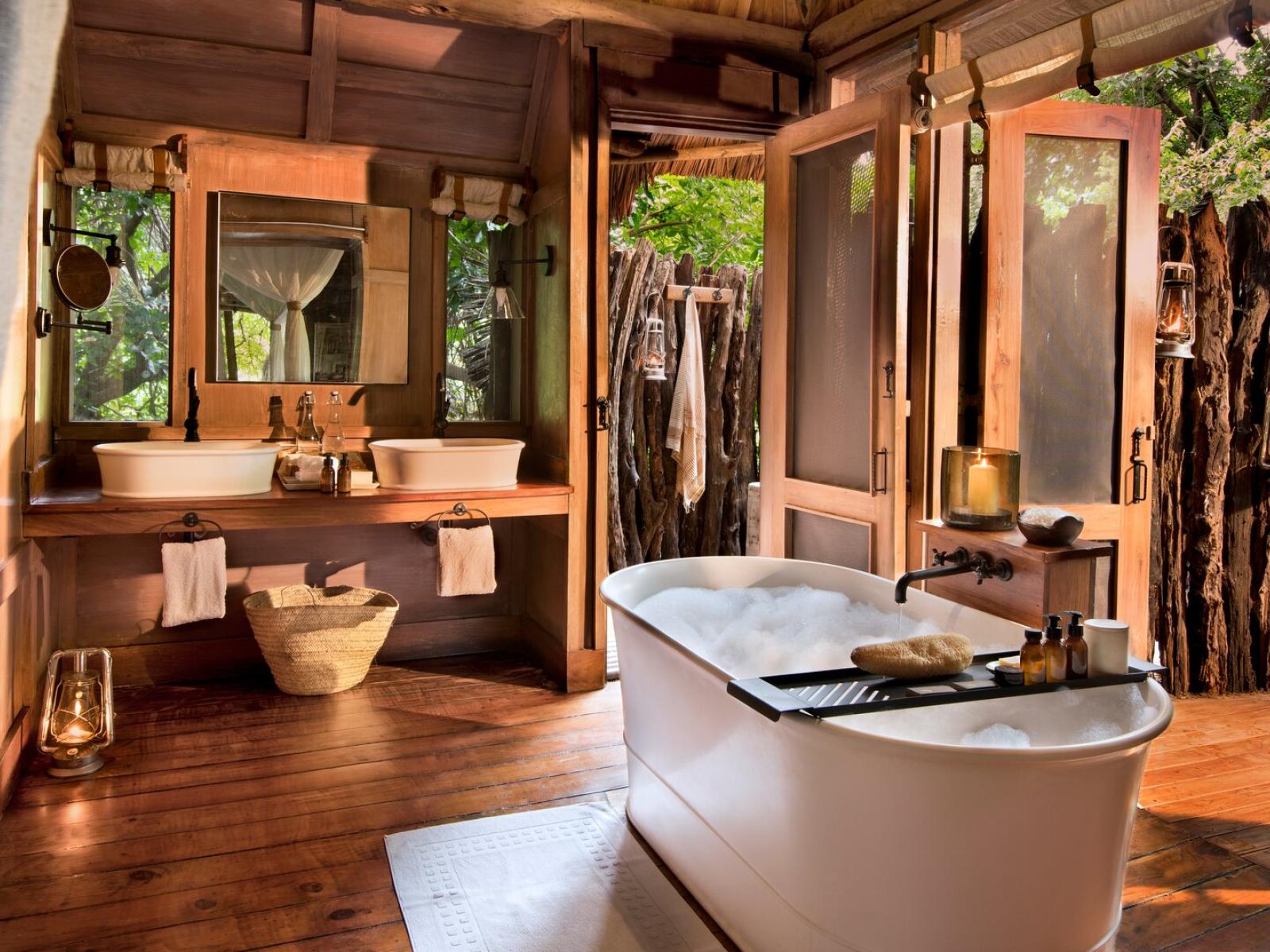
Start PlanningAccommodation around Lake Manyara ranges from comfortable lodges perched dramatically on the rim of the escarpment — with sweeping views over the lake and plains far below — to characterful tented camps and intimate luxury retreats tucked into the forest and farmland nearby.
Because Manyara is so close to Arusha and on the road to Ngorongoro, it is easy to include as a first or last stop with a night nearby, or to visit en route. We match you to a base that suits your journey, your style and your budget.
Manyara is an easy drive from Arusha and sits directly on the road to Ngorongoro and the Serengeti, so it slots effortlessly into a northern itinerary, whether as a gentle first taste of safari or a rewarding stop en route. We arrange all transfers and match the timing to make the most of the park’s forests, plains and lakeshore.