Maasai family outside their traditional homestead — 800×1000
Maasai Village Visit
A genuine welcome into a Maasai boma to share in a way of life woven into the land.
Enquire →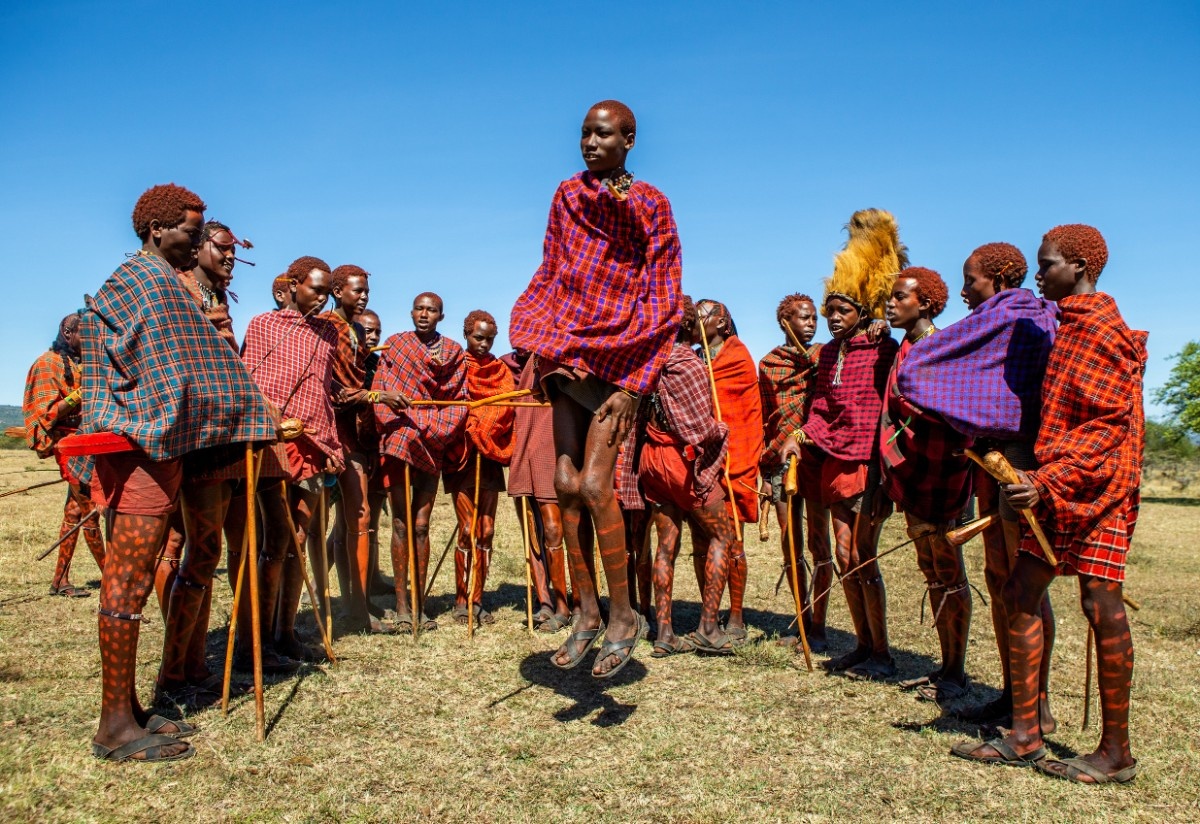
Tanzania’s wildlife is unforgettable — but so are its people. Meet the Maasai, spend a morning with the Hadzabe hunter-gatherers, and discover the rich, living cultures that make this land as human as it is wild.
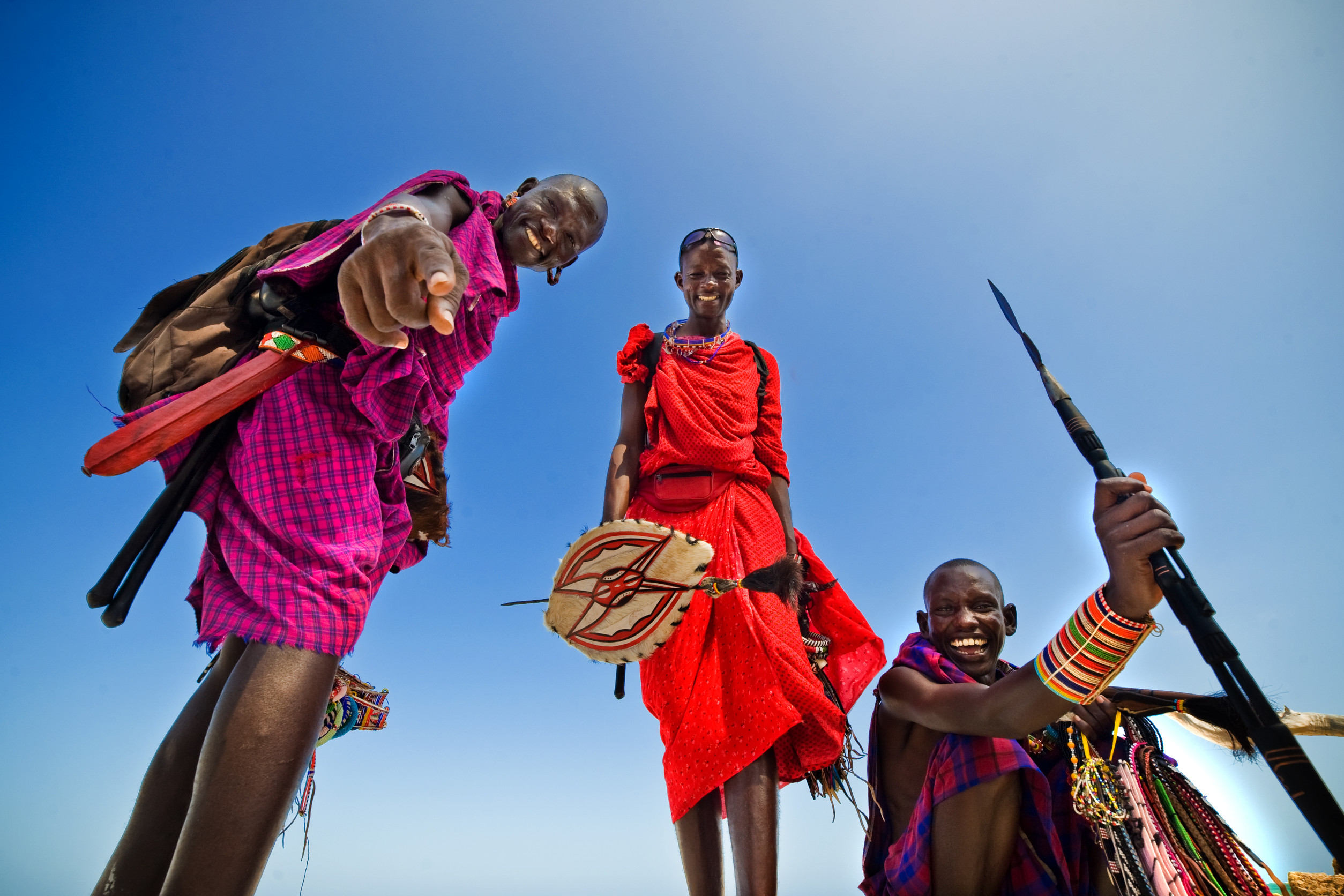
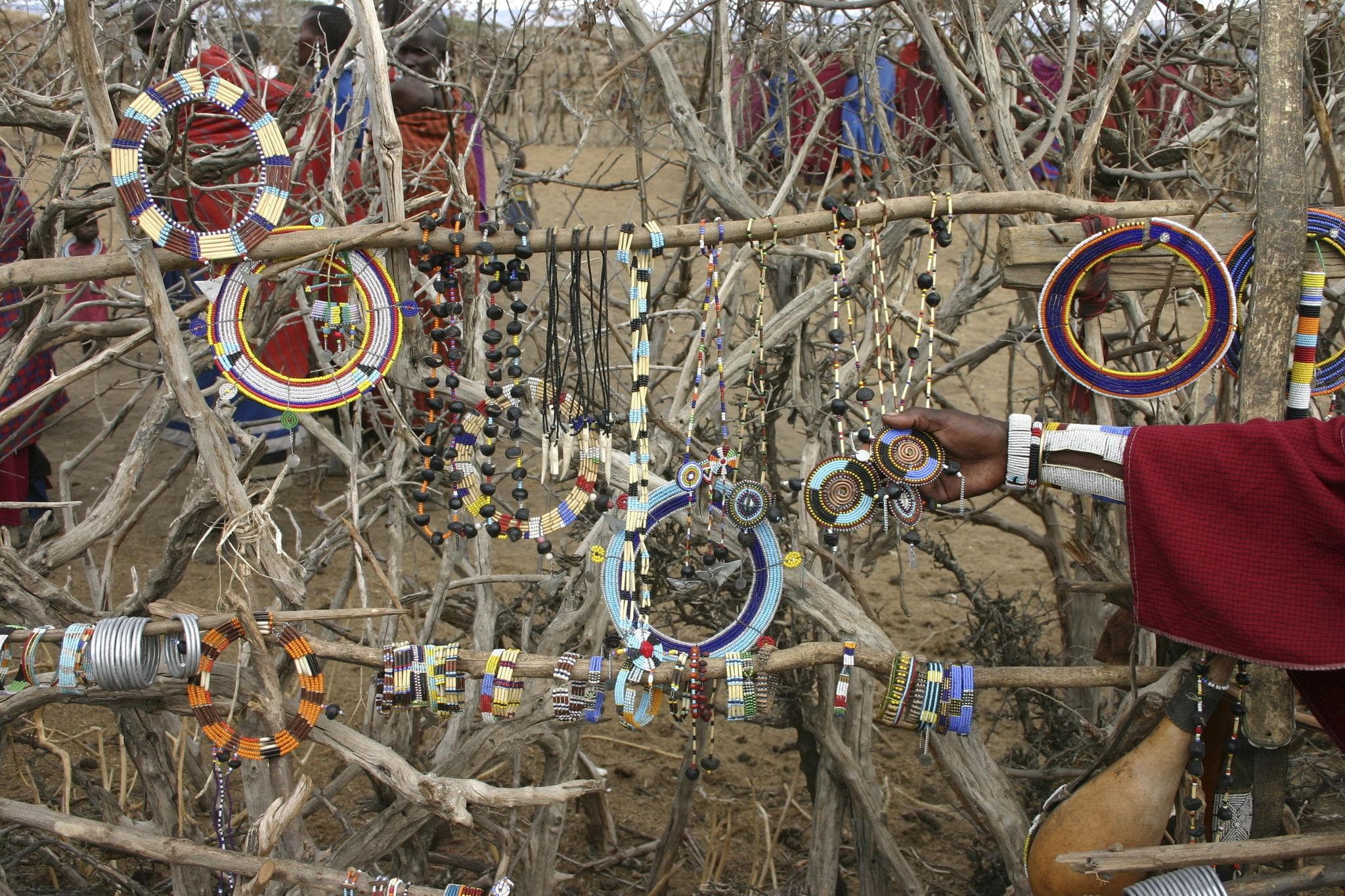
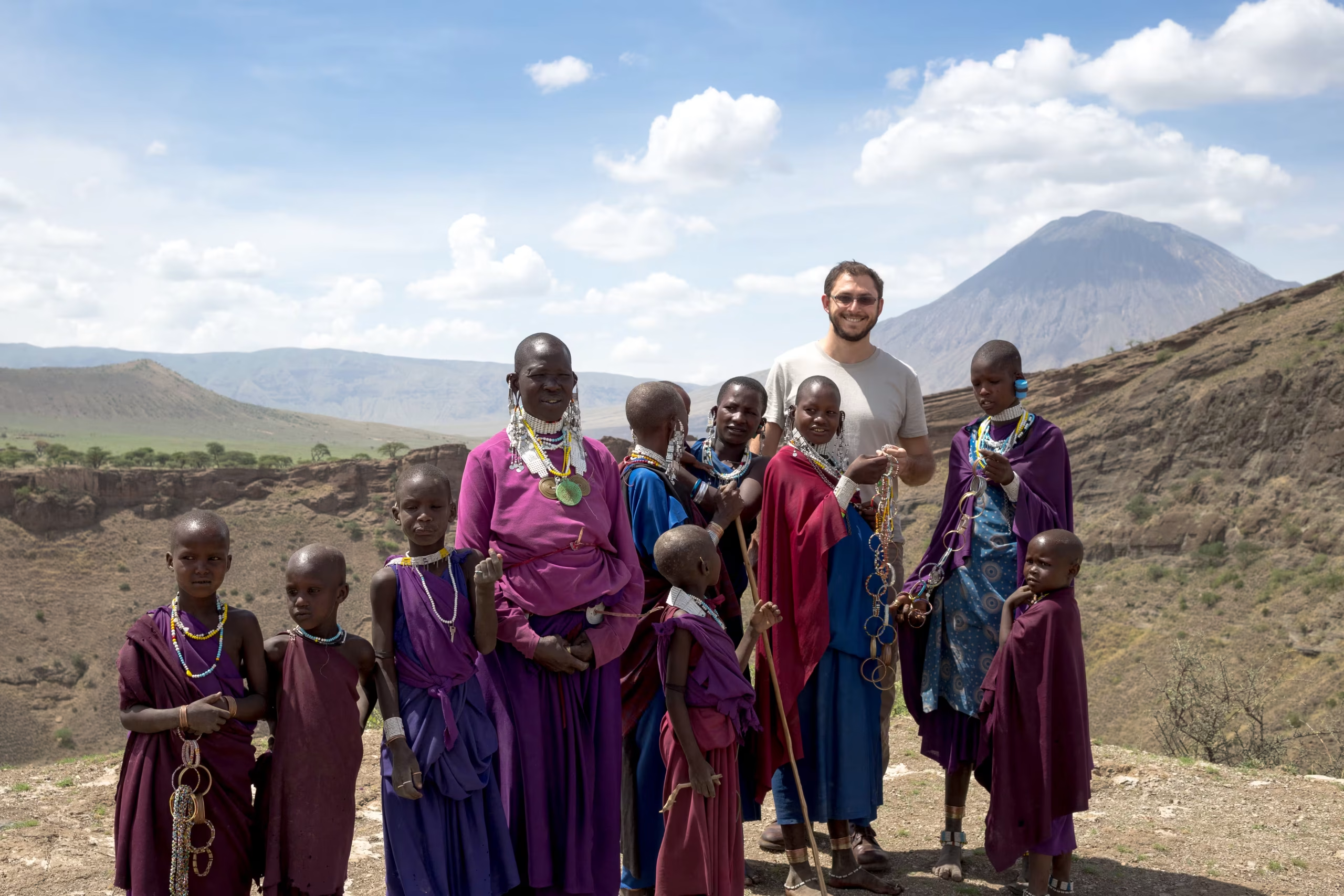
No people are more closely associated with East Africa than the Maasai, the tall, proud pastoralists whose lives revolve around their cattle and whose lands span the great parks of the northern circuit. A visit to a Maasai boma (homestead) offers a genuine glimpse into a way of life that has endured for centuries — you might be welcomed with the famous adumu jumping dance, shown inside a traditional home, and learn about their customs, medicine, diet and deep bond with their livestock.
Arranged directly with the community and conducted with respect, these visits are a two-way exchange rather than a spectacle, and the warmth and openness of the Maasai make them a highlight for many travellers. They pair perfectly with a safari in the Ngorongoro highlands, Serengeti or Tarangire, where the Maasai and the wildlife share the same magnificent land.
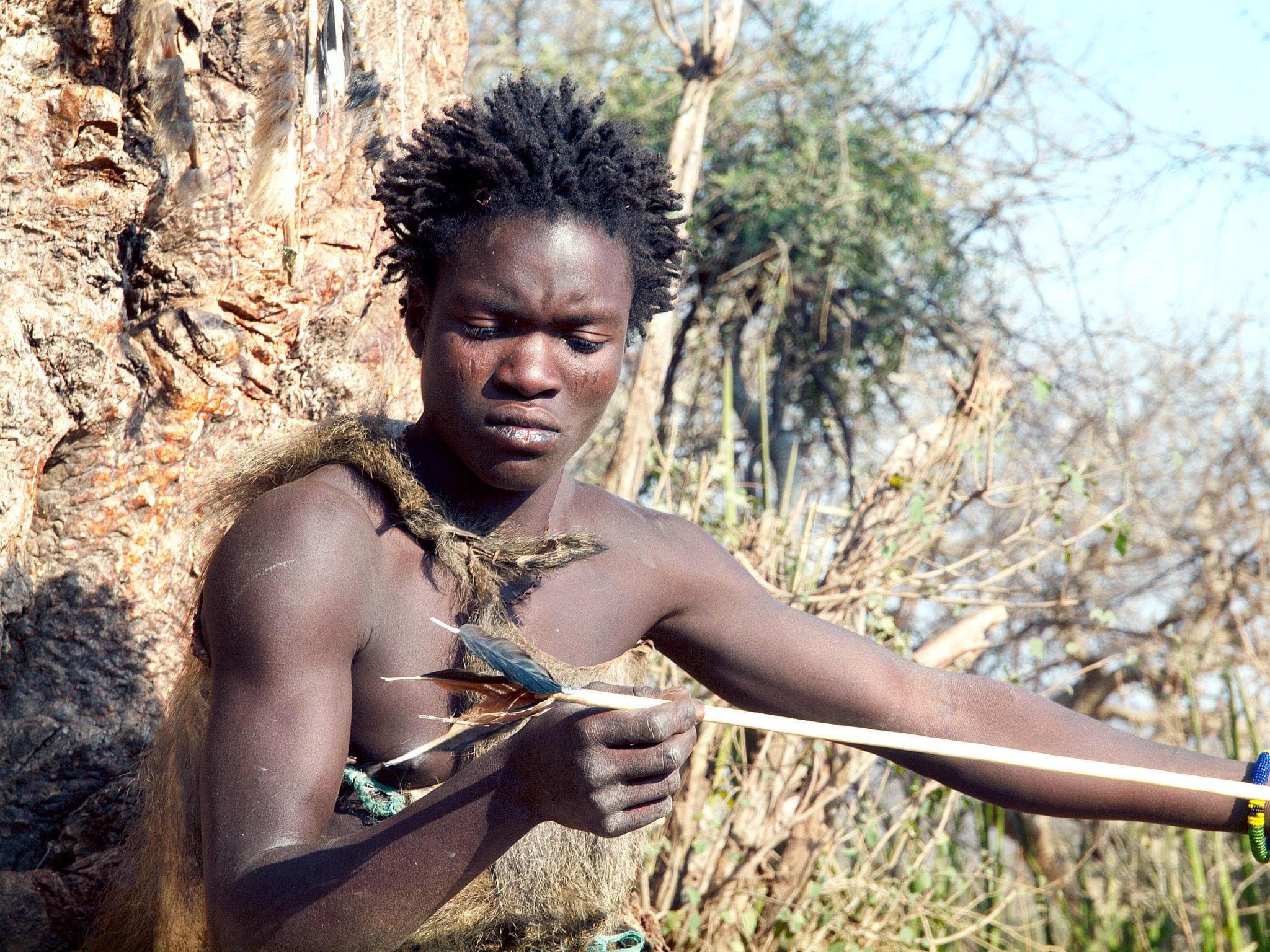
Near Lake Eyasi, south of the Ngorongoro highlands, live the Hadzabe — one of the last remaining hunter-gatherer peoples on the planet, whose way of life has changed little in tens of thousands of years. Joining them at dawn for a hunt, moving silently through the bush as they track game with handmade bows and forage for roots, berries and honey, is a genuinely humbling experience and a rare window onto how all our ancestors once lived.
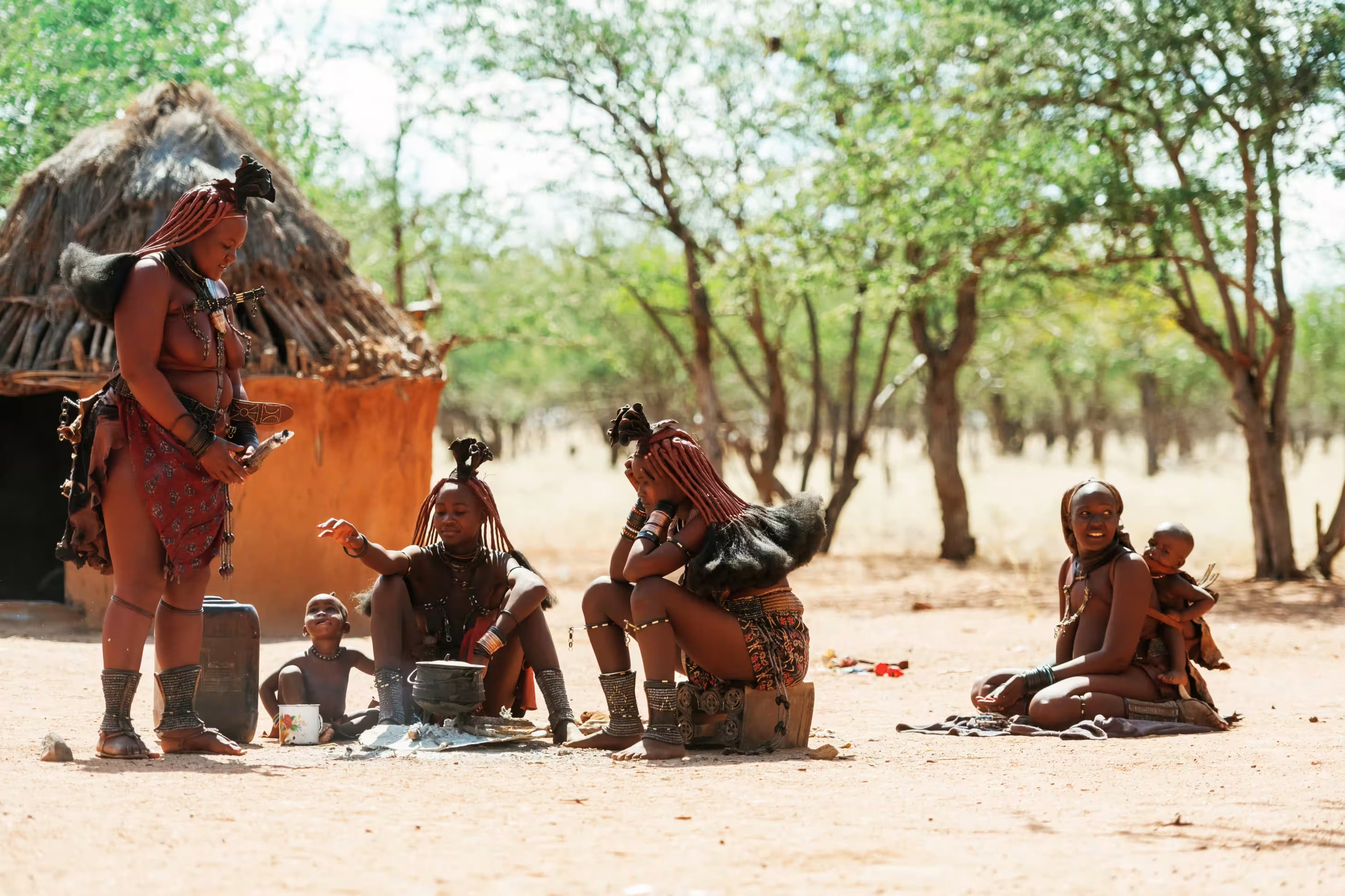
Nearby live the Datoga, skilled pastoralists and metalworkers who forge arrowheads, jewellery and tools by hand — a fascinating complement to a Hadzabe visit. Reaching Lake Eyasi takes a little effort, but the reward is one of the most authentic and thought-provoking cultural encounters in all of Africa, and it combines naturally with a northern safari.
From ancient traditions to living communities, these encounters bring the human heart of Tanzania to life.
A genuine welcome into a Maasai boma to share in a way of life woven into the land.
Enquire →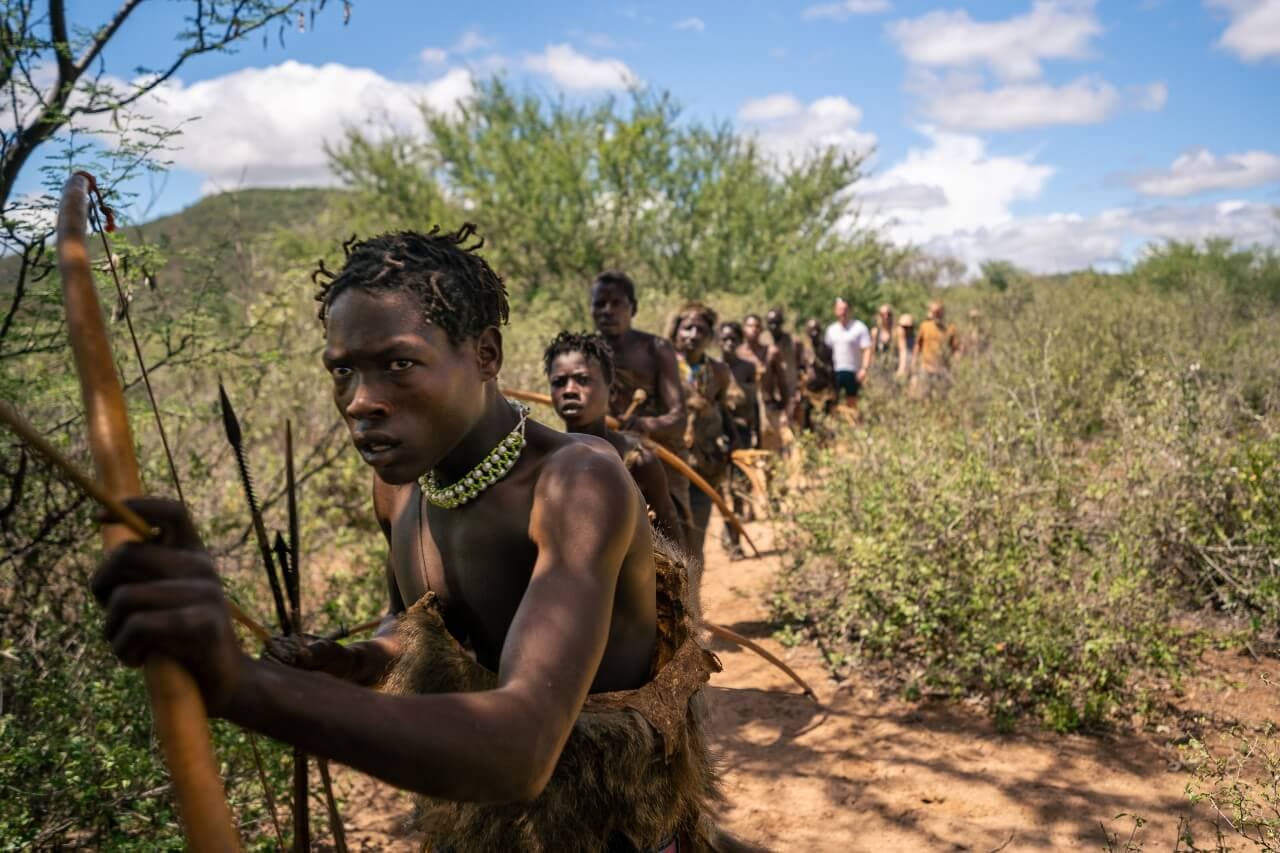
Join the Hadzabe hunter-gatherers at dawn for a rare window onto humanity’s oldest way of life.
Enquire →
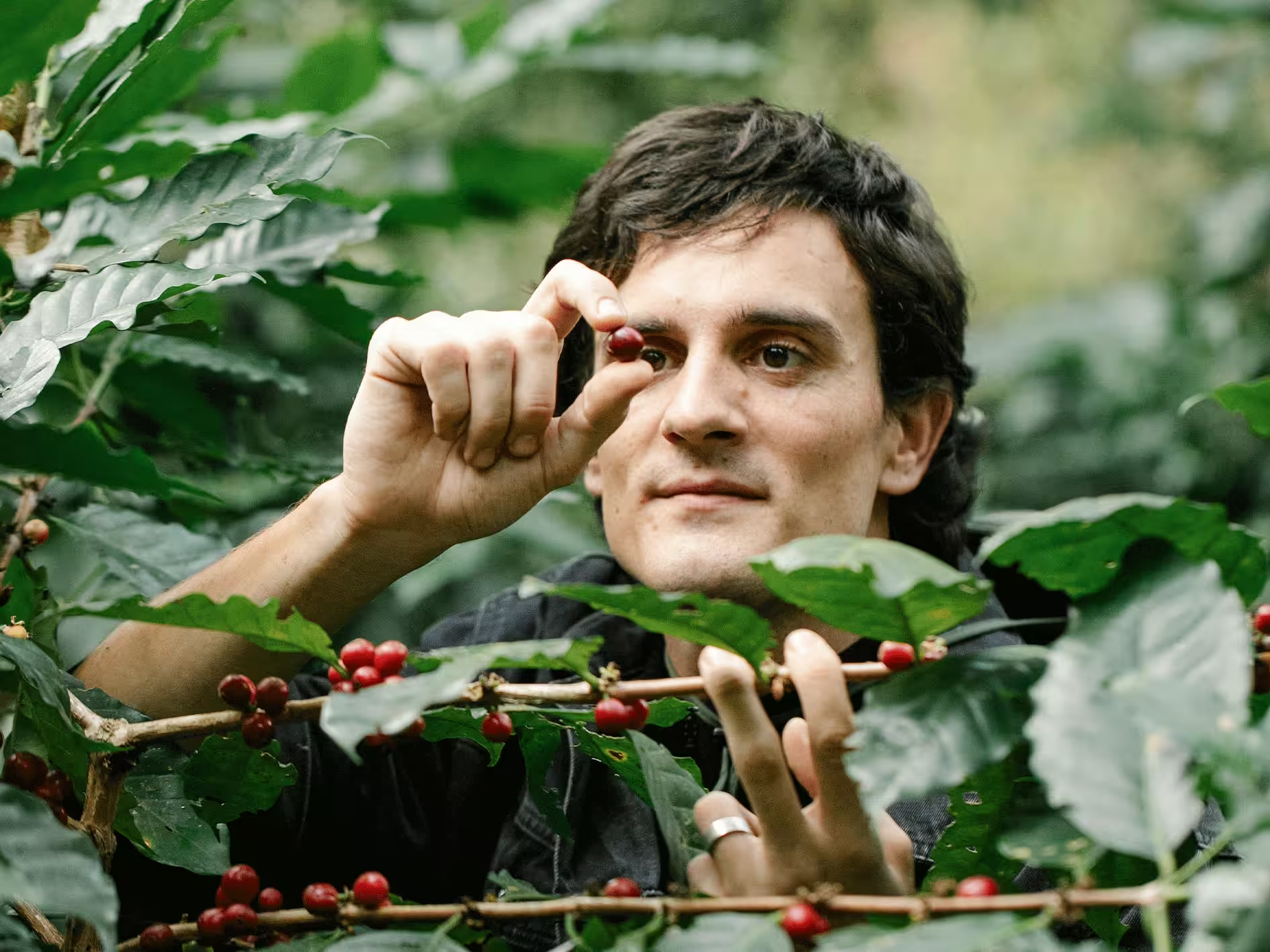
Visit Chagga villages and coffee farms on the mountain slopes and share a local meal.
Enquire →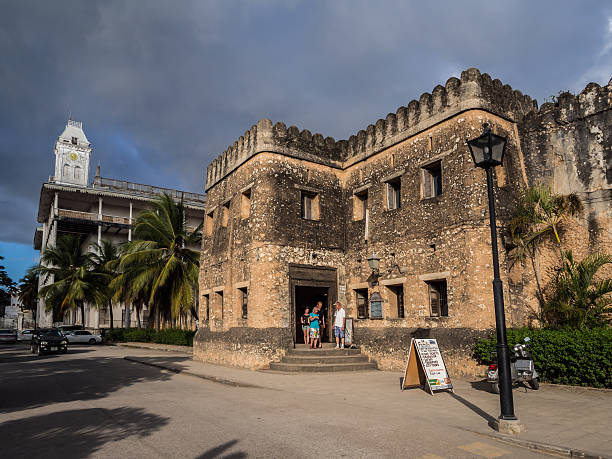
Explore the living cultural crossroads of the Spice Island as a perfect end to your trip.
Enquire →
Long after the details of a game drive fade, travellers remember the faces, the laughter and the shared moments of a genuine cultural encounter — the warmth of a Maasai welcome, the quiet skill of a Hadzabe hunter, the pride of a family showing you their home. These human connections give a safari its soul, and remind us that Tanzania is not only one of the wildest places on Earth, but one of the most welcoming.
Cultural tourism, done poorly, can feel like a spectacle; done well, it enriches everyone involved. We take great care to arrange visits directly with the communities who host them, so that the benefits flow to the people themselves, and to keep encounters genuine, dignified and mutually respectful. These are real meetings between people, not staged shows, and we brief you beforehand on customs and etiquette so you can engage with confidence and sensitivity.
We encourage an open, curious and humble spirit — asking before photographing, listening as much as looking, and approaching each encounter as a guest. Handled this way, a cultural visit becomes far more than a stop on an itinerary: it becomes a highlight, and a connection that both you and your hosts will value. We’ll help you choose the experiences that feel right for you.
Time and again, our travellers tell us these human encounters were the moments that moved them most — the ones they talk about long after the wildlife photographs are filed away. Approached with openness and respect, a cultural visit is not a detour from the safari but a deepening of it, adding a richness and a sense of connection that makes the whole journey more meaningful.