Zanzibar white-sand beach with a traditional dhow
Zanzibar
Powder-soft sand, warm turquoise water and the historic, spice-scented lanes of Stone Town — the perfect way to end a safari.
Explore →
From the endless plains of the Serengeti to the spice-scented shores of Zanzibar, Tanzania holds some of the most extraordinary wild places on Earth. Discover the parks, craters, mountains and coastlines that make it the finest safari country in Africa.
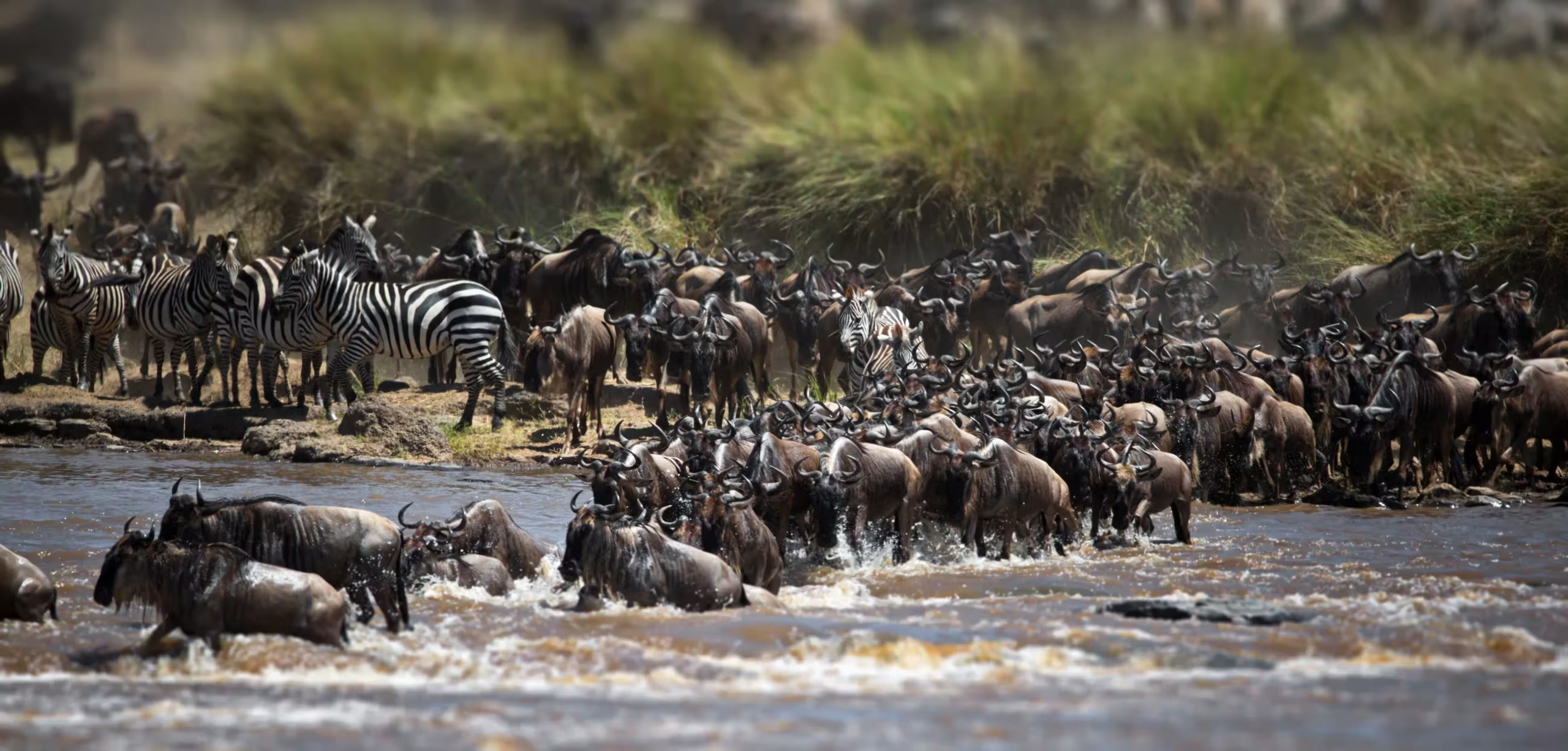
The Serengeti is the safari every other safari is measured against. Its name comes from the Maasai Siringet — “the land that runs on forever” — and standing on its plains at dawn, you understand why. This is the stage for the Great Migration, the largest overland movement of animals on the planet, as well as some of the highest predator densities in Africa.
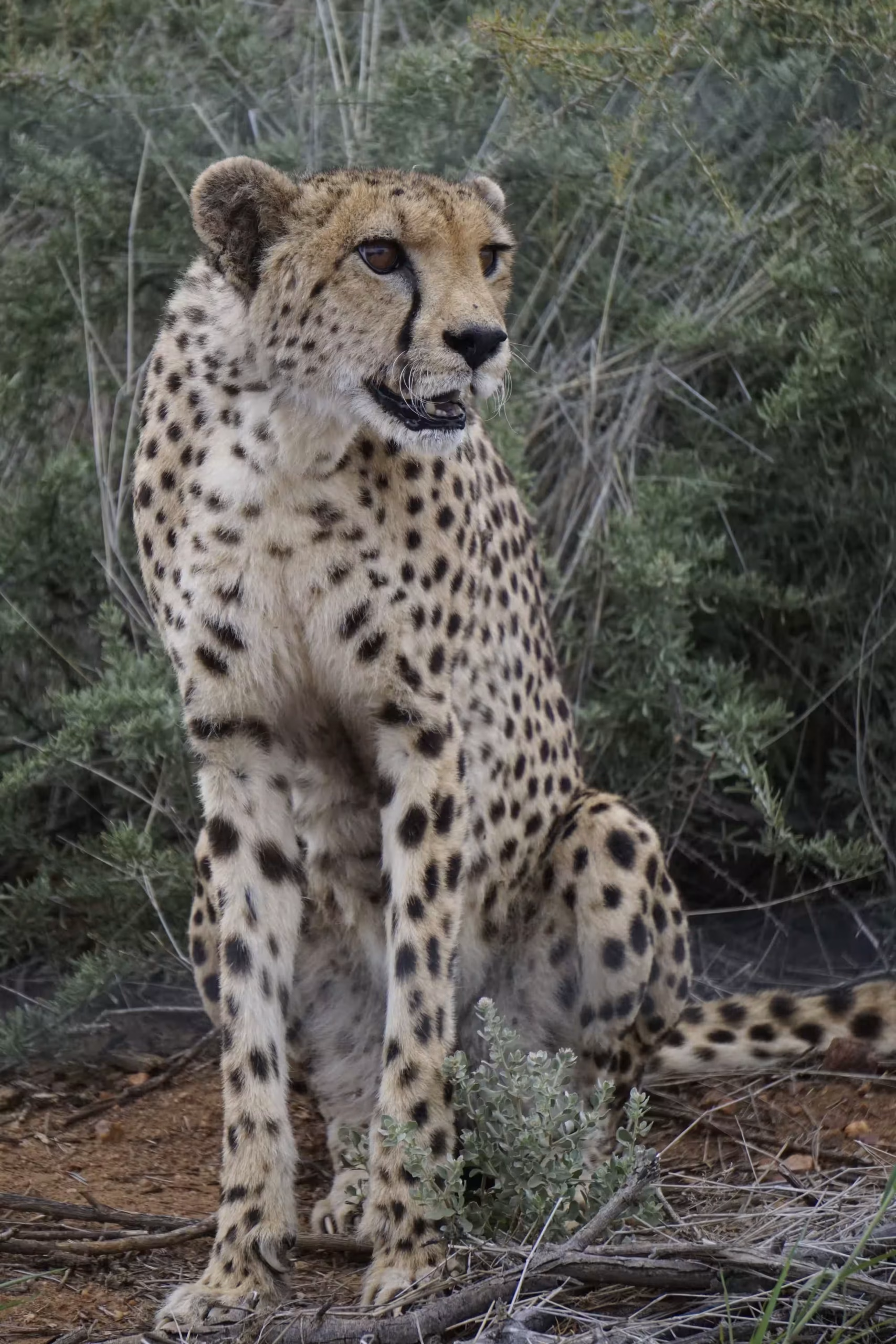
Beyond the migration, the Serengeti rewards at any time of year: prides of lions draped over kopjes, leopards in the sausage trees along the Seronera River, and cheetahs hunting on the short-grass plains. The park is enormous, and where you stay matters enormously — we position you in the right region for the season so the wildlife comes to you.
Two to three million years ago, a volcano larger than Kilimanjaro collapsed in on itself, leaving behind the largest intact volcanic caldera in the world. Today the Ngorongoro Crater is a natural amphitheatre some 260 square kilometres across, its walls rising six hundred metres above a floor of grassland, swamp, forest and soda lake.
The result is one of the densest concentrations of wildlife anywhere on Earth — around 25,000 large animals live within the crater, including the endangered black rhino, giving visitors a genuine chance at the “Big Five” in a single unforgettable day. Descending the crater wall at dawn, with mist still clinging to the rim, is one of the great moments in African travel.
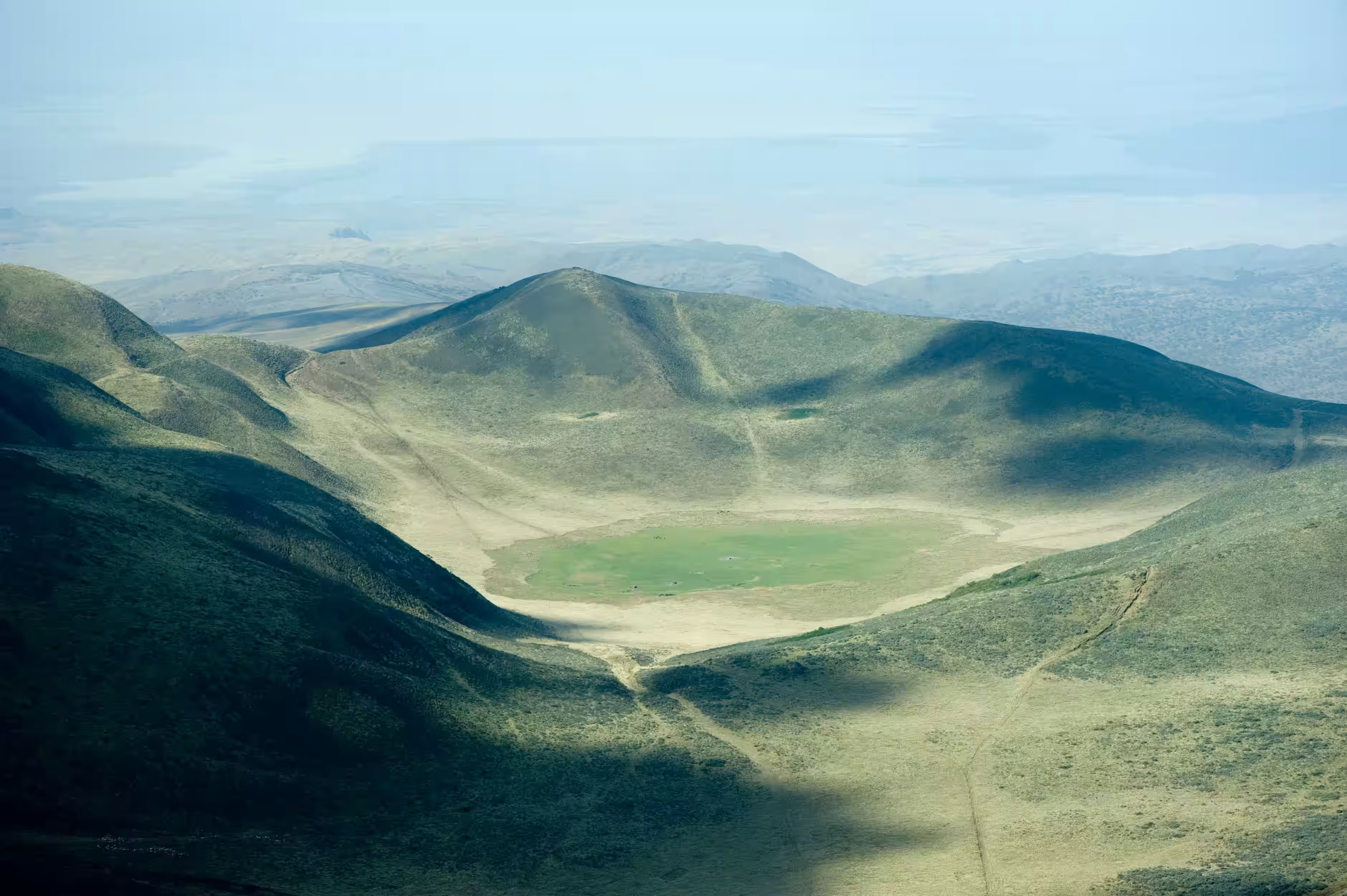

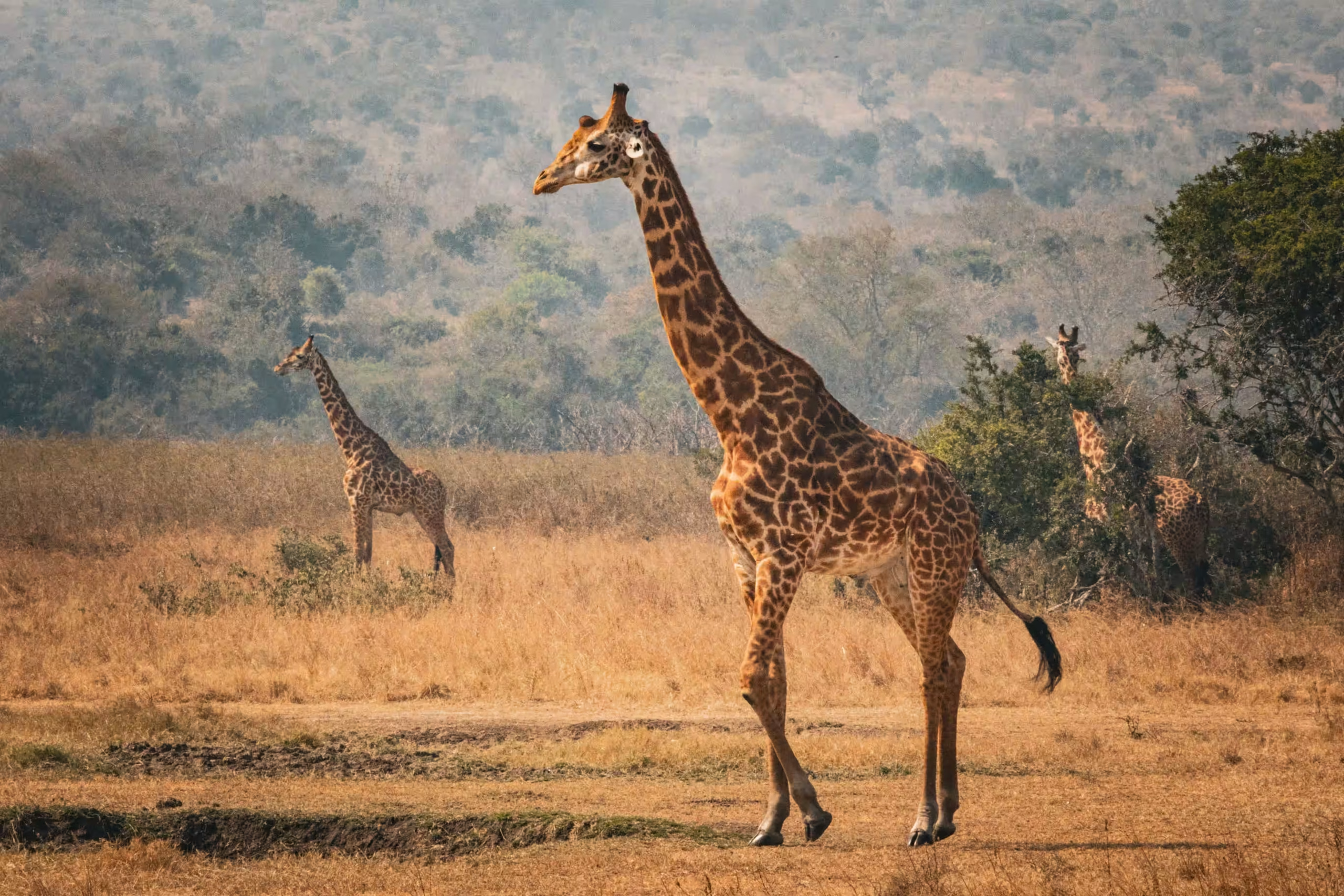
Often overlooked in the rush to the Serengeti, Tarangire is a favourite of ours — a landscape of golden savannah studded with giant, ancient baobab trees, some more than a thousand years old. In the dry season, as water sources shrink across the region, the Tarangire River becomes a magnet for wildlife.
The park is best known for its elephants, which gather here in enormous herds — often hundreds strong — alongside lion, leopard, buffalo, giraffe and more than 550 recorded bird species. It makes a superb, less-crowded start or finish to a northern safari.
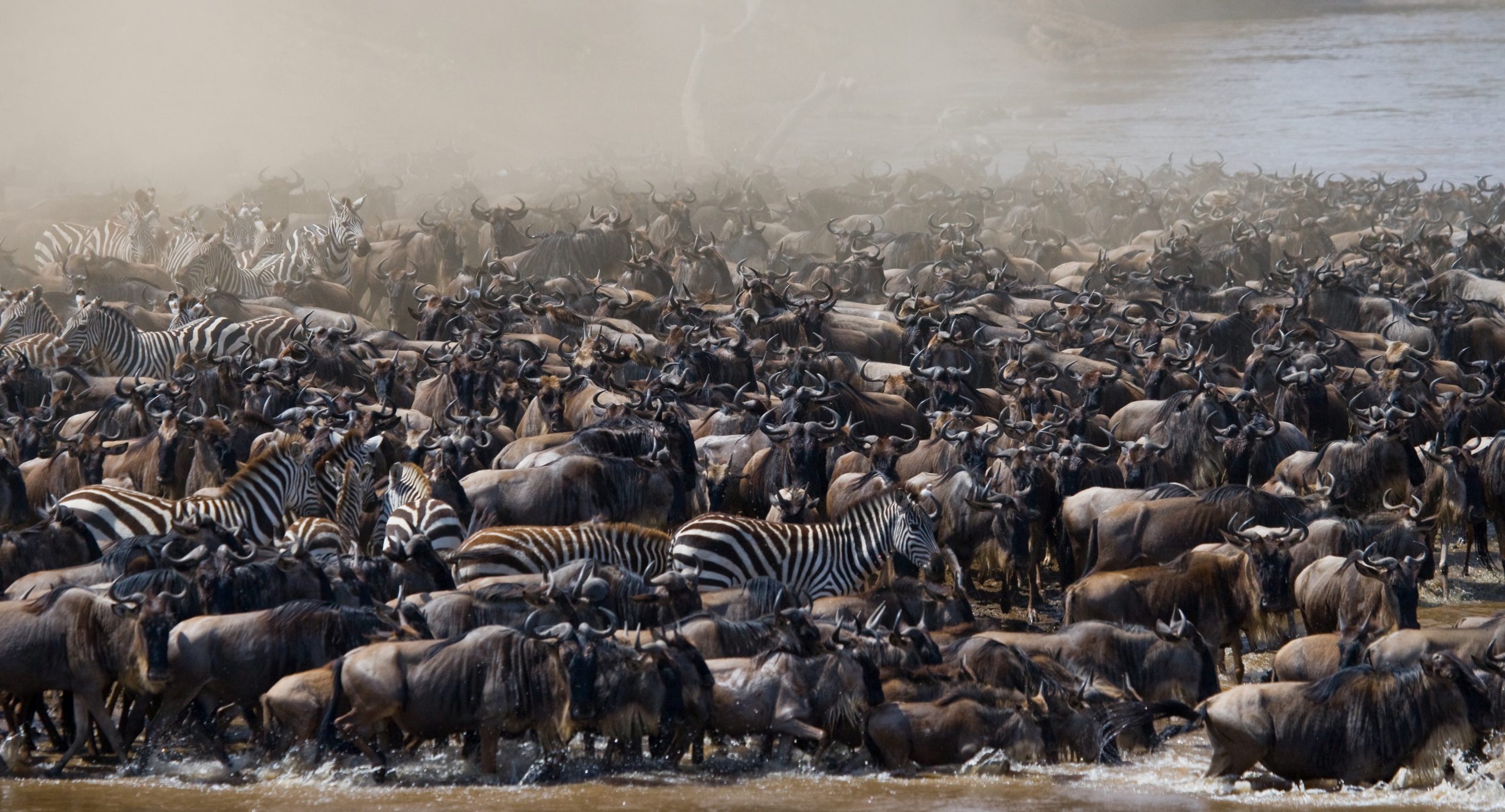
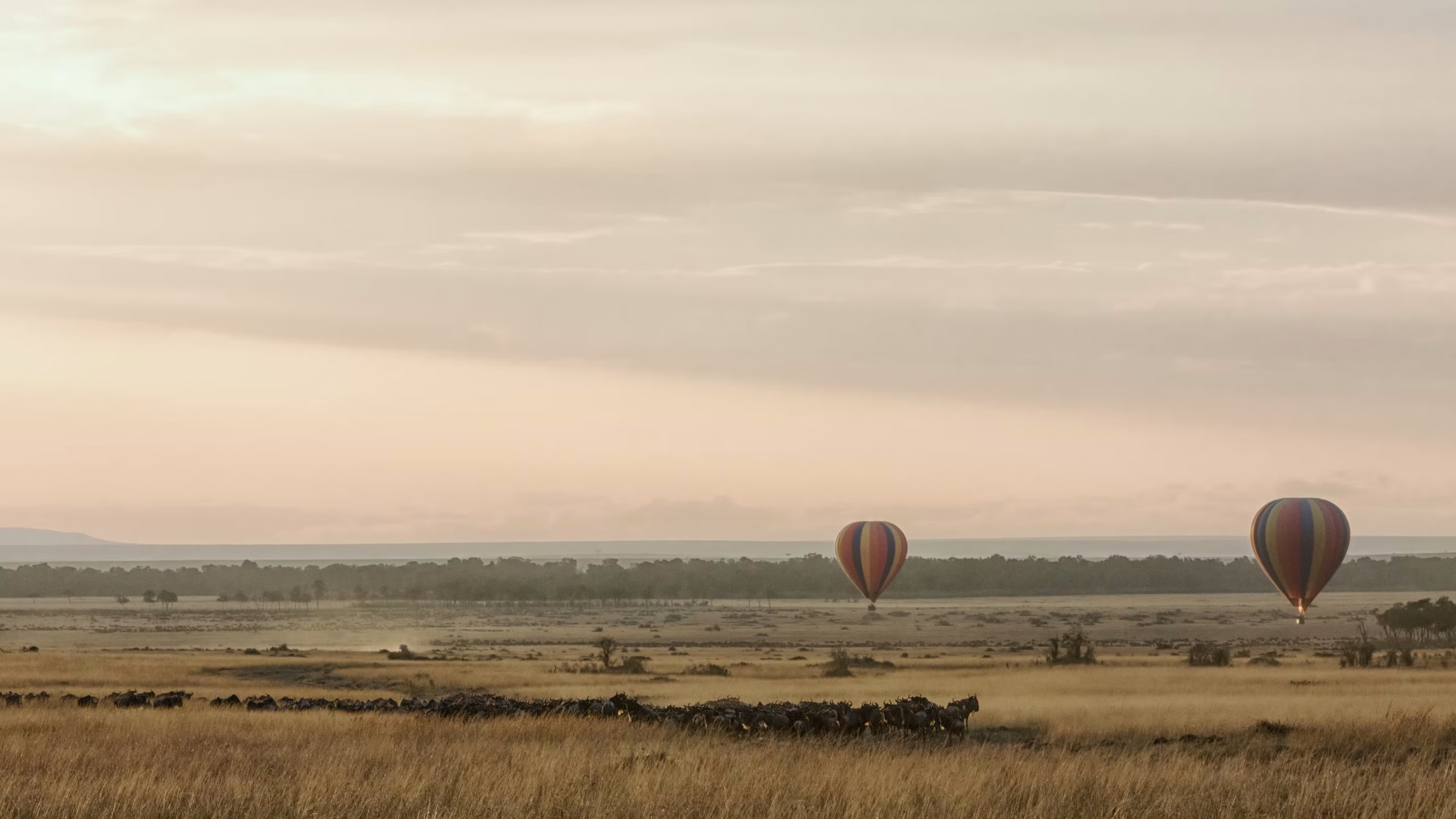
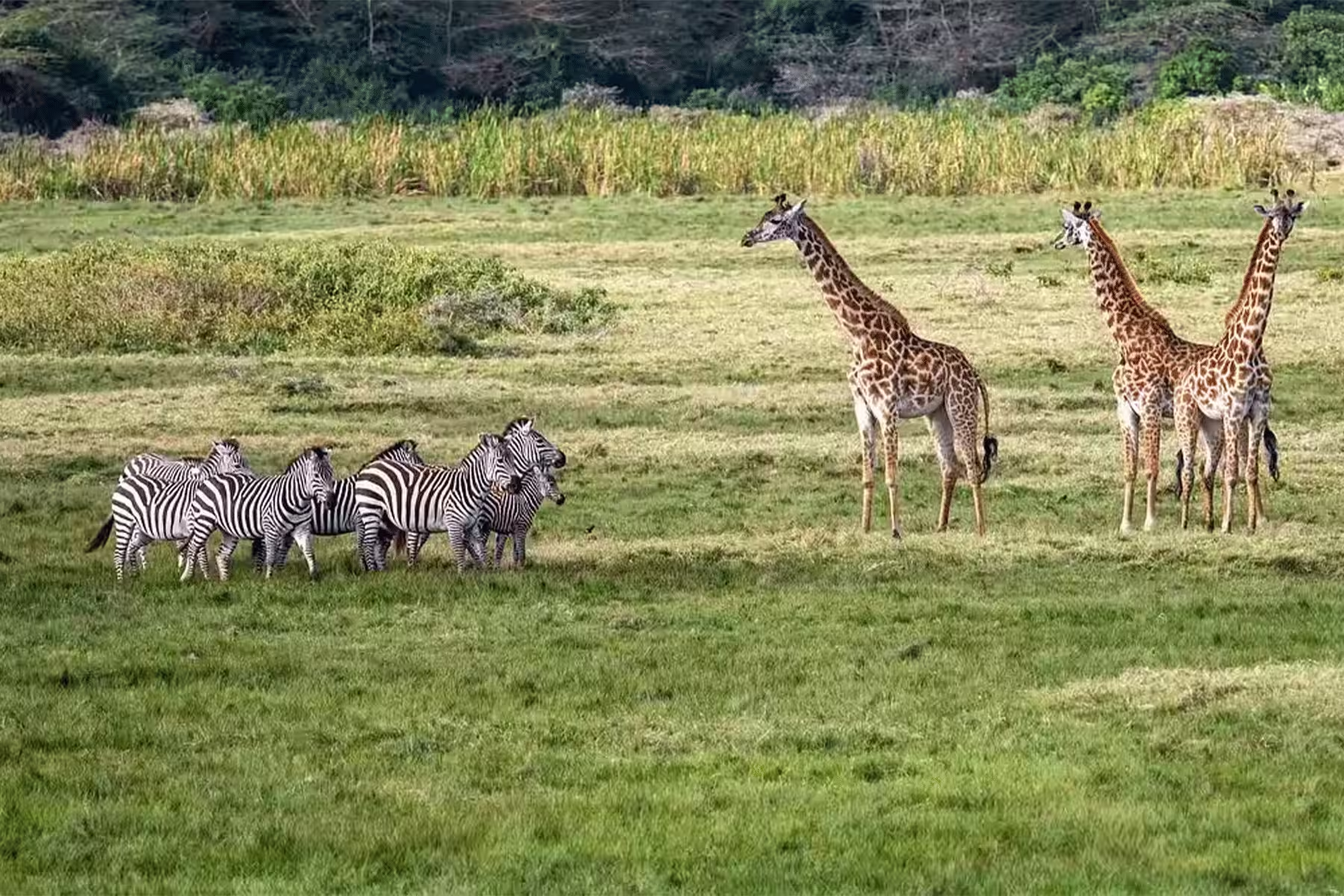
Every year, over 1.5 million wildebeest and hundreds of thousands of zebra and gazelle move in a great clockwise circuit through the Serengeti–Mara ecosystem, following the rains and the fresh grass. From the dramatic river crossings of the northern Serengeti to the calving season on the southern plains, we time your safari and position your camps to place you at the heart of the action.
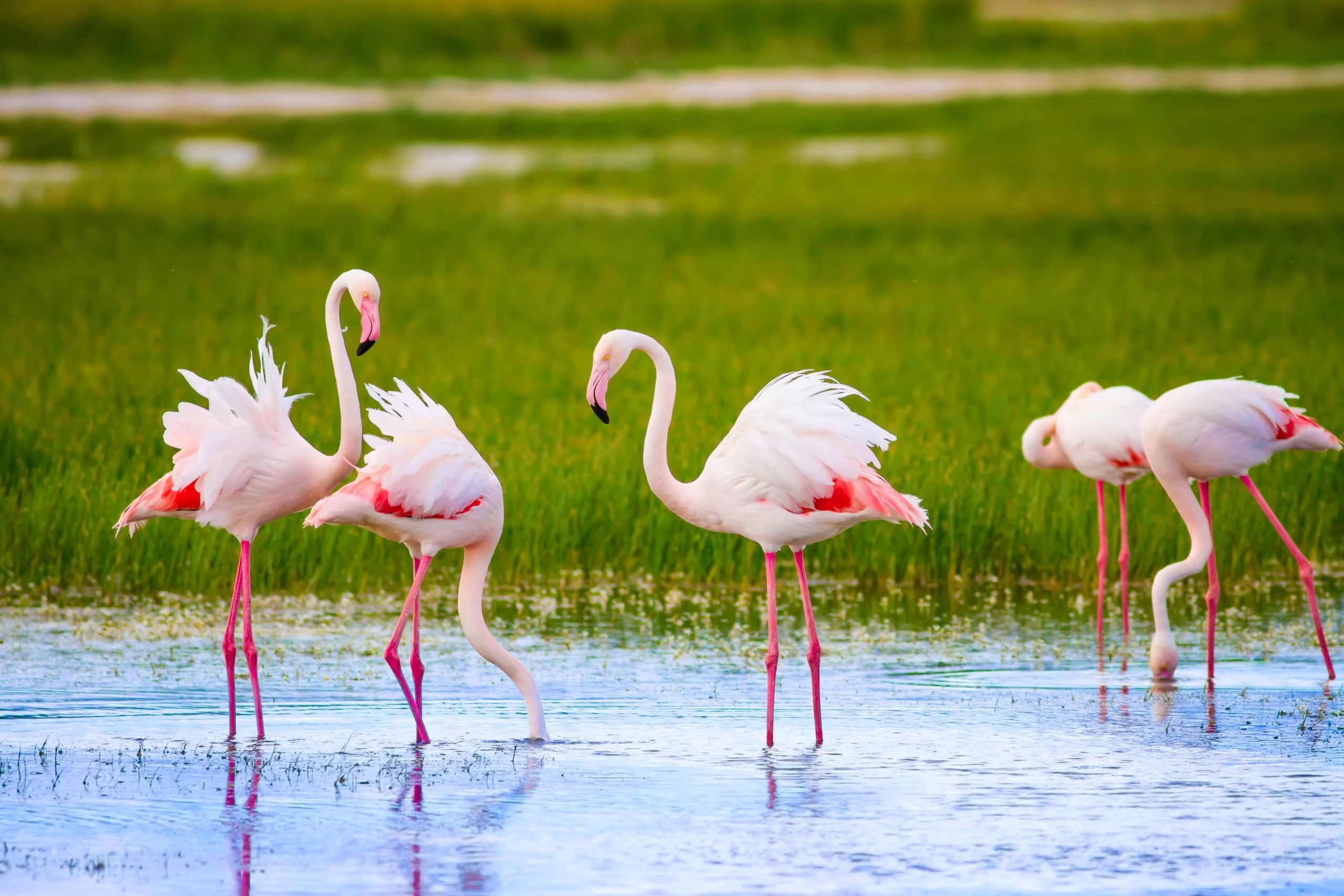
Start PlanningCompact and astonishingly varied, Lake Manyara packs groundwater forest, open grassland, acacia woodland and a vast alkaline lake into a narrow strip beneath the dramatic wall of the Great Rift Valley escarpment. It is a place of birds — flamingos washing the shoreline pink, pelicans, storks and more than 400 other species.
Manyara is also famous for its unusual tree-climbing lions, often seen draped in the branches of acacias, and for large troops of baboons along the forest tracks. As a half-day or full-day stop, it is the perfect gentle introduction to the northern circuit.
For honeymooners, photographers and returning safari-goers who crave solitude, Tanzania’s southern and western parks offer raw wilderness with a fraction of the vehicles.
Powder-soft sand, warm turquoise water and the historic, spice-scented lanes of Stone Town — the perfect way to end a safari.
Explore →
One of Africa’s largest protected areas, offering boat safaris, walking trails and genuine wilderness far from the crowds.
Explore →
Remote, rugged and wonderfully wild — huge elephant herds, big prides of lion and a sense of true isolation.
Explore →
Track wild chimpanzees on forested slopes above the sapphire waters of Lake Tanganyika — a bucket-list adventure.
Explore →