wondernest travel

Kilimanjaro trekking gear and layers laid out ready to pack — 2400×1400
Mount Kilimanjaro · Plan Your Climb

Packing List

Kilimanjaro takes you from steamy rainforest to arctic summit in a matter of days — so the right kit, and smart layering, are everything. Here’s exactly what to bring for a warm, dry and comfortable climb.
IWhy It Matters

Five Climate Zones, One Trek

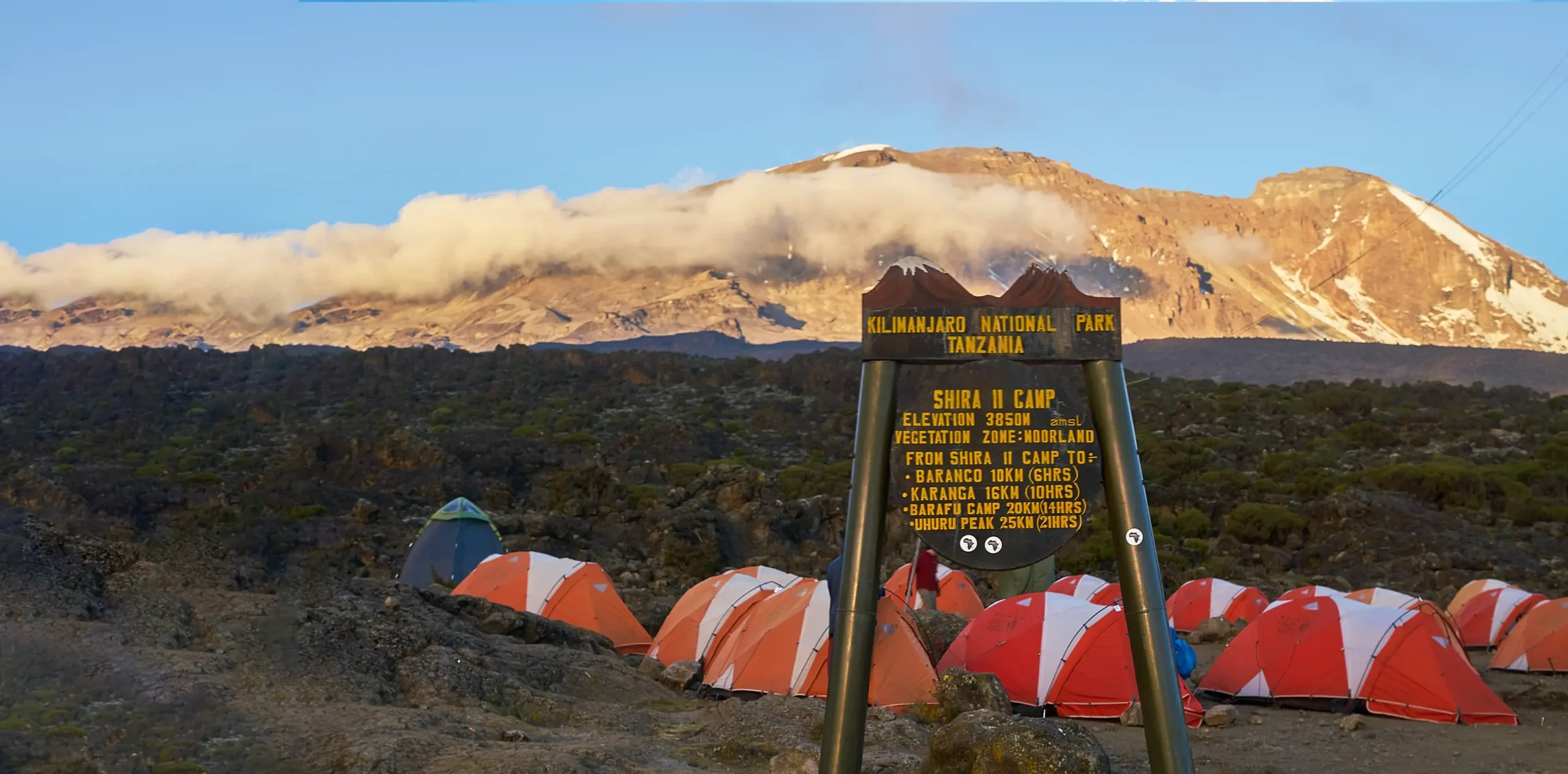
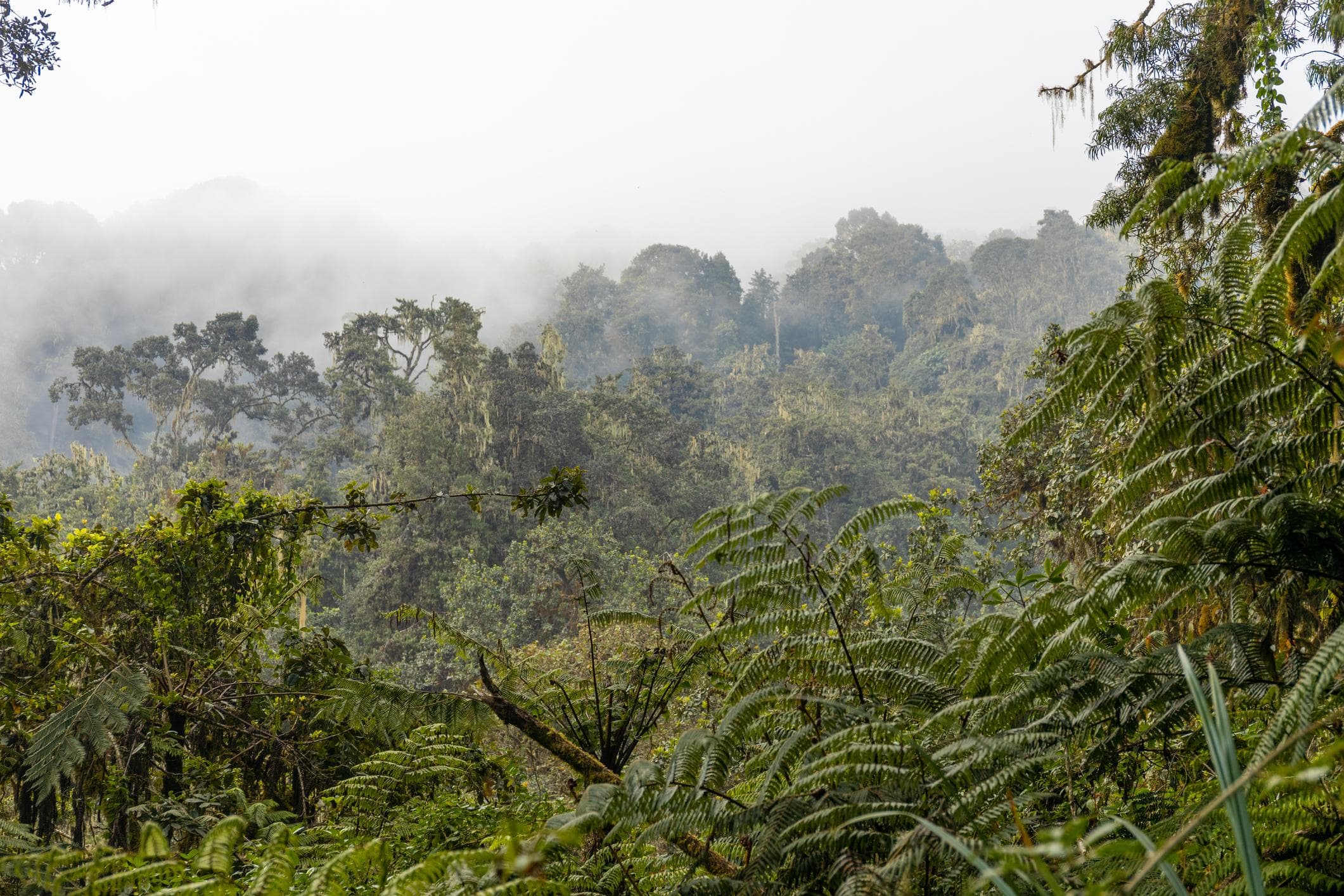
Few treks on Earth pass through such extremes as Kilimanjaro. In the space of a few days you climb through five distinct climate zones — from hot, humid rainforest at the base, up through heath and moorland, into high-alpine desert, and finally to the freezing, arctic summit at 5,895 metres. Temperatures can swing from tropical warmth to well below freezing, so layering is everything.

The principle is simple: multiple layers you can add and remove let you stay comfortable across that whole range, keeping warm when it’s cold, cool when you’re working hard, and dry when it rains. Getting your kit right isn’t just about comfort, either — staying warm and dry helps you rest, recover and acclimatise, all of which improve your chances of reaching the summit.

Getting your kit right can feel daunting, but it needn’t be — the list is well established, much of it can be hired locally, and we guide you through every item. Think of good gear as an investment in your comfort and your success: staying warm, dry and well-rested on the mountain is one of the quiet secrets to reaching the top.

On the mountain, your porters carry the bulk of your gear in a duffel bag (usually up to around 15kg), while you carry a smaller daypack with the essentials you need through the day. Below is a practical guide to what to bring — and we’ll send you a full, detailed list when you book.

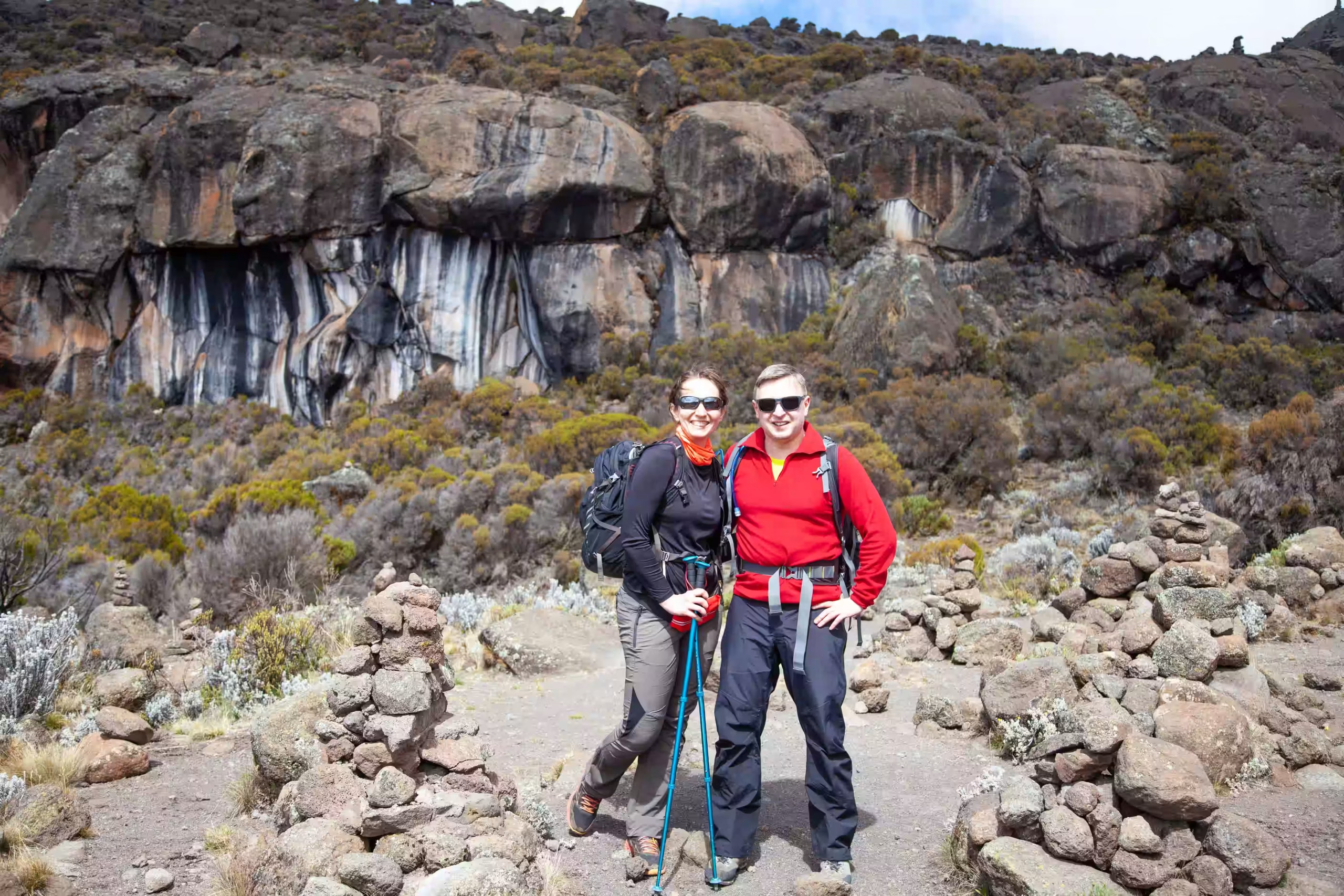
Trekker adjusting layers on the mountain in changing conditions
Trekker adjusting layers on the mountain in changing conditions — 1000×750
The System

Dressing in Layers

A good layering system has three parts. A base layer of moisture-wicking thermal fabric sits against your skin, drawing sweat away to keep you dry (never cotton, which stays wet and cold). An insulating mid-layer — fleece and, for the summit, a warm down jacket — traps heat. And a waterproof, windproof outer shell protects you from rain and the biting summit wind.

The beauty of the system is its flexibility: you add and shed layers as conditions and your effort change through the day, so you’re never too hot or too cold. The same principle applies to your legs — hiking trousers, with thermal leggings underneath for the higher, colder camps and summit night. Get the layering right and you’ll be comfortable across every one of the mountain’s climate zones.

Base + insulation + shell  ·  add and shed layers as you go
CategoryWhat to bring
Base layersMoisture-wicking thermal tops and bottoms (avoid cotton)
InsulationFleece or mid-layer, plus a warm insulated (down) jacket for the summit
Outer shellWaterproof, windproof jacket and over-trousers
LegsHiking trousers and thermal leggings for the higher camps
Head & handsWarm hat, sun hat or cap, buff or balaclava, liner gloves and warm insulated gloves
FootwearBroken-in waterproof hiking boots, camp shoes, and plenty of hiking and thermal socks
SleepingA four-season sleeping bag rated to roughly −10 to −18°C (hireable locally)
Daypack & trekking30–35L daypack, trekking poles, headtorch with spare batteries, 3L water capacity
Sun & healthCategory 3–4 sunglasses, high-SPF sunscreen, lip balm, personal first-aid, blister plasters
ExtrasDuffel bag for porters, quick-dry towel, wet wipes, snacks, water purification, cash for tips
IIThe Critical Items

Boots, Sleeping Bag & Daypack

Some items matter more than others, and three deserve special attention:

  • Hiking boots. Sturdy, waterproof and, above all, well broken in — new boots are the number-one cause of blisters, which can ruin a climb. Wear them on your training hikes for weeks beforehand.
  • Sleeping bag. Nights get bitterly cold at altitude, so a proper four-season bag rated to around −10 to −18°C is essential for warm, restful sleep — which in turn aids acclimatisation.
  • Daypack. A comfortable 30–35 litre pack for the things you need through the day: water, snacks, layers, waterproofs, sunscreen, camera and headtorch. Everything else goes in your porter-carried duffel.

Good socks (several pairs of hiking and thermal socks) and quality sunglasses and sun protection round out the essentials — the high-altitude sun is fierce, and glare off any snow is intense. Investing in a few key items really pays off on the mountain.

Made Easy

Porters, Daypacks & Hiring Gear

One of the joys of a Kilimanjaro climb is that you don’t have to carry everything yourself. Your porter team carries the bulk of your kit — your duffel bag, camp equipment, food and water — leaving you to walk with just a light daypack of daily essentials. This makes the trek far more manageable and enjoyable, and it’s all part of the service.

You also don’t need to buy every item new. Good-quality kit — sleeping bags, down jackets, poles and more — can be hired locally in Arusha at reasonable cost, which is ideal if you’d rather not invest in gear you may not use again. When you book with us, we’ll send a full detailed packing list, advise on what to buy versus hire, and make sure you arrive properly equipped.

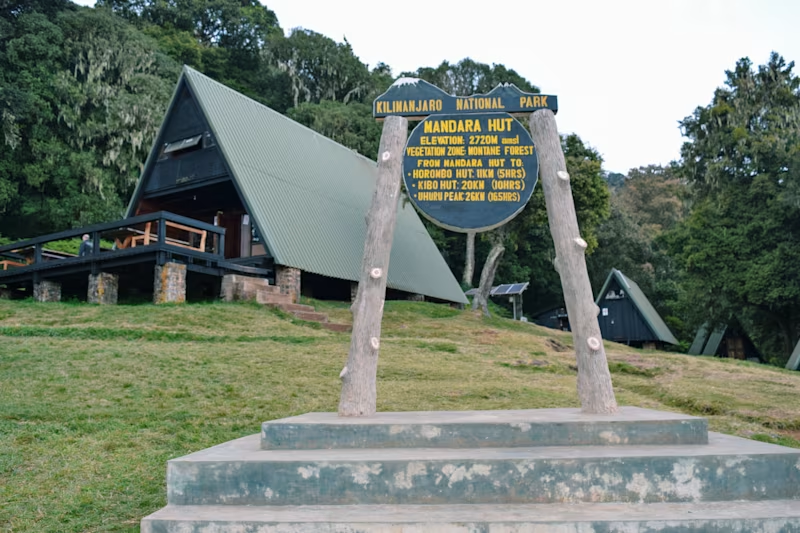
Porters carry the bulk  ·  quality kit hireable in Arusha
Porters carrying duffel bags and equipment on the trail
Porters carrying duffel bags and equipment on the trail — 1000×750
IIIA Few More Tips

Extras That Make a Difference

Beyond the essentials, a handful of small extras can make a real difference to your comfort on the mountain. In the cold, batteries drain quickly, so bring spares for your headtorch and camera, and keep power banks and devices warm inside your jacket or sleeping bag overnight. A water bladder is convenient for drinking on the move, but on summit night the tube can freeze — so carry an insulated bottle too, ideally filled with warm water.

Pack any personal medications and toiletries you will need, plenty of high-energy snacks to nibble through the day, wet wipes and hand sanitiser for freshening up, and a little cash for tipping your guides and porters at the end — a customary and much-appreciated part of the climb, on which we are happy to advise. Finally, keep your gear organised in dry bags or packing cubes inside your duffel, so you can find things easily in camp. Small touches like these keep you comfortable — and comfort helps you rest, recover and reach the top.

Well-equipped trekkers setting off on the Kilimanjaro trail
Well-equipped trekkers setting off on the Kilimanjaro trail — 2400×1400
Pack Smart

Warm, Dry & Ready

Get your kit and your layering right, and you’ll be comfortable through every one of Kilimanjaro’s climate zones — which frees you to focus on the climb itself. We’ll guide you through exactly what to bring, what to hire and what to leave behind, so you set off for the summit properly prepared and with nothing forgotten.

Start Planning
IIIGallery

Geared Up

“The packing list WonderNest sent was spot on — I was warm and dry the whole way, even on summit night. Getting the layers right made all the difference.”

Claire & Ben H., United Kingdom
IVGood to Know

Packing FAQ

Your porter-carried duffel is usually limited to around 15kg, which is ample for your gear, while your daypack should be as light as possible — just the day’s essentials such as water, snacks, layers, waterproofs and a camera. We’ll help you pack sensibly so nothing is too heavy.

Well broken-in, waterproof hiking boots — new boots are the leading cause of blisters. A good layering system (base, insulation and waterproof shell) and a warm four-season sleeping bag are equally essential.

Very — while the lower slopes are warm, temperatures at the higher camps and on summit night can drop well below freezing, often to around −15 to −25°C with wind chill. Warm layers and a good sleeping bag are essential.

No — your porter team carries the bulk of your kit in a duffel bag (usually up to around 15kg), along with camp equipment and food. You carry only a light daypack with the essentials you need through the day.

Yes — good-quality gear such as sleeping bags, down jackets and trekking poles can be hired locally in Arusha at reasonable cost, which is ideal if you’d rather not buy items you may not use again.

Absolutely — when you book, we send a comprehensive, detailed packing list, advise on what to buy versus hire, and make sure you arrive on the mountain properly equipped for every climate zone.

Begin the Journey

Ready to Gear Up for Kilimanjaro?

Get in touch and we'll send you a full packing list, help you sort any kit you'd rather hire, and make sure you're set for a comfortable climb.

Loading itinerary…
Saved Trips