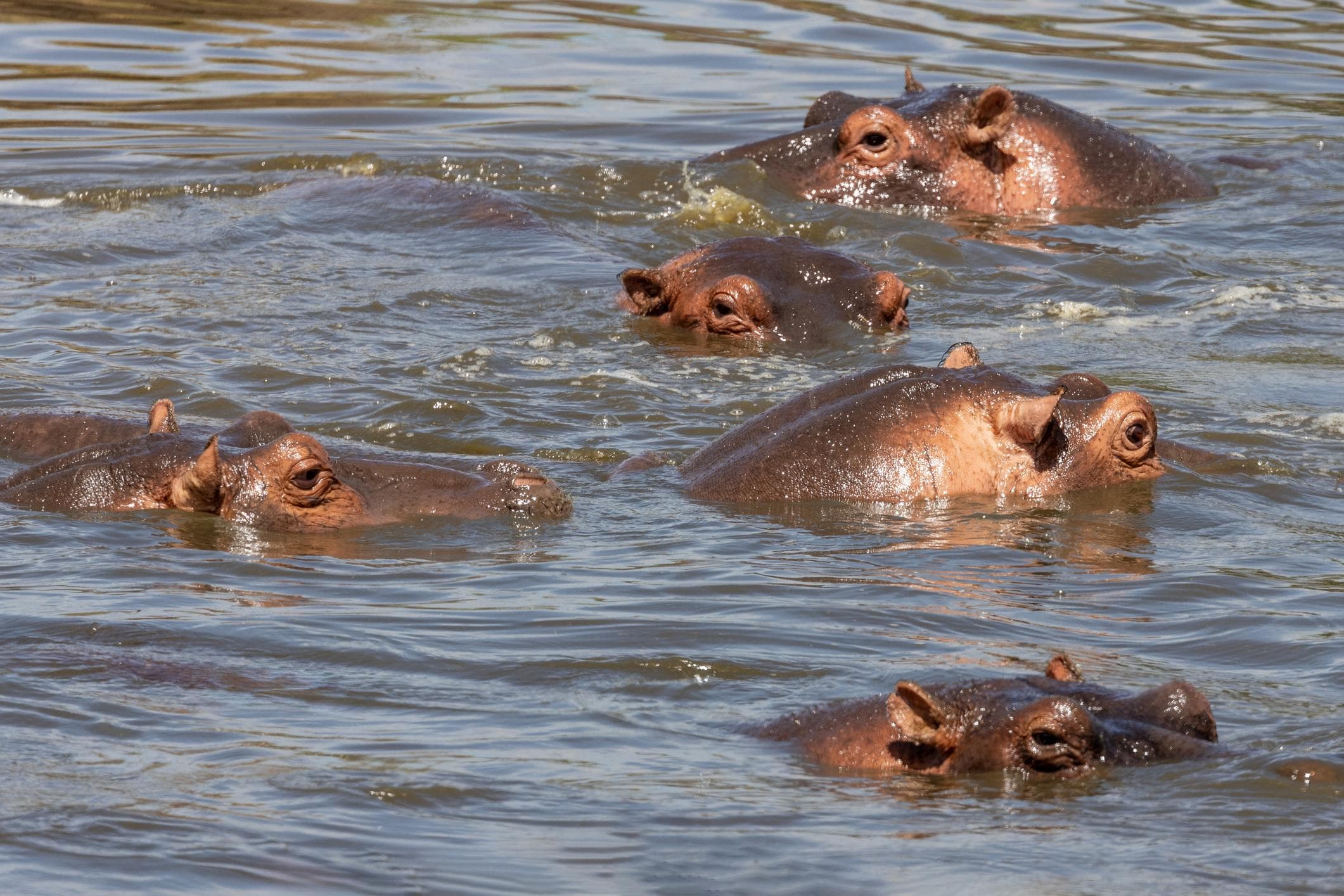
Boat safari passing hippos on the Rufiji River
Boat Safaris
Drift the Rufiji River past hippos, crocodiles, elephants and waterbirds — a magical highlight.
Enquire →
Boat safaris on a mighty river, walking trails through untouched bush, and raw wilderness on a scale few places can match. Down in Tanzania's vast, wild south, Nyerere is a completely different kind of safari — remote, uncrowded and one we love sending adventurous travellers to.
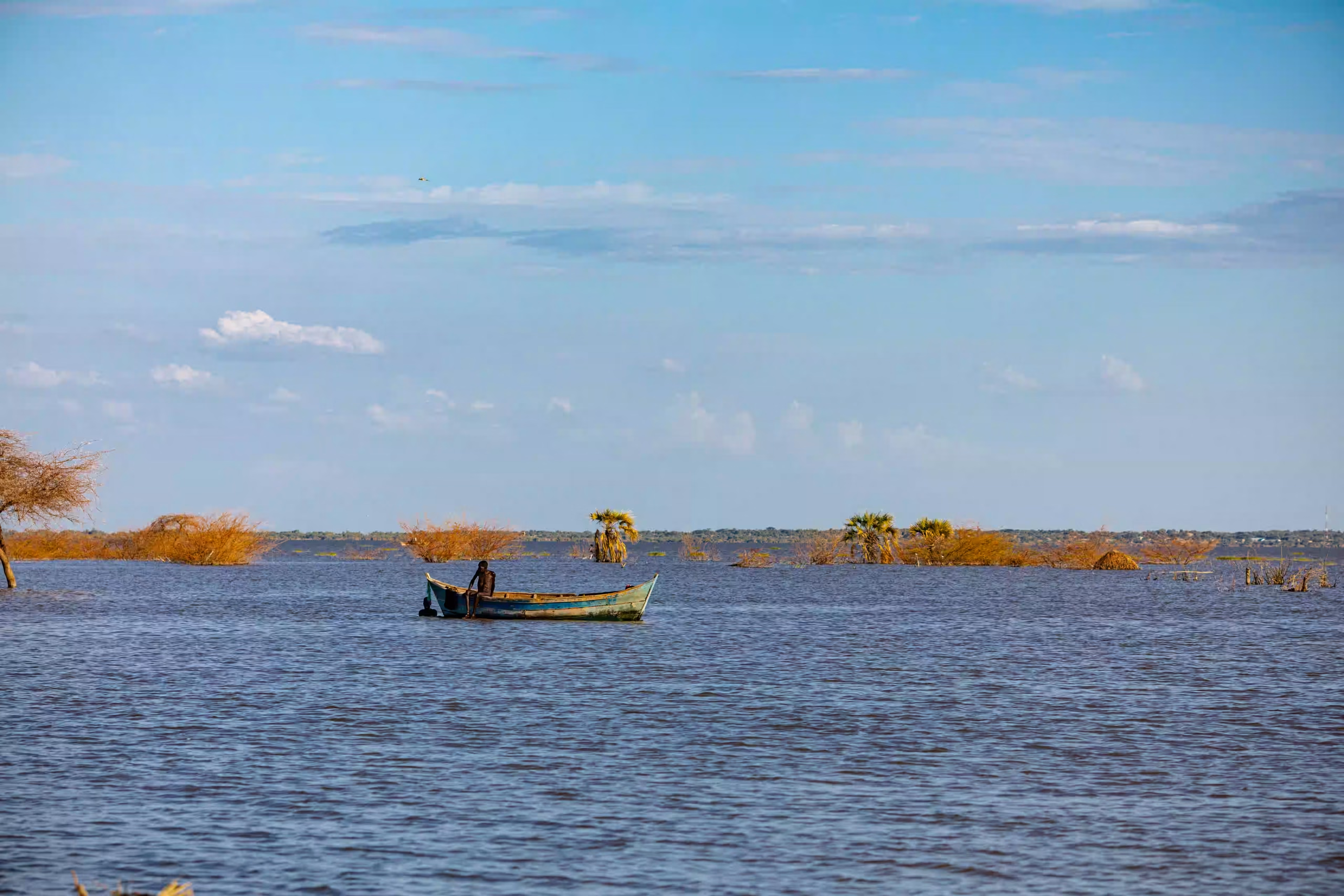
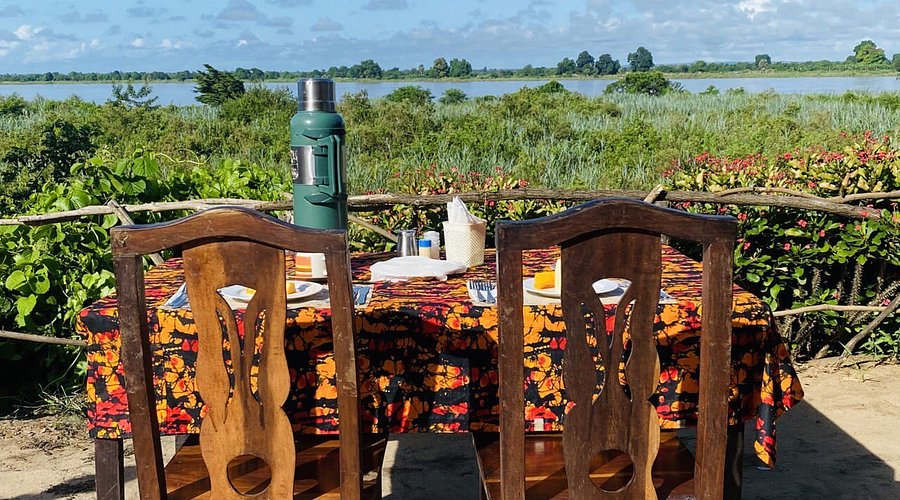
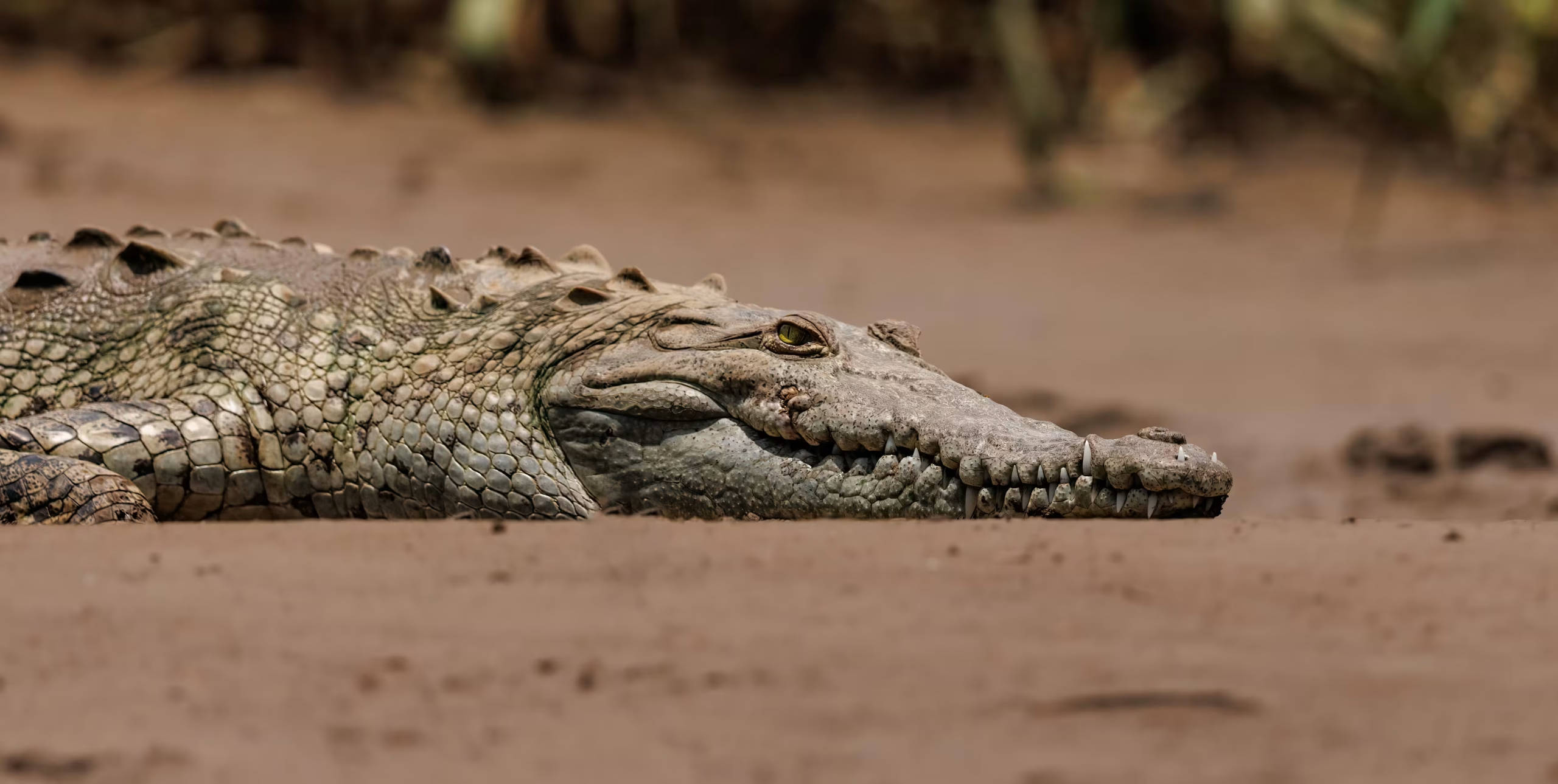
What sets Nyerere apart is the chance to safari beyond the vehicle. A boat safari on the Rufiji River is a magical, gentle experience — drifting past pods of hippo, enormous crocodiles basking on sandbanks, elephants drinking at the water’s edge and a dazzling array of waterbirds, all in the golden light of late afternoon.
Equally special are the walking safaris, led by an armed ranger and expert guide, which reveal the smaller wonders of the bush — tracks, plants, insects and the thrill of being on foot in big-game country. Together, these water- and land-based experiences make a Nyerere safari uniquely varied and immersive.
There is something uniquely peaceful about experiencing the wild from the water. Gliding quietly along the river, you come across animals utterly at ease — unbothered by the boat in a way they rarely are by a vehicle — and the changing light on the water, the birdlife along the banks and the sheer stillness make a Rufiji boat safari as beautiful as it is thrilling.
The great gift of the south is space. Nyerere’s sheer size and remoteness mean wildlife roams freely across an untamed landscape of river, lake, woodland and palm-fringed channels, with very few vehicles to share it. Sightings feel earned and private, and there is a genuine sense of adventure and discovery here that the busier parks can lack.
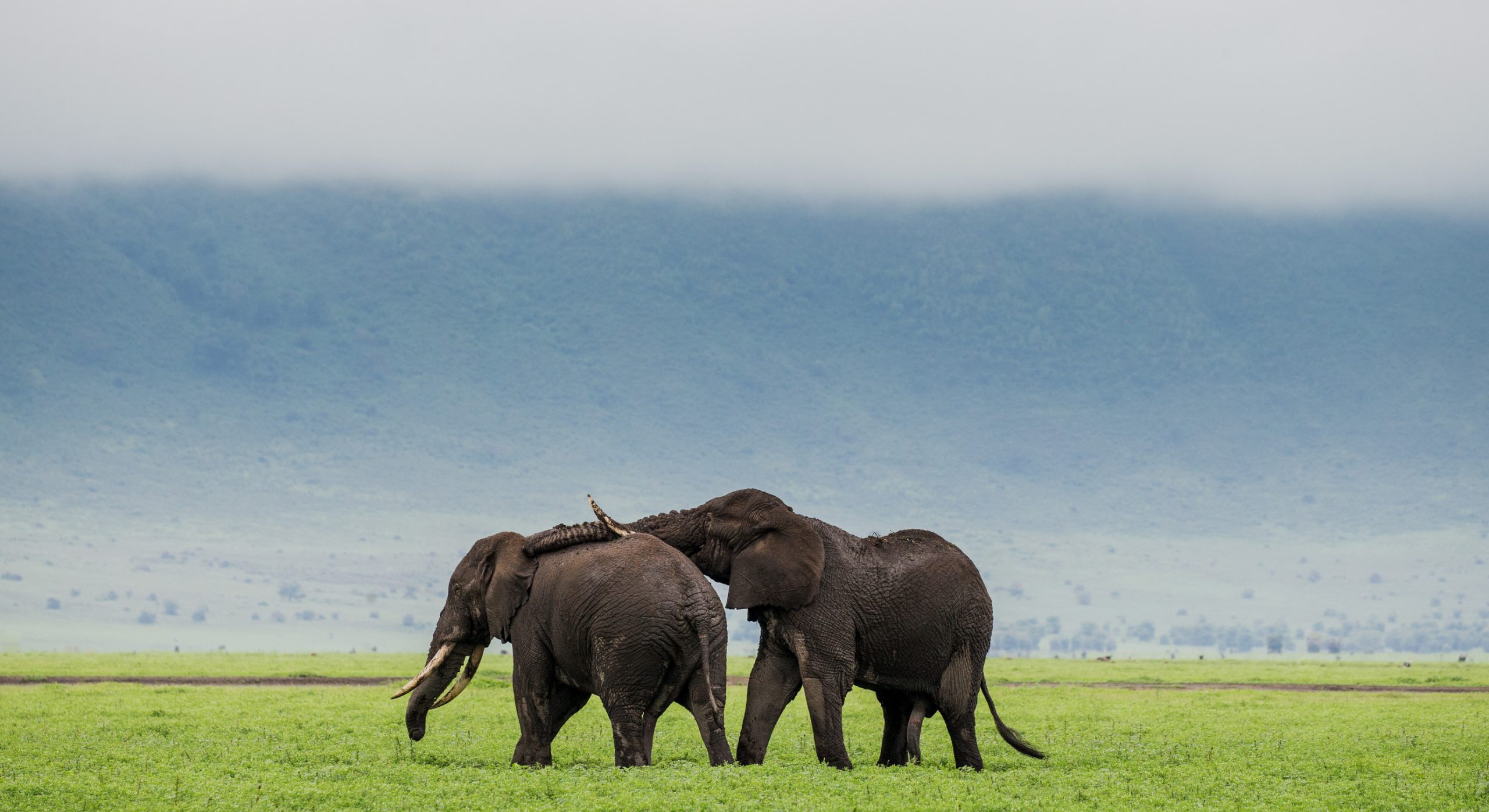
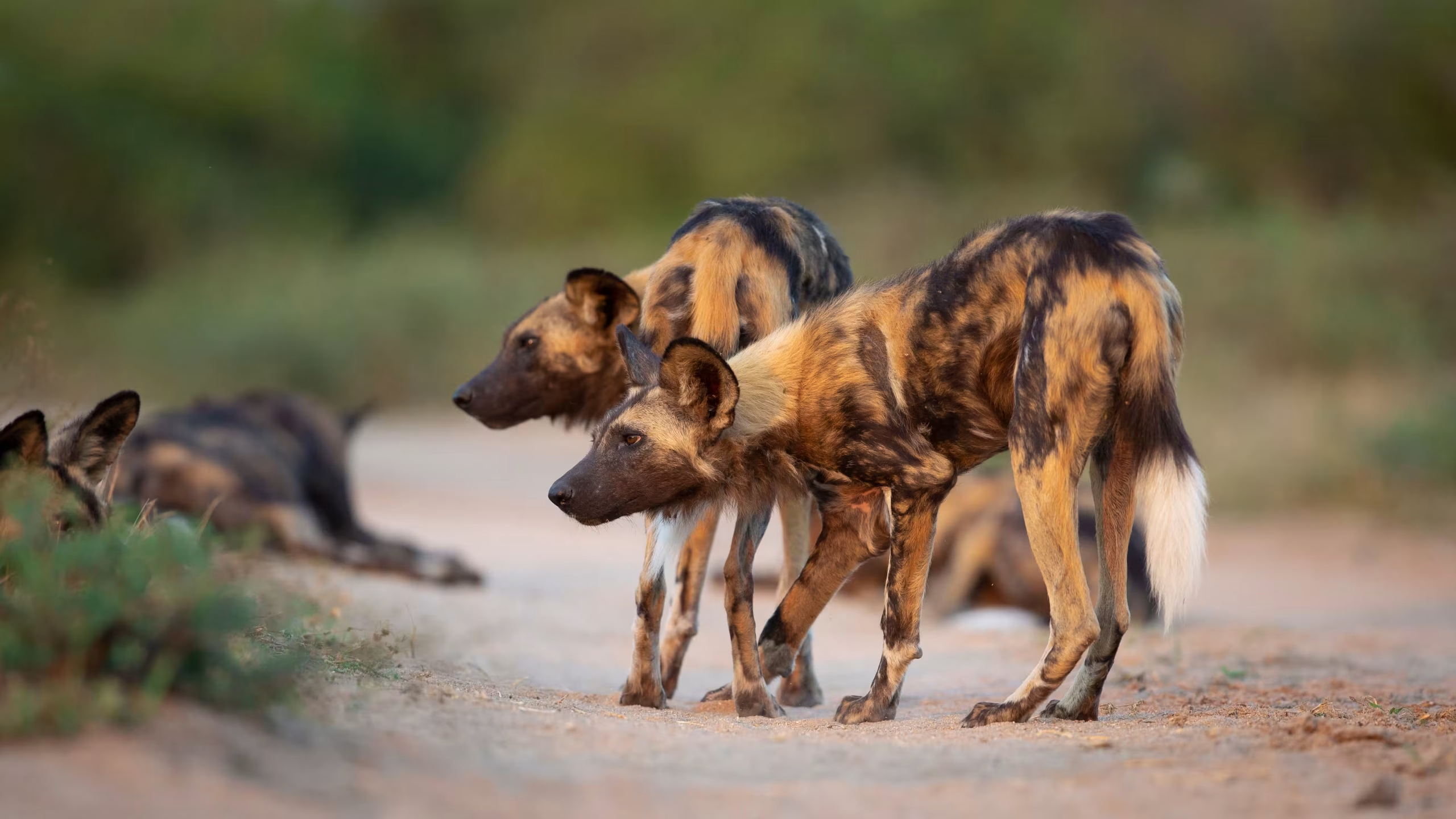
It is also one of the best places in Africa to see the endangered African wild dog, alongside large numbers of elephant, buffalo, giraffe and hippo, and healthy populations of lion and leopard. For the true safari connoisseur, the wild, uncrowded south is where Tanzania’s soul lies.

Few parks offer such a rich variety of ways to explore — by land, by water and on foot.
Drift the Rufiji River past hippos, crocodiles, elephants and waterbirds — a magical highlight.
Enquire →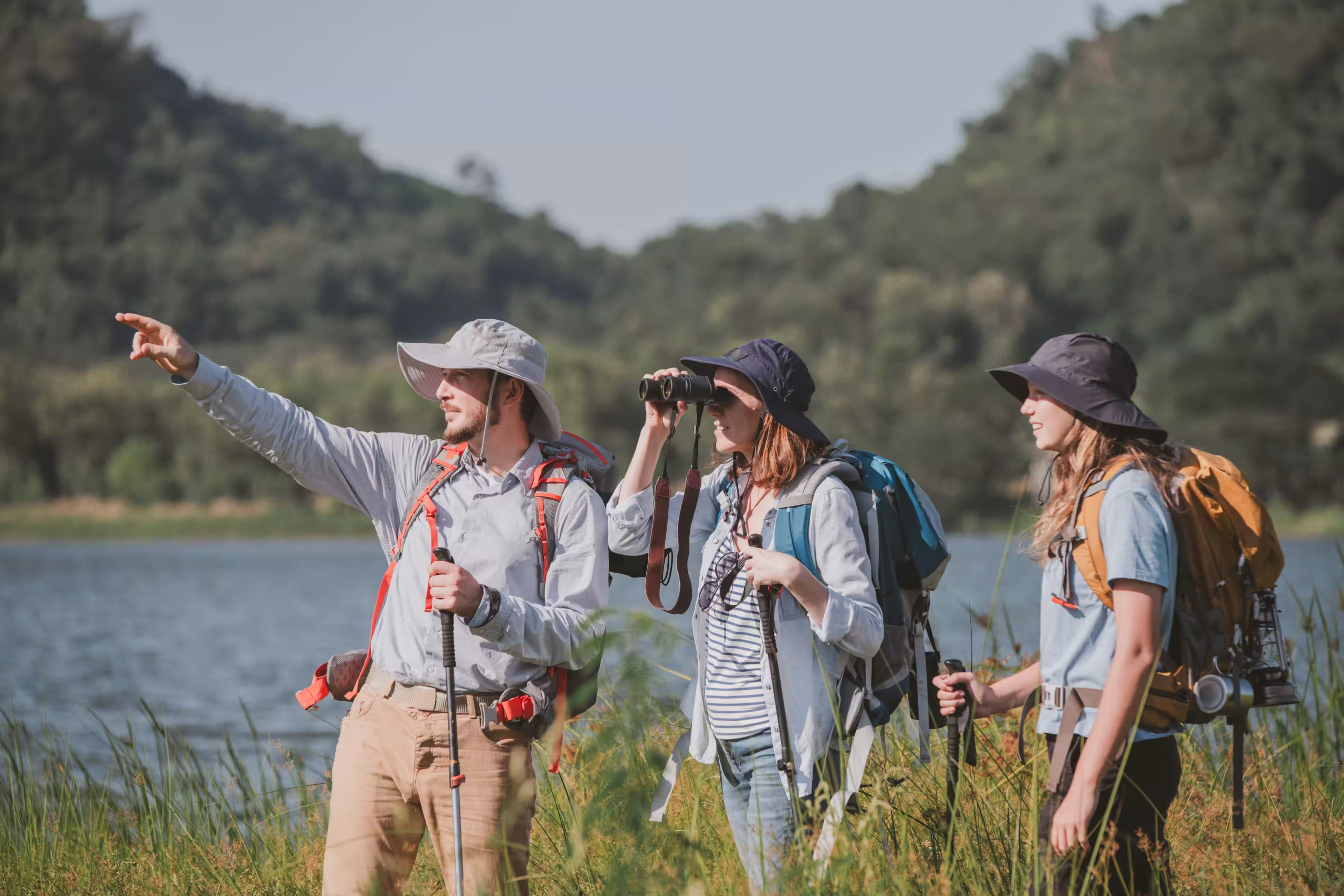
Explore the wild on foot with an armed ranger for an intimate, adventurous connection with the bush.
Enquire →
Traverse a vast, uncrowded wilderness in search of wild dogs, big cats, elephant and more.
Enquire →
For the adventurous, spend a night under canvas and stars in the heart of the wilderness.
Enquire →
The mighty Rufiji — the largest river in Tanzania — is the beating heart of Nyerere, spreading into a labyrinth of channels, oxbow lakes and sandbanks that draw wildlife from across the park. At sunset, with hippos grunting, fish eagles calling and the water turning to molten gold, a boat safari on the Rufiji is one of the most peaceful and beautiful experiences in all of Africa.
Start PlanningAccommodation in Nyerere is characterful and wonderfully remote — a handful of tented camps and lodges set along the Rufiji River and its lakes, from comfortable and authentic to genuinely luxurious. Falling asleep to the sound of hippos and waking to birdsong over the water is all part of the magic.
Because the camps are river-based, most offer the full range of boat, walking and driving safaris right from your doorstep. Numbers are low and the atmosphere intimate, which is exactly the point. We know these camps well and match you to the right one for your style and budget, and handle the flights and transfers into the remote south.
Nyerere is reached by a short light-aircraft flight from Dar es Salaam or Zanzibar, and we handle the flights and transfers into the remote south. Because it is so easily reached from the coast, it combines beautifully with a Zanzibar beach stay, or with Ruaha for a wilder southern safari — and we build the whole journey into one seamless itinerary.