You don’t need to be an athlete to climb Kilimanjaro — but you do need to be reasonably fit and well prepared. Here’s how to train for the Roof of Africa, and arrive at the mountain ready for the challenge.
Kilimanjaro is a trek, not a technical climb — there are no ropes, ice axes or mountaineering skills required. But make no mistake: it is a serious physical challenge. You’ll walk for six to eight hours a day for several consecutive days across five climate zones, culminating in a long, cold summit night that pushes your endurance and resolve to the limit, all while your body copes with thinning air.
The good news is that ordinary, reasonably fit people reach the summit every day. Success depends far more on preparation, pacing and acclimatisation than on raw athletic ability. The fitter and better trained you are, the more you’ll enjoy the experience, the better you’ll handle the altitude, and the more you’ll have in reserve for that final push to Uhuru Peak.
It is worth saying that training for Kilimanjaro is genuinely achievable alongside everyday life — you do not need a gym membership or a coach, just consistency and a sensible build-up over a couple of months. Many of our climbers are ordinary people with busy jobs who simply put in the preparation, and the sense of achievement at the summit is all the greater for it.
We recommend beginning a focused training programme at least two to three months before your climb, built around cardiovascular fitness, hiking practice, and leg and core strength. Below, we break down exactly how to prepare.

The heart of your preparation is cardiovascular endurance — the stamina to keep walking, hour after hour, day after day, on less oxygen than you’re used to. Aim to build a solid aerobic base through regular activity several times a week: brisk walking, running, cycling, swimming, rowing or stair-climbing all help.
The single best cardio training, though, is hiking itself — ideally uphill and over varied terrain. Gradually increase the duration and difficulty of your sessions over the weeks, and try to include some longer efforts of several hours to prepare your body for the sustained days on the mountain. If you can train at altitude or on hills, so much the better.
Nothing prepares you for climbing a mountain quite like climbing hills. The closer your training mimics the real thing, the better, so make regular day hikes the cornerstone of your preparation. Walk over hilly, uneven ground, carrying the daypack you’ll use on the mountain, loaded to a realistic weight, so your body and your feet get used to the demands.
As your climb approaches, try to include some back-to-back hiking days — long walks on consecutive days — to replicate the cumulative fatigue of a multi-day trek. This is also the perfect opportunity to test and break in your boots and kit, and to practise using trekking poles, which take real strain off your legs on both the ascent and the long descent.
You don’t need a complicated regime — consistency is what matters. A straightforward build-up over two to three months might look something like this:
Alongside the cardio and hiking, simple strength work — squats, lunges, step-ups and core exercises — prepares your legs for the long ascents and, especially, the steep, knee-testing descent. Adapt the plan to your own starting fitness, and always build up gradually to avoid injury.

The hardest part of any Kilimanjaro climb is the summit night. Setting off around midnight, you climb slowly by headtorch through intense cold and darkness for six to eight hours, reaching Uhuru Peak around sunrise — a demanding push at extreme altitude on tired legs and little sleep.
No amount of training removes the challenge, but arriving fit, well-rested and well-acclimatised makes all the difference between enjoying it and enduring it. This is also where mental preparation comes in: a calm, patient, determined mindset is one of the most valuable things you can bring. Our guides pace the ascent carefully, encourage you every step of the way, and are there to support you to the summit and safely back down.
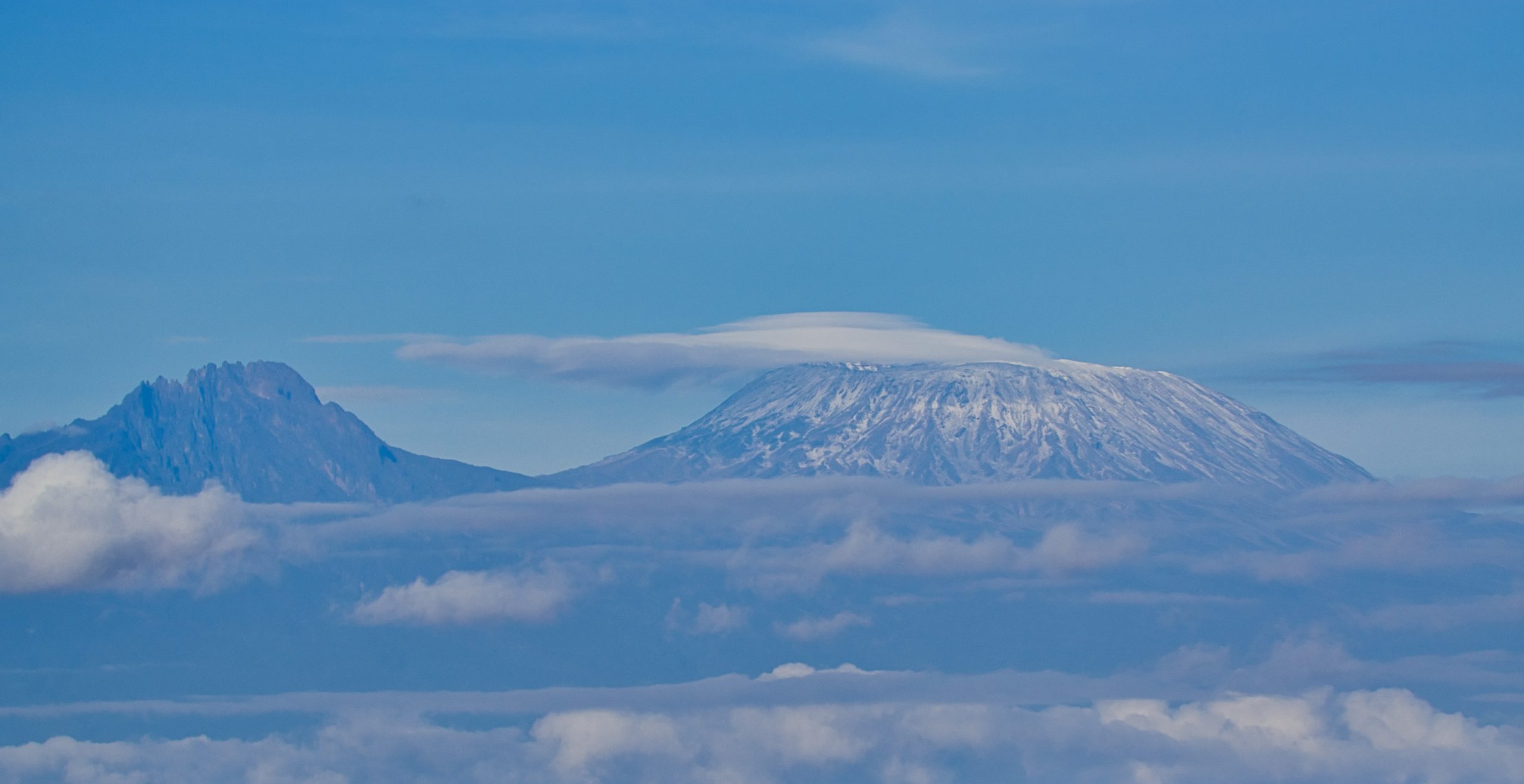
In the weeks before you fly, a few final steps will help you arrive at the mountain in the best possible shape. It is wise to have a medical check-up and discuss your climb with your doctor — particularly regarding altitude and any medication such as Diamox — and to make sure your routine vaccinations and any recommended travel-health measures are up to date.
This is also the time to thoroughly break in your boots on your training hikes, test all your kit, and taper your training in the final week so you arrive rested rather than fatigued. Above all, prepare your mind: Kilimanjaro is as much a mental challenge as a physical one, and going in with patience, a positive outlook and a determination to take it “pole pole” is one of the best things you can do. Arrive fit, rested and ready, and you will give yourself every chance of enjoying the climb and reaching the summit — with our team beside you every step of the way.

Put in the training, break in your boots, and prepare your mind, and you give yourself the very best chance of standing on the roof of Africa. Kilimanjaro rewards steady, patient determination far more than speed or raw strength — and with the right preparation and an experienced team beside you, the summit is a genuinely achievable goal.
Start Planning


“The months of hill walking with a full pack made all the difference — on summit night my legs just kept going. Preparation got me to the top.”
Anna & Tomas K., GermanyIt is strongly discouraged — while no technical skills are needed, the sustained days of walking and the demanding summit night make good preparation important for both your enjoyment and your safety. A couple of months of consistent training makes an enormous difference to how you cope.
You should be reasonably fit and able to hike for six to eight hours on consecutive days. You don’t need to be an athlete, but the fitter and better prepared you are, the more you’ll enjoy the climb and the better you’ll handle the altitude.
We recommend a focused training programme of at least two to three months, building gradually from a base of regular cardio and strength work to longer hikes with a loaded pack, then tapering in the final week to arrive fresh.
Hiking itself — ideally uphill, over varied terrain, carrying your daypack, and on consecutive days as you build up. Supplement this with cardio (walking, running, cycling, stairs) and leg and core strength work.
No — Kilimanjaro is a high-altitude trek, so no ropes, ice axes or mountaineering skills are required. Reasonable fitness, good preparation and proper acclimatisation are what count.
Very — especially for the long, cold summit night. A calm, patient and determined mindset is one of the most valuable things you can bring, and our guides encourage and support you every step of the way.
Tell us your dates and how fit you're feeling, and we'll help you train up and choose a route that gives you the best chance of standing on top.