wondernest travel

Endless Serengeti plains at golden hour with acacia trees and wildlife — 2400×1400
Northern Tanzania · Serengeti National Park

The Serengeti

Endless golden plains, the greatest wildlife show on the planet, and a lion or cheetah around what feels like every corner. If there's one place that turns a holiday into the trip of a lifetime, it's here — and we'd love to take you.

IThe Heart of the Safari World

The Land That Runs Forever

Stretching across some 14,750 square kilometres of northern Tanzania, the Serengeti is the oldest and most celebrated wildlife sanctuary on the planet — a UNESCO World Heritage Site and the beating heart of the world’s greatest safari region. Its name comes from the Maasai word Siringet — “the land that runs on forever” — and honestly, the first time you stand out there at dawn, with grass reaching unbroken to every horizon, the name makes perfect sense. It's one of those places that stops you in your tracks. Here's exactly what they meant.

This is the stage for the Great Migration, the largest overland movement of animals anywhere on Earth, and home to some of the highest concentrations of predators in Africa. But the Serengeti is far more than the migration. It is a living, breathing ecosystem of open plains, wooded rivers, granite outcrops and rolling hills, supporting an astonishing density of wildlife year-round — from the great herds to the big cats that follow them, and thousands of other species besides.

For first-time visitors and seasoned safari-goers alike, the Serengeti delivers the definitive African experience. Because the park is enormous and the wildlife moves with the seasons, where you stay and when you visit matters enormously — and that is exactly where our local knowledge comes in. We position you in the right region at the right time, so the action comes to you.

Thousands of wildebeest crossing a river during the Great Migration
Thousands of wildebeest crossing a river during the Great Migration — 1000×750
The Great Migration

A River of Life on the Move

Every year, over 1.5 million wildebeest, together with hundreds of thousands of zebra and gazelle, move in a vast circular journey through the Serengeti–Mara ecosystem in search of fresh grazing and water. It's hard to put into words just how big it feels — a living river of animals stretching as far as you can see, with lion, cheetah, hyena and wild dog never far behind. We'll make sure you're in the right spot to witness it.

The migration’s most dramatic moments are the river crossings, when the herds mass on the banks of the Grumeti and Mara rivers and plunge, in their thousands, through crocodile-infested waters. Equally moving is the calving season on the southern plains, when hundreds of thousands of wildebeest are born within a few short weeks. Wherever the herds are, we time your safari and position your camps to place you at the heart of it.

The greatest wildlife show on Earth  ·  present in the Serengeti year-round
IIMigration Calendar

Following the Herds Month by Month

The migration is a continuous, year-round cycle — there is no “off” season, only different chapters. Here is roughly where the herds are through the year, and what to expect. Exact timing shifts with the rains, so we plan your trip around the latest movements.

MonthsRegion of the SerengetiWhat’s happening
Dec – MarSouthern plains (Ndutu area)Calving season (Jan–Feb): huge herds gather on short-grass plains; predator action at its peak
Apr – MayCentral Serengeti, moving north-westThe long rains; herds begin moving; lush green landscapes and fewer crowds
JunWestern Corridor (Grumeti)Grumeti River crossings; herds mass along the river as the dry season begins
Jul – AugNorthern Serengeti (Kogatende)The famous Mara River crossings begin — dramatic, unpredictable and unforgettable
Sep – OctFar north / Mara RiverPeak crossing season; the classic image of the migration in full drama
NovMoving back southShort rains draw the herds south again, completing the great circle
Wildlife

Big Cats & the Big Five

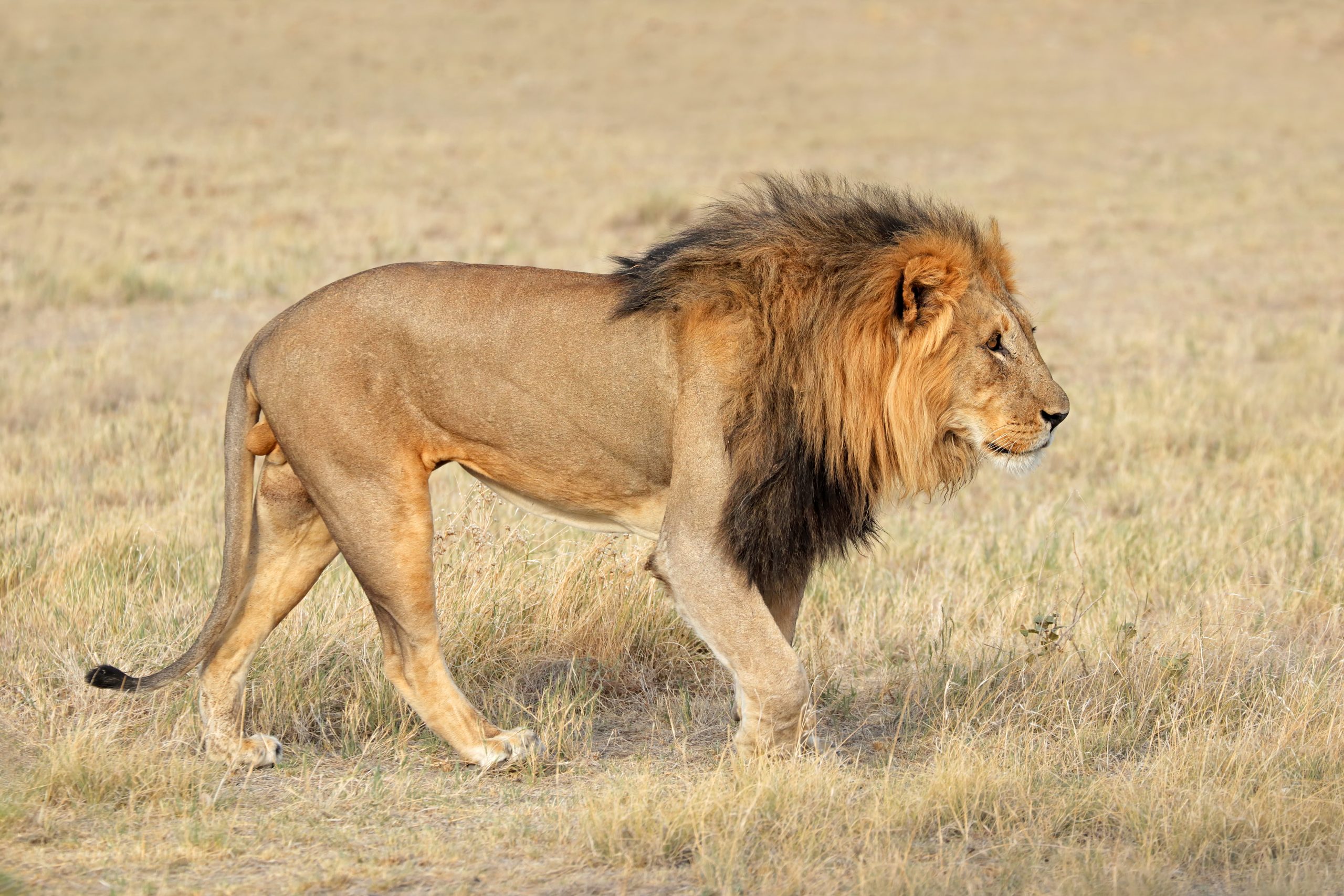
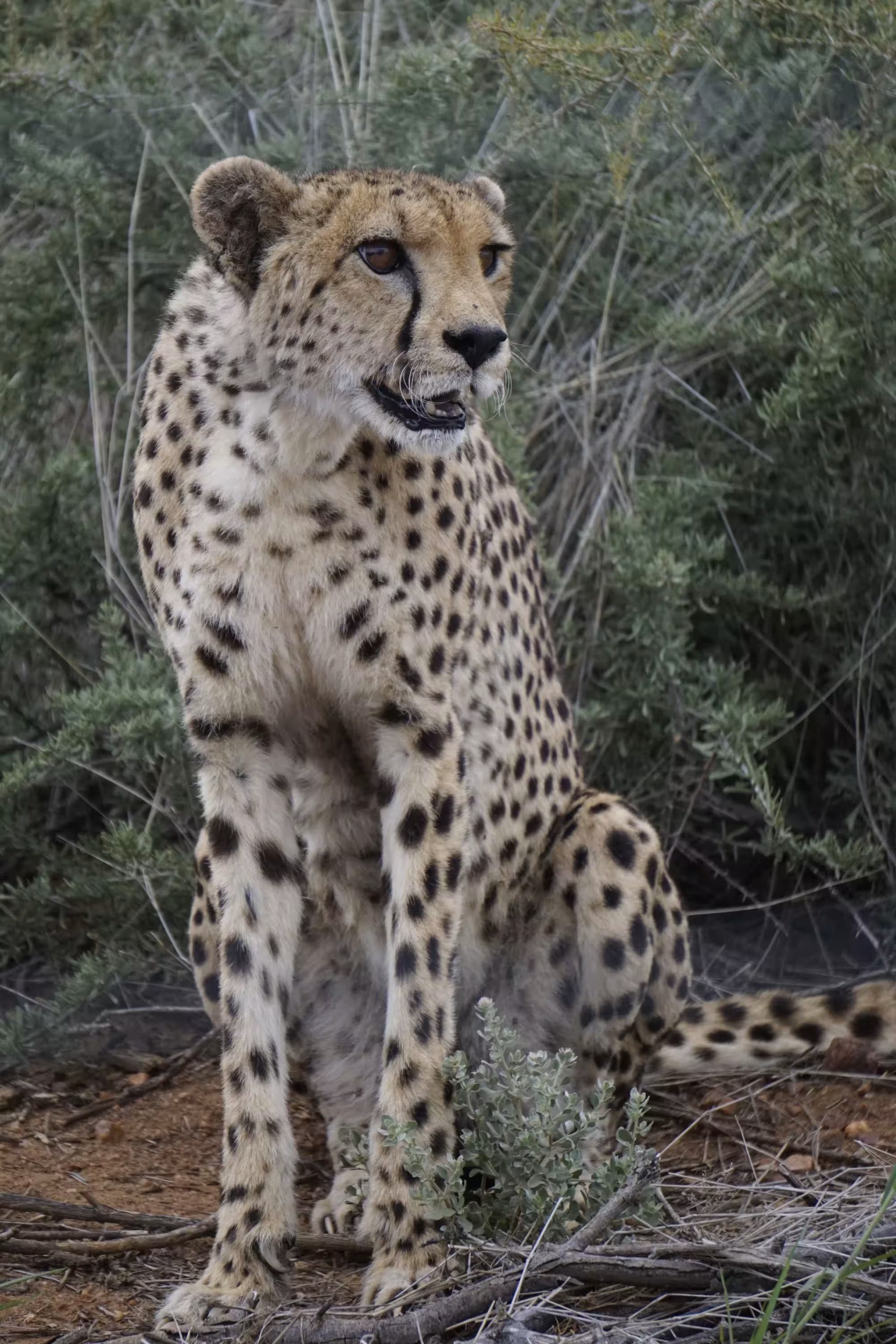
Beyond the migration, the Serengeti rewards at any time of year with some of the finest big-cat viewing on the continent. Prides of lion — the park is home to well over three thousand — drape themselves across granite kopjes and shady riverbanks. Leopards lounge in the sausage trees along the Seronera River. And on the open short-grass plains, cheetahs hunt in the golden light, built for the chase across this perfect terrain.

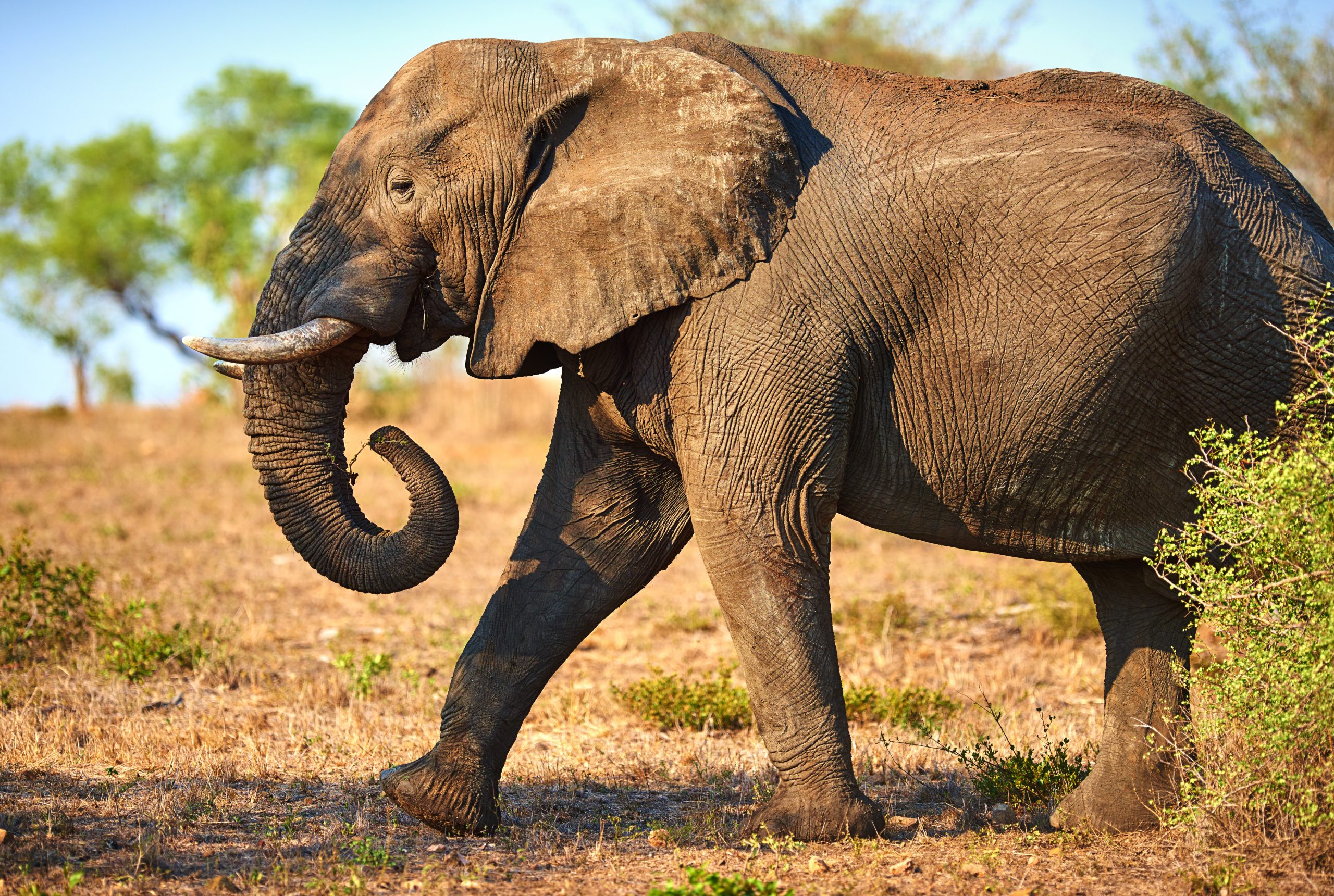
The Serengeti is also prime Big Five country: alongside lion and leopard, you’ll find elephant, buffalo and, with luck and a good guide, the elusive rhino. Add giraffe, hippo, crocodile, countless antelope and more than 500 species of bird, and every game drive brings something new. Our born-and-raised guides know exactly where to look — and how to position you for the moments that matter.

Best for: lion, leopard, cheetah, the Big Five  ·  When: year-round
Lion pride resting on a granite kopje in the Serengeti
Lion pride resting on a granite kopje in the Serengeti — 1000×750
IIIKnow the Park

The Regions of the Serengeti

The Serengeti is vast, and each region offers a distinct experience. Understanding them is the key to a great safari — and to being in the right place at the right time.

  • Central Serengeti (Seronera). The classic heart of the park, superb for resident wildlife year-round — especially big cats along the Seronera River. A reliable, rewarding base at any time of year.
  • Northern Serengeti (Kogatende / Lobo). The stage for the Mara River crossings from around July to October, and wonderfully wild and quiet the rest of the year. This is where the migration’s most dramatic scenes unfold.
  • Southern Serengeti (Ndutu). Vast short-grass plains that host the calving season from December to March, when the herds gather in their hundreds of thousands and predators are never far behind.
  • Western Corridor (Grumeti). A tongue of land following the Grumeti River towards Lake Victoria, best known for the June river crossings and its resident giant crocodiles.

Many of our itineraries combine two regions, or pair the Serengeti with the neighbouring Ngorongoro Crater, to make the most of this extraordinary landscape.

Lone acacia tree silhouetted against a dramatic Serengeti sunset
Lone acacia tree silhouetted against a dramatic Serengeti sunset — 2400×1400
Endless Plains

Scenery That Stretches to the Horizon

Beyond the wildlife, it is the sheer scale of the Serengeti that stays with you — grassland running unbroken to the edge of the world, lone acacia trees silhouetted against enormous skies, and ancient granite kopjes rising like islands from the plains. Sunrise and sunset here are among the most beautiful you will ever witness, the whole landscape glowing gold then deep amber as the light fades and the nocturnal world stirs.

Start Planning
IVThings to Do

Ways to Experience the Serengeti

There are so many ways to enjoy the Serengeti, and we'll shape your days around what excites you most. Here are the ones our travellers rave about — and we can weave any of them into your trip.

Safari vehicle watching lions on a Serengeti game drive

Game Drives

Morning and afternoon drives with an expert guide in an open 4x4 & mdash; the classic, endlessly rewarding way to explore the plains.

Enquire →
Hot air balloon drifting over the Serengeti at dawn

Balloon Safari

Drift silently over the plains at sunrise, then land to a champagne bush breakfast — the ultimate Serengeti splurge.

Enquire →
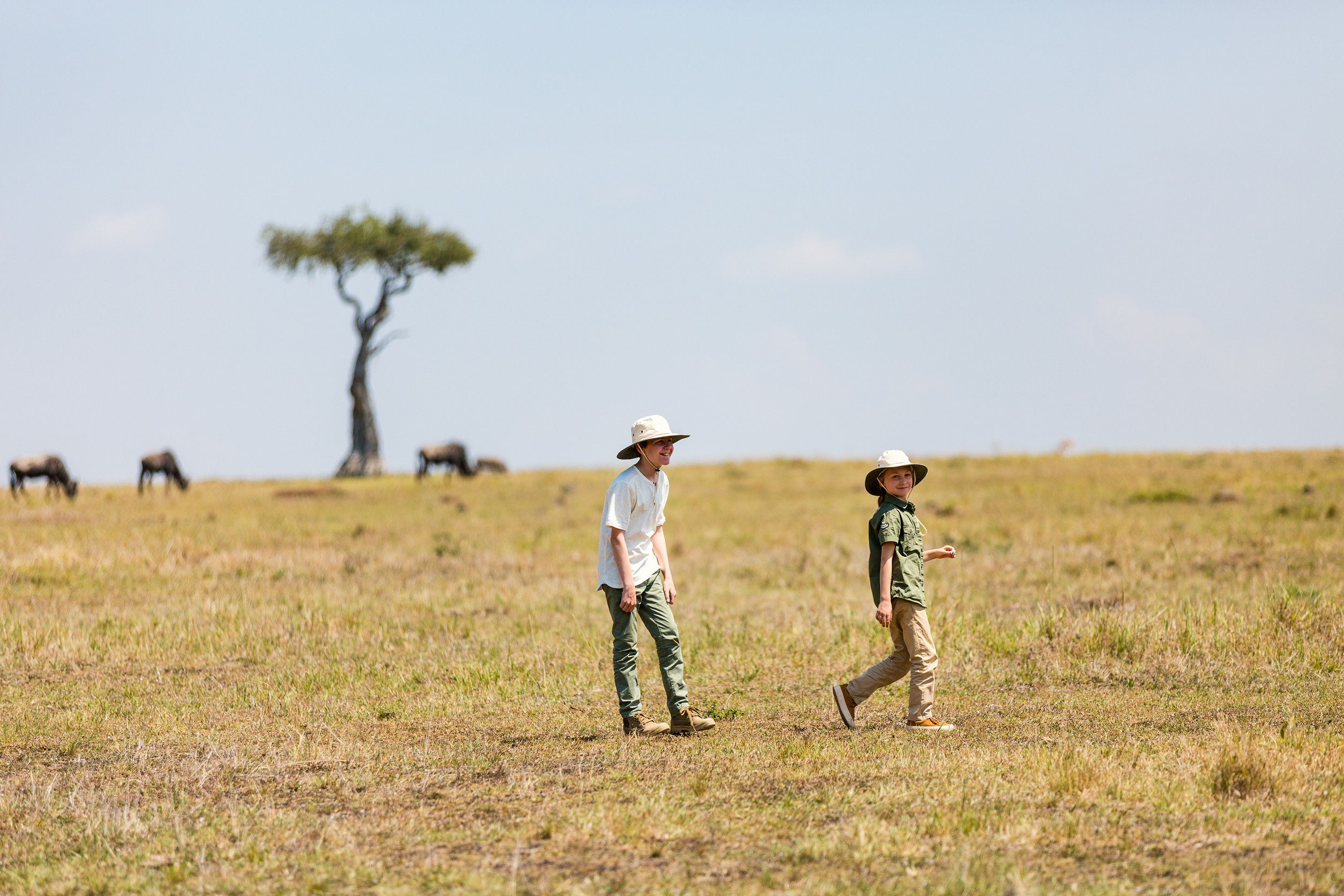
Guests on a guided walking safari through the grass

Walking Safari

In select areas, explore the bush on foot with an armed ranger for a slower, more intimate connection with the wild.

Enquire →
Wildebeest crossing a river during the Great Migration

Witness the Migration

Time your visit and camps to the herds’ movements for the river crossings or the calving season.

Enquire →
VWhen to Go

The Best Time to Visit the Serengeti

The wonderful truth about the Serengeti is that there is no bad time to visit — only different experiences. Because resident wildlife is superb year-round and the migration never stops, your ideal timing depends on what you most want to see.

The dry season (late June to October) is the classic window: wildlife concentrates around water, the bush thins for easier viewing, and the famous Mara River crossings usually take place in the north between July and October. This is peak season, and for good reason. The green season (November to March) brings lush landscapes, beautiful light and fewer vehicles — and December to March is calving season on the southern plains, one of the most extraordinary wildlife events of all. The long rains (April and May) are the quietest and best value, with dramatic skies and a green, glorious Serengeti, though occasional showers and muddy tracks come with the territory.

Whatever the month, we know precisely where the herds and the predators are likely to be — and we build your itinerary around it.

Where to Stay

Camps & Lodges for Every Style

Accommodation in the Serengeti ranges from authentic mobile tented camps that follow the migration, to comfortable permanent lodges and genuinely luxurious retreats with pools and sweeping views. The right choice depends on your budget, your style and, crucially, the season & mdash; a camp perfectly placed for the July crossings may be in the wrong region come February.

This is exactly where having a local team pays off. We've stayed in these camps ourselves and know them personally & mdash; where they sits, their strengths and their quirks & mdash; and we match them carefully to your trip, so that wherever the wildlife is, you are right there with it. From an intimate mobile camp under canvas to a five-star lodge on a hilltop, we& rsquo;ll find the perfect base for your Serengeti adventure.
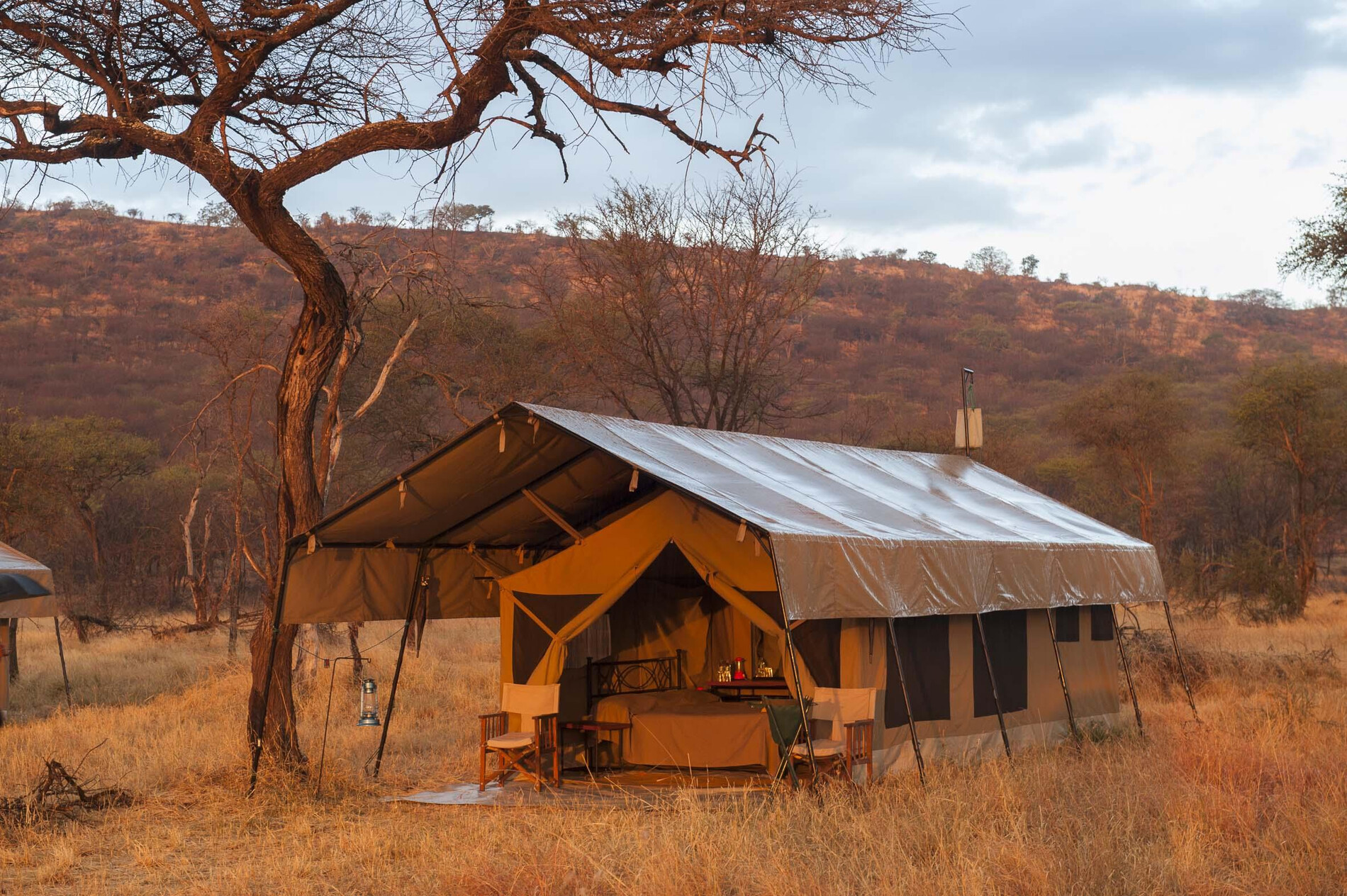
From mobile tented camps to luxury lodges & nbsp;& middot;& nbsp; positioned for the season
Luxury tented camp overlooking the Serengeti plains at dusk
Luxury tented camp overlooking the Serengeti plains at dusk — 1000×750
VIGallery

The Serengeti in Pictures

“We watched the river crossing at dawn and simply could not speak. WonderNest put us in exactly the right place at exactly the right time — it was the greatest thing we have ever seen.”

Emma & David L., United Kingdom
VIIGood to Know

Serengeti FAQ

We usually recommend at least two to three nights to do the park justice, and more if you want to explore several regions or follow the migration. The Serengeti also combines beautifully with the Ngorongoro Crater and Tarangire for a rounded five-to-seven-day northern safari.

The migration is in the Serengeti all year — it simply moves. For the dramatic Mara River crossings, aim for July to October in the north; for the calving season and superb predator action, December to March on the southern plains. We plan your dates and camps around the latest herd movements.

River crossings are one of nature’s most thrilling but unpredictable events — the herds cross when they choose, not on a schedule. What we can do is maximise your chances by timing your visit to peak crossing season and placing you in a camp right by the crossing points, with a patient expert guide.

Most travellers reach the Serengeti by a short, scenic light-aircraft flight from Arusha or another park, or overland by 4x4 via the Ngorongoro Crater — a spectacular drive in itself. We arrange all flights, transfers and park entry, and coordinate the timings seamlessly.

Absolutely — and most of our travellers do. The Serengeti pairs perfectly with the Ngorongoro Crater, Tarangire and Lake Manyara on a northern-circuit safari, and can be followed by a relaxing beach finale on Zanzibar. We build it all into one seamless journey.

Begin the Journey

Ready to Experience the Serengeti?

Just tell us when you'd like to go and what you're most hoping to see, and we'll put together a Serengeti safari made around you — timed and placed to catch the very best of the wildlife.

Loading itinerary…
Saved Trips