wondernest travel

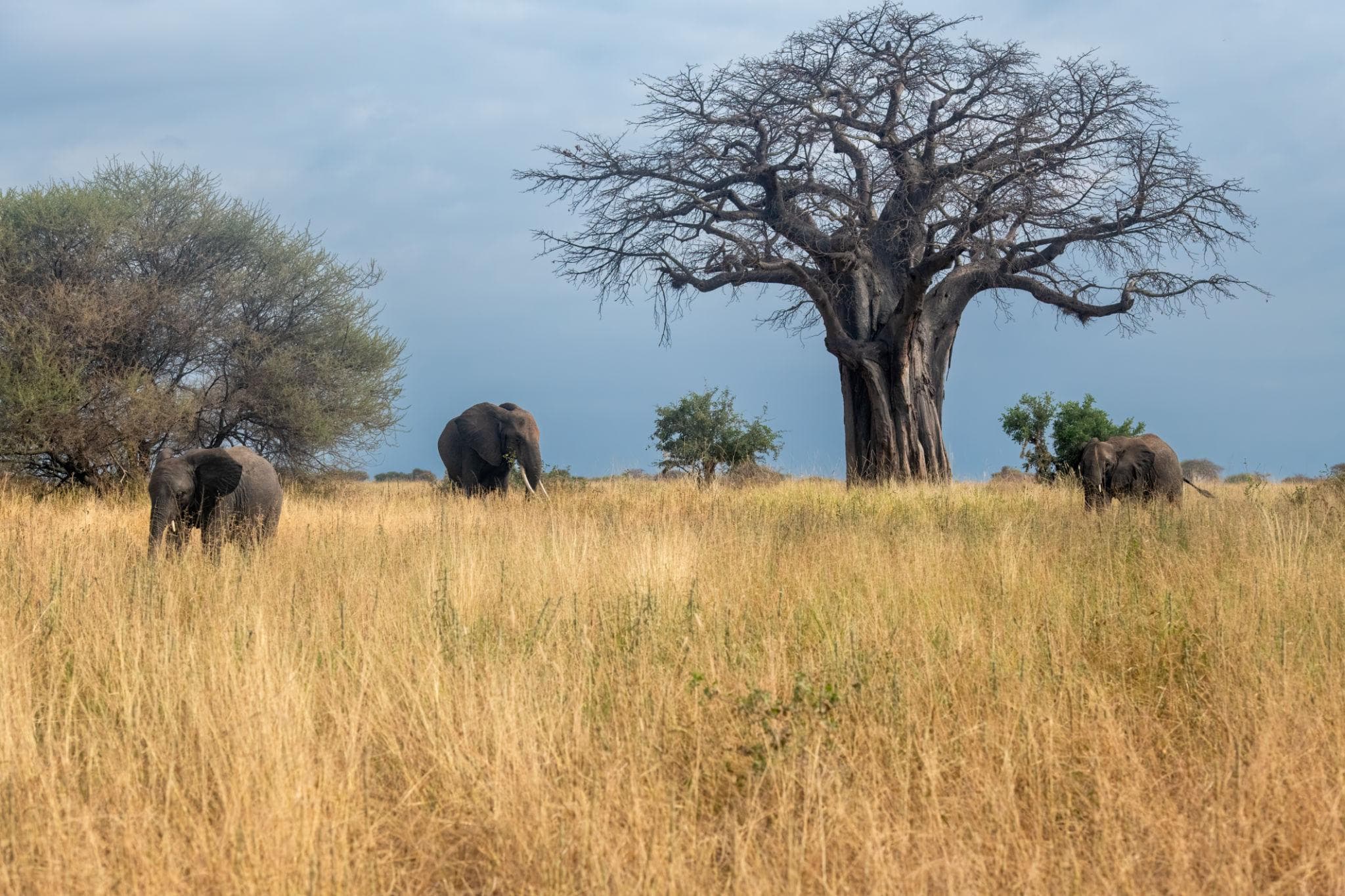
Elephant herd among giant baobab trees in Tarangire at golden hour — 2400×1400
Northern Tanzania · Tarangire National Park

Tarangire National Park

Ancient baobabs, vast elephant herds and a river that draws wildlife from miles around. Often overlooked in the rush north, Tarangire is one of our favourites — wonderfully wild, beautifully scenic and blissfully uncrowded.

IThe Overlooked Gem

A Landscape of Giants

Covering some 2,850 square kilometres in the heart of the northern circuit, Tarangire is a park of striking character — a rolling landscape of golden savannah studded with giant, ancient baobab trees, some more than a thousand years old, their swollen trunks like something from a storybook. Winding through it all is the Tarangire River, the park’s lifeblood and the reason for its extraordinary dry-season wildlife.

As water sources shrink across the wider region between June and October, animals converge on the river in remarkable numbers, and Tarangire comes into its own. It is best known above all for its elephants — which gather here in some of the largest herds in Tanzania, often hundreds strong — but you’ll also find lion, leopard, buffalo, giraffe, zebra and an exceptional variety of birdlife.

Because it sits a little off the main Serengeti route, Tarangire sees far fewer vehicles than its famous neighbours, making it a superb, peaceful start or finish to a northern safari — and a firm favourite of ours.

The park’s character changes as you explore it, from the dense woodland and swamps of the south to the open, baobab-dotted plains along the river. This variety supports an unusually rich mix of wildlife and means every drive feels different — a place that rewards those who slow down and look closely, as well as those simply there for the great herds.

Large elephant herd drinking at the Tarangire River
Large elephant herd drinking at the Tarangire River — 1000×750
The Elephants

Land of the Giant Herds

If Tarangire is famous for one thing, it is elephants. In the dry season the park hosts one of the highest concentrations of elephants in Tanzania, with breeding herds of a hundred or more moving down to the river to drink, bathe and dig for water in the dry sand — an unforgettable sight, and wonderful for photography.

Watching these great herds against a backdrop of baobabs and golden grass, with youngsters splashing and playing at the water’s edge, is the quintessential Tarangire experience. Predators are never far behind: lions rest in the shade, and leopards haunt the riverine trees.

It is not only the numbers that make Tarangire’s elephants special, but the intimacy of the encounters. Along the river you can often sit quietly and simply watch a herd for as long as you like — matriarchs shepherding their young, calves learning to use their trunks, teenagers sparring in the shallows — with barely another vehicle in sight. These are the unhurried, close-up moments that stay with you long after the trip is over.

Best for: elephants, big herds, photography  ·  When: Jun–Oct
Birdlife

A Birder’s Paradise

Tarangire is one of the finest birding destinations in Tanzania, with more than 550 recorded species — a roll-call that draws enthusiasts from around the world. The swamps in the south are especially rich, and the mix of savannah, river and woodland supports an incredible variety.

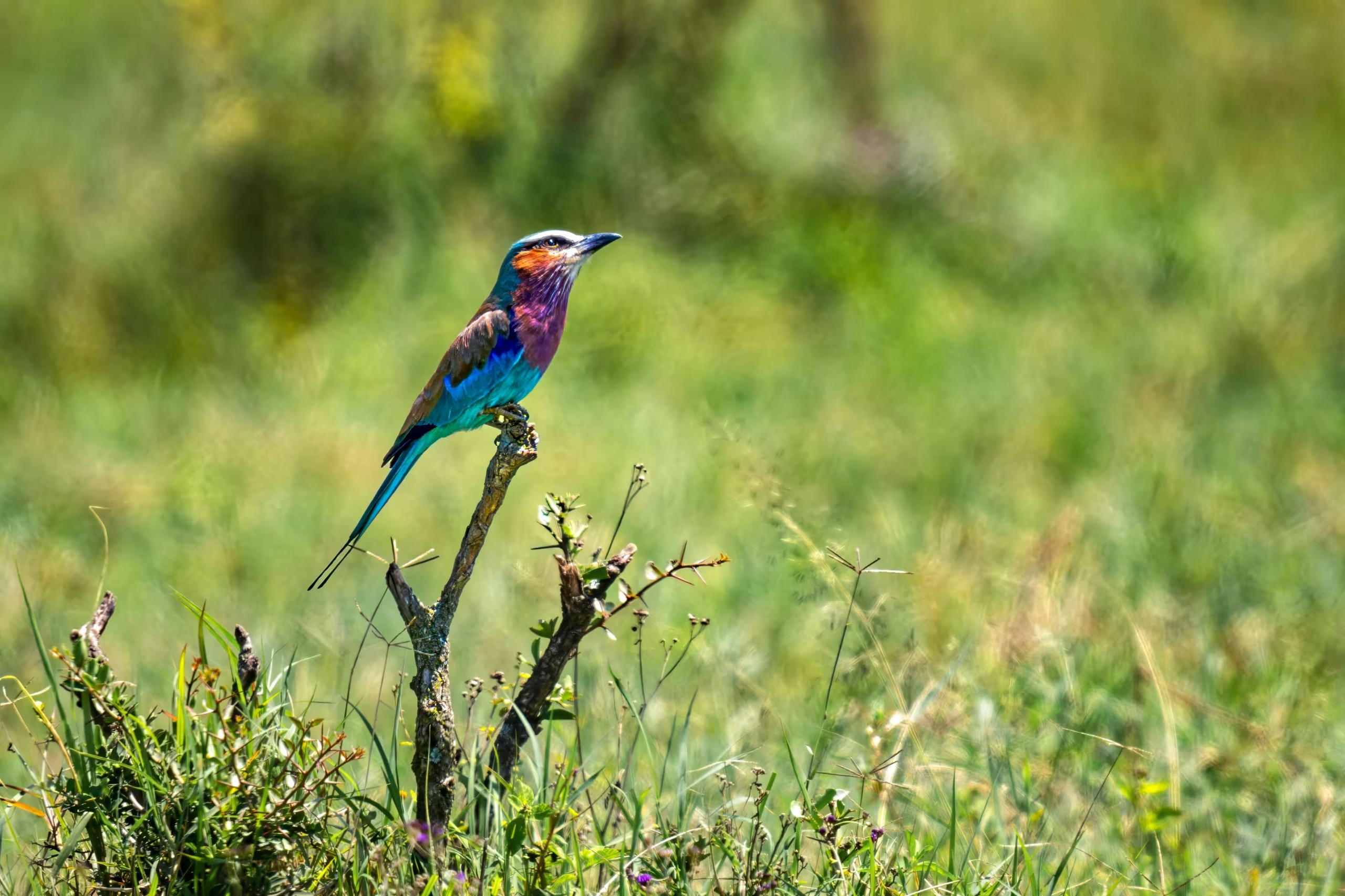
Look for flocks of colourful lovebirds, the enormous kori bustard (the world’s heaviest flying bird), ground hornbills, hammerkops, and dazzling bee-eaters and rollers. Even for non-birders, the sheer colour and abundance of birdlife is a delight, and our guides love sharing it.

The park’s varied habitats — river, swamp, woodland and open plain — are the reason for this abundance, each supporting its own community of birds. Even a casual observer will be struck by the constant flashes of colour and movement, and for keen birders a visit can yield dozens of species in a single rewarding morning.

550+ bird species  ·  one of Tanzania’s top birding parks
Colourful lilac-breasted roller perched on an acacia branch
Colourful lilac-breasted roller perched on an acacia branch — 1000×750
IIWhen to Go

The Best Time to Visit Tarangire

Tarangire is very much a dry-season park. From June to October, as the surrounding country dries out, the Tarangire River becomes the only reliable water for miles, drawing enormous concentrations of elephants and other game to its banks. This is the park at its spectacular best, and the ideal time to visit.

The green season (November to May) tells a different story: the rains disperse the wildlife across the wider ecosystem, the landscape turns lush and green, and migratory birds arrive in force, making it a superb time for birding and photography — though general game viewing is quieter. Whenever you visit, Tarangire’s scenery of baobabs and open plains is unfailingly beautiful, and its lower visitor numbers are a joy year-round.

IIIThings to Do

Ways to Experience Tarangire

Tarangire offers more than the classic game drive — its wilderness lends itself beautifully to a more active safari.

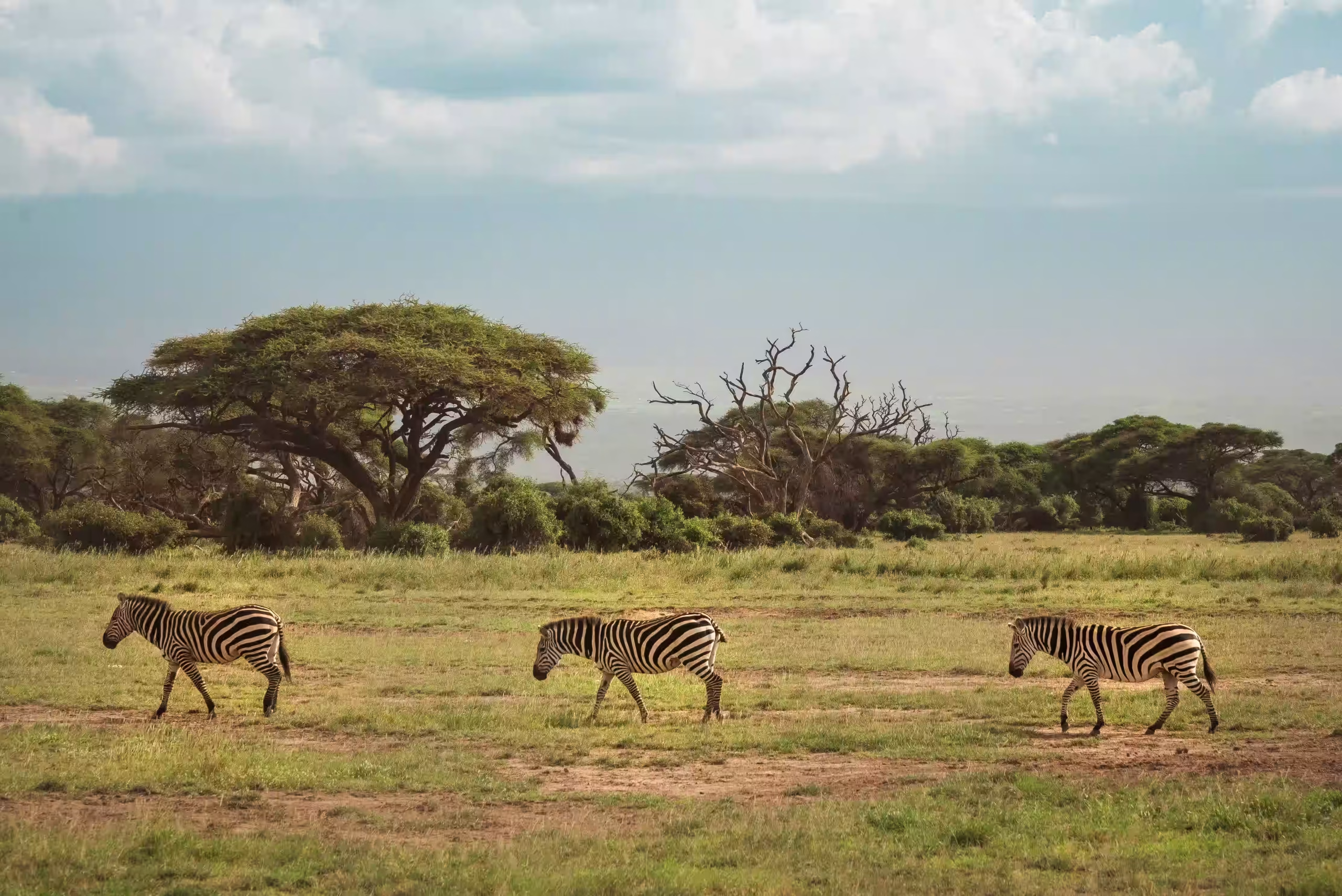
Safari vehicle among baobabs on a Tarangire game drive

Game Drives

Explore the river, plains and baobab woodlands in an open 4x4, tracking the great elephant herds and their predators.

Enquire →
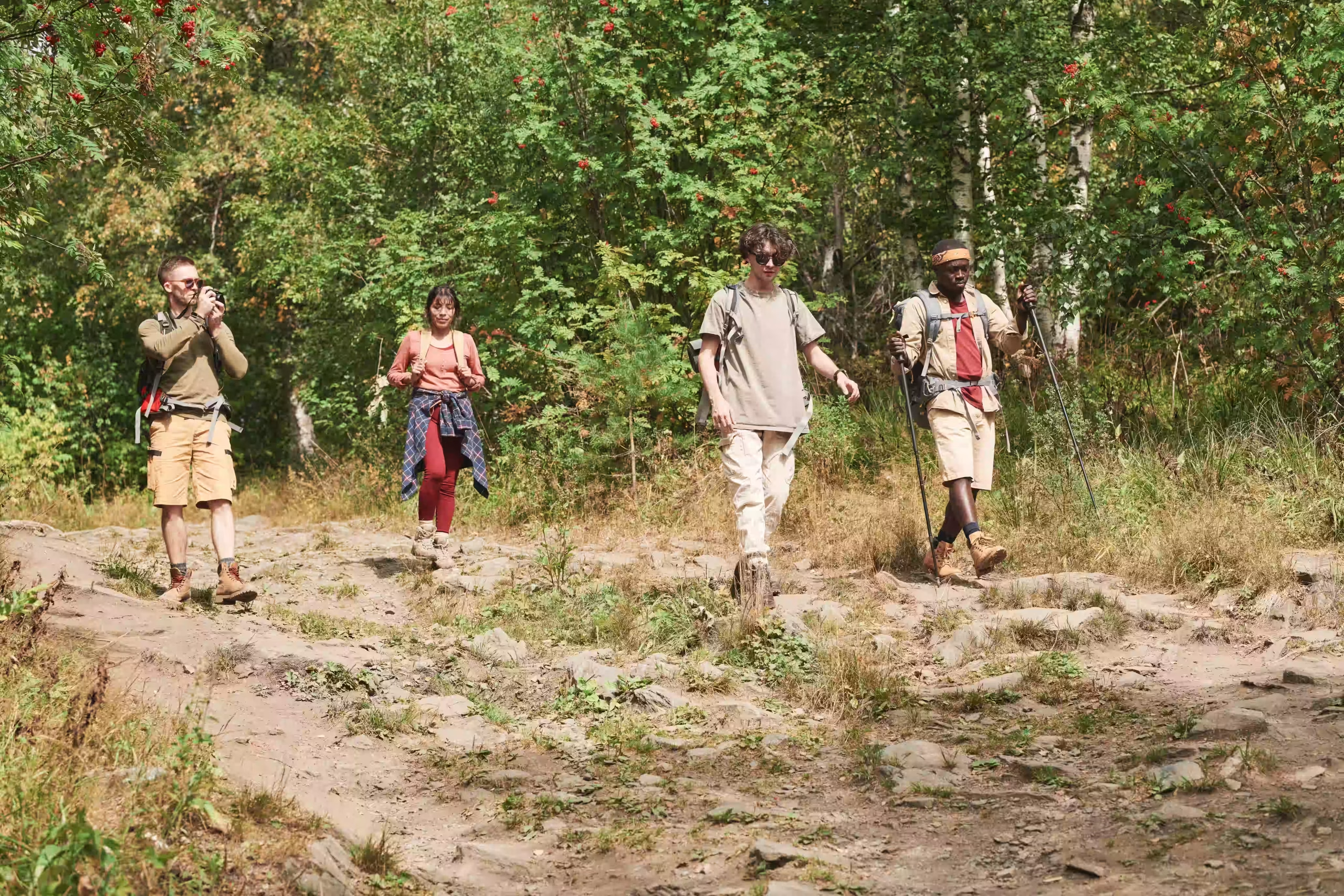
Guests on a guided walking safari through the bush

Walking Safaris

Available in select areas, walking safaris reveal the smaller wonders of the bush on foot with an armed ranger.

Enquire →
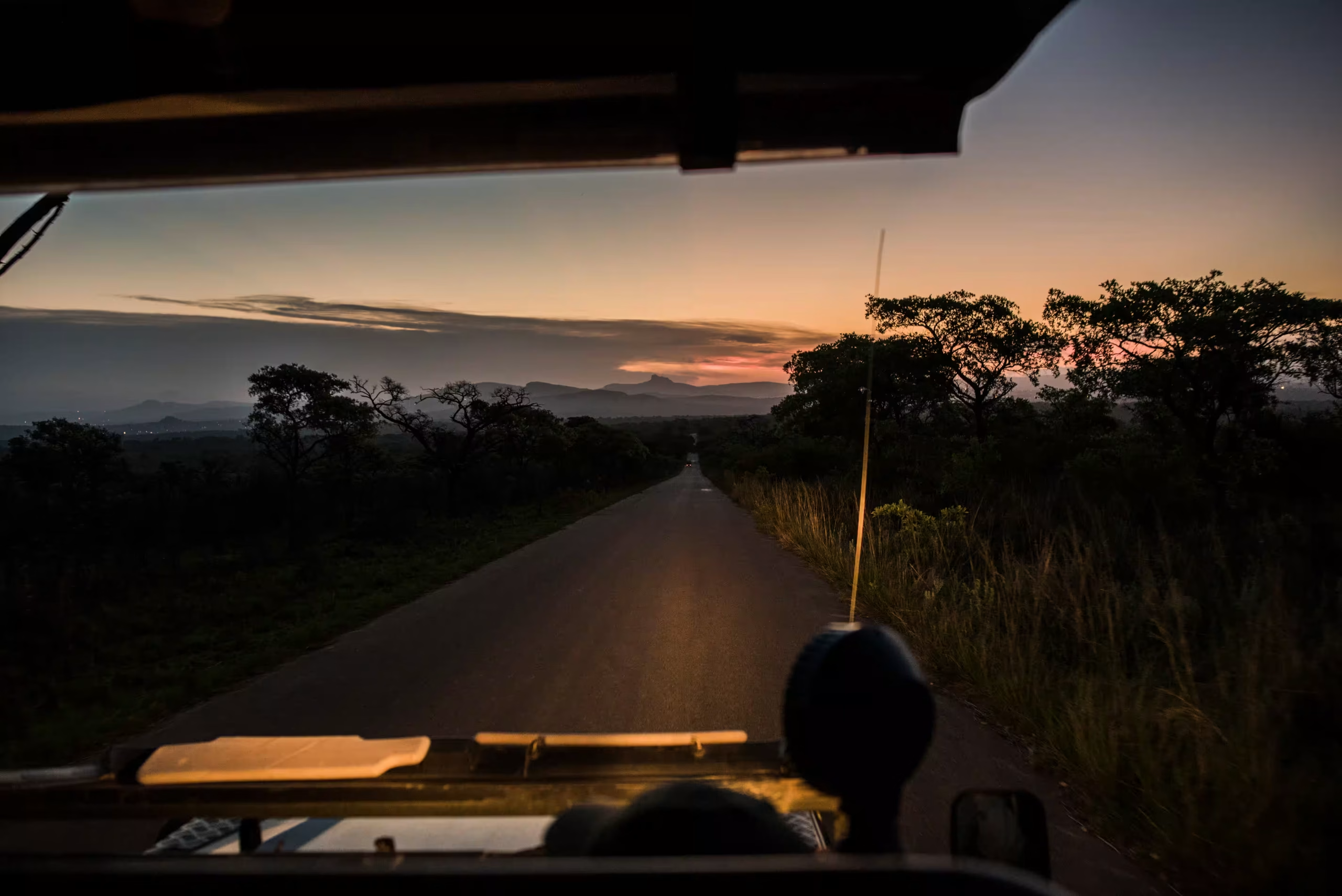
Spotlight on nocturnal wildlife during a night drive

Night Drives

In private concessions bordering the park, night drives reveal a hidden nocturnal world after dark.

Enquire →
Birdwatcher with binoculars in Tarangire

Birding

With 550+ species, Tarangire is a paradise for birders — our guides will help you spot the specials.

Enquire →
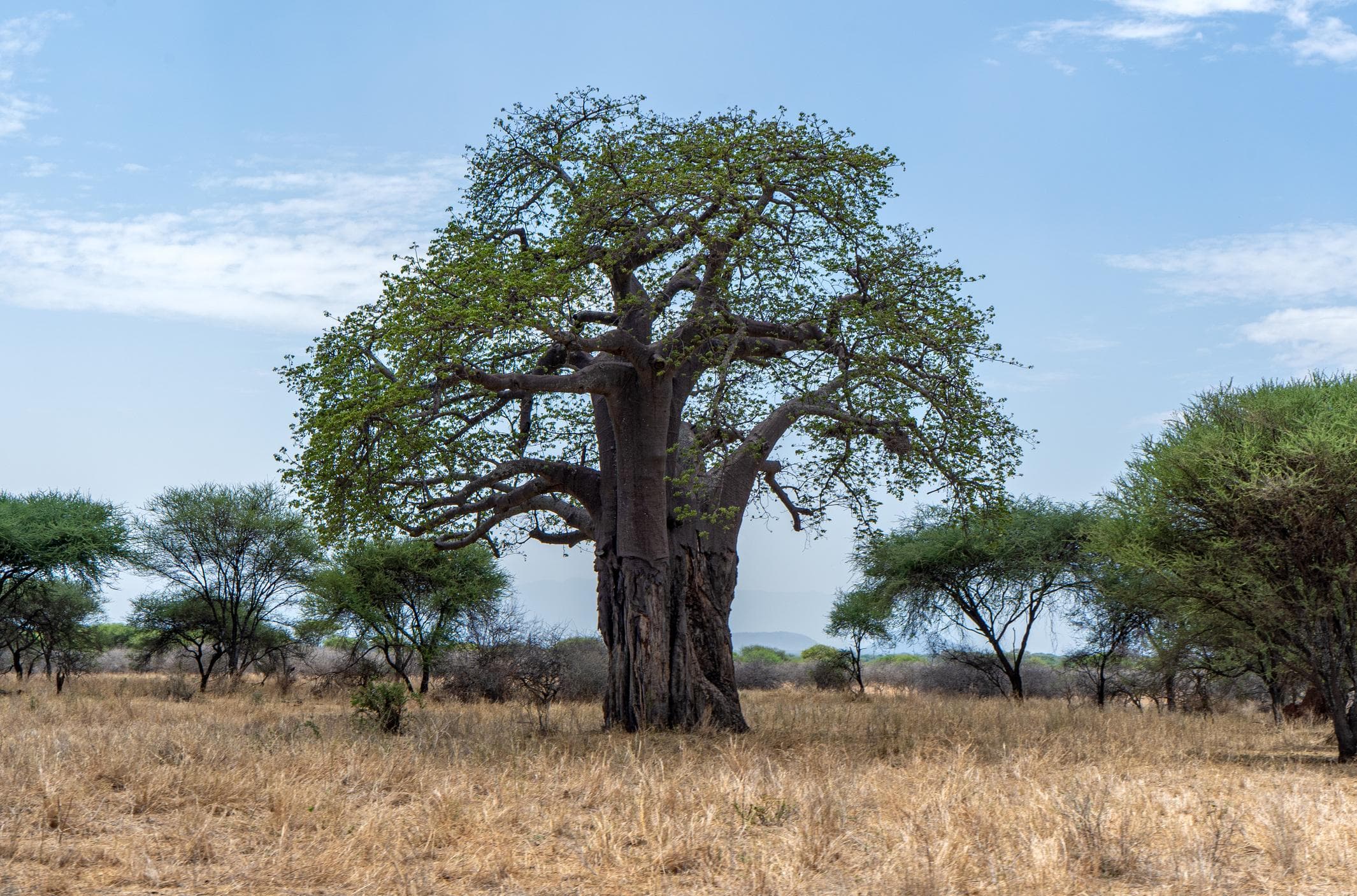
Giant baobab tree silhouetted against a Tarangire sunset
Giant baobab tree silhouetted against a Tarangire sunset — 2400×1400
The Baobabs

Beneath a Thousand-Year Canopy

Nothing captures Tarangire quite like its baobabs — vast, ancient and utterly distinctive, silhouetted against enormous skies at dawn and dusk. These “upside-down trees” have watched over the land for a millennium, and their presence gives the park a timeless, almost mystical atmosphere found nowhere else on the northern circuit. Photographers, in particular, find them irresistible — a single baobab, a herd of elephant and a burning sky combining into images that capture the very soul of the African wilderness.

Start Planning
Where to Stay

Camps & Lodges by the River

Accommodation in and around Tarangire ranges from atmospheric tented camps overlooking the river and its wildlife, to comfortable lodges and intimate luxury retreats in private concessions bordering the park. Staying close to the river puts you right where the action is, especially in the dry season.

Camps in the private areas around Tarangire also offer experiences not permitted inside the national park itself, such as walking and night drives. We know these properties well and match them to your style and budget, so your base is as memorable as your days in the park.

Tarangire is reached by an easy road transfer from Arusha, making it a natural first or last stop on a northern safari. We handle the logistics and pacing so your time is spent enjoying the elephants and baobabs rather than worrying about the journey, and we combine it seamlessly with Lake Manyara, Ngorongoro and the Serengeti.

Riverside camps & private-concession lodges  ·  for every style
Tented camp overlooking the Tarangire River at dusk
Tented camp overlooking the Tarangire River at dusk — 1000×750
IVGallery

Tarangire in Pictures

“The elephant herds at the river were beyond anything we imagined, and we had it almost to ourselves. Tarangire was the surprise of the whole trip.”

Nadia & Omar S., Canada
VGood to Know

Tarangire FAQ

Very much so. The dramatic baobabs, huge elephant herds and abundant birdlife make for wonderful photography, and the relaxed pace and lower crowds suit families beautifully. We tailor every trip to who is travelling.

One to two nights is ideal to enjoy the park properly, and it makes a wonderful start or finish to a northern-circuit safari alongside the Serengeti, Ngorongoro and Lake Manyara.

The dry season, June to October, is prime — this is when the great elephant herds and other wildlife gather at the river. The green season is quieter for game but superb for birding and beautifully lush.

Because it sits slightly off the main route to the Serengeti, many visitors skip it — which is exactly why we love it. You get spectacular wildlife and scenery with a fraction of the vehicles.

Walking safaris are available in select areas, and night drives are offered in the private concessions bordering the park (these activities are not permitted inside the national park itself). We can build them into your stay.

Begin the Journey

Ready to Discover Tarangire?

Just say the word and we'll weave Tarangire's elephants and ancient baobabs into a northern-circuit safari you'll never forget.

Loading itinerary…
Saved Trips