Your adventure starts precisely at 6:00 AM as our guide meets you at your Arusha hotel or designated pick-up location. To guarantee wildlife watching opportunities, your family will be transported in a 4x4 safari vehicle with pop-up roofs and spacious seating, providing superior comfort and visibility. The scenic 2.5-hour drive, roughly 180 kilometers to the Ngorongoro Conservation Area, showcases the stunning geography of Tanzania, including coffee plantations, villages, and the Great Rift Valley. During the journey, TANAPA-certified guides enrich the experience by sharing fascinating aspects of the area’s natural and cultural history, including Maasai history and the volcanic formations of the crater, captivating both adults and children.
At 8:30 AM, you will arrive at the Ngorongoro gate together with your guide, who will oversee the entry processes. The visitor center is equipped with comfortable amenities such as restrooms, as well as displays and other materials, plus additional information that children will enjoy. The guide will conveniently pause at the visitor center for a brief comfort break. While ascending to the crater rim, your guide will stop at a viewpoint with a stunning view of the 20-kilometer UNESCO World Heritage caldera, which was formed by a volcanic collapse millions of years ago. The guide will explain what makes the crater so unique; wildlife-powered ecosystems are cemented between immense walls that enable free rein year-round. Families brimming with children will turn into awe-struck couples as the beauty and importance of the landscape set in.
At 9:00 AM, you will begin descending to the crater floor located 600 meters below, using a picturesque access road that encapsulates a cradle of life rich in biodiversity and wildlife. An exploration of game drive in the morning for three hours takes you to the grasslands brimming with wildebeests, acacia forests concealing leopards, and hippo-infested swamps. The crater hosts a high concentration of wildlife, ensuring regular Big Five encounters: prides of lions hunting, family groups of elephants, buffalo herds grazing, leopards lazing on tree branches, and black rhinos, which are rare to spot. Vibrancy is lent to the ecosystem by cheetahs, hyenas, zebras, and over five hundred species of birds, such as flamingos, in Lake Magadi. Radio updates allow guides to track animals and share animal behaviors, such as lions’ hunting strategies and rhinos’ territorial marking, along with engaging children with facts like the reason behind zebra stripes.
You will stop at Ngoitokitok spring, an oasis with hippos and egrets, for a picnic lunch at 12:30 PM. The meal is fresh and consists of sandwiches, fruits, salads, and drinks while accommodating dietary requirements that were forewarned in advance. Families settle down with their kids who were safely under the watch of the guide, lying on blankets of their choice. The caldera’s rim ruggedly contours the landscape while the guide tells the tourists about the Maasai history, adding cultural context.
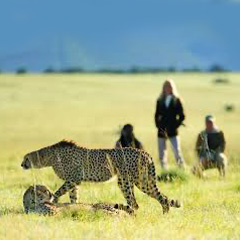
During the afternoon game drive from 1:30 PM to 3:30 PM, the target animals include solitary rhinos and hunting cheetahs. The open terrain provides a clear view through the pop-up roof and ample opportunities for photography. The guide describes the ecological balance of the crater, mentioning predator and prey, while engaging children with stories of elephant calves and lion cubs. Parents sit back and relax as the guide prioritizes safety throughout the drive.
At 3:30 PM, you will ascend to the rim while having a glance at the crater for the last time. The return journey starts from 4 PM to 6:30 PM when you arrive at Arusha. The guide answers questions, provides details about other places of interest in the northern circuit like Serengeti and Zanzibar, and talks about conservation. The day ends with drop-off at the hotel and leads you to reminisce about the spectacular wildlife in Tanzania.