wondernest travel

pexels-droneafrica-18248009

Unveiling the Wonders of Tanzania’s Cities 

As we embark on a journey to unveil the wonders of Tanzania’s cities, we are met with a tapestry of vibrant cultures, rich history, and breathtaking landscapes. From the bustling streets of Dar es Salaam to the historic charm of Zanzibar, each city offers a unique experience that showcases the soul of this remarkable country. We will delve into the heart of Tanzania’s urban centers, exploring their development, attractions, and the essence of their being.

Key Takeaways

  • Discover the vibrant culture of Tanzania’s urban centers.
  • Explore the historic charm of Zanzibar and its significance.
  • Experience the bustling streets of Dar es Salaam.
  • Learn about the development and attractions of Tanzania’s cities.
  • Understand the essence of Tanzania’s urban identity.

The Urban Landscape of Tanzania

As we explore Tanzania’s urban landscape, we discover a captivating blend of tradition and modernity. The country’s cities are not just hubs of economic activity but also repositories of cultural heritage and identity.

A Brief Overview of Tanzania’s Urban Development

Tanzania’s urban development has been shaped by its history, geography, and cultural influences. The country has several major cities, each with its unique character and contribution to the national identity. Dar es Salaam, the largest city, is a bustling commercial center, while Dodoma, the capital, is the political heart of the nation.

The urban population in Tanzania has been growing steadily, driven by factors such as rural-urban migration and natural population growth. This growth presents both opportunities and challenges for urban planning and development.

CityPopulation (approx.)Key Characteristics
Dar es Salaam4.5 millionCommercial hubport city, cultural melting pot
Dodoma400,000Political capital, central location, planned city
Zanzibar City500,000Historic Stone Town, cultural fusion, spice markets

The Blend of Traditional and Modern Architecture

Tanzania’s cities showcase a fascinating blend of traditional and modern architecture. In Zanzibar City, the historic Stone Town is a UNESCO World Heritage Site, featuring intricately carved doors and ornate balconies, reflecting the island’s rich cultural heritage.

In contrast, cities like Dar es Salaam and Arusha have modern architectural marvels, including sleek office buildings and contemporary shopping malls, standing alongside traditional structures. This blend creates a unique urban aesthetic that is quintessentially Tanzanian.

Dar es Salaam: Tanzania’s Commercial Hub

In the bustling streets of Dar es Salaam, we discover a city that seamlessly weaves together its colonial past and contemporary dynamism. As the largest city in Tanzania, Dar es Salaam is not just a commercial hub but a melting pot of cultures, traditions, and innovations.

Historical Evolution of Dar es Salaam

Dar es Salaam’s history dates back to the 19th century when it was a small fishing village. The city’s strategic location made it an attractive spot for colonial powers, leading to its growth into a major urban center. Today, remnants of its colonial past can be seen in its architecture, with a blend of Arab, German, and British influences.

Key Attractions in Tanzania’s Largest City

Dar es Salaam is home to a variety of attractions that showcase its rich history and cultural diversity.

The National Museum and House of Culture

The National Museum is a treasure trove of Tanzania’s history, with exhibits ranging from the country’s struggle for independence to its rich cultural heritage. The museum’s collection provides a deep insight into the country’s past, making it a must-visit for anyone interested in understanding Tanzania’s identity.

Kariakoo Market and Shopping Districts

Kariakoo Market is the heart of Dar es Salaam’s commercial activity, offering a vibrant mix of local goods, fresh produce, and handicrafts. The surrounding shopping districts are equally fascinating, with a blend of modern and traditional shopping experiences.

Beaches and Waterfront Areas

Dar es Salaam’s coastline offers beautiful beaches and scenic waterfront areas, perfect for relaxation and leisure activities. The city’s beaches are a great place to unwind and enjoy the local cuisine at one of the many beachside restaurants.
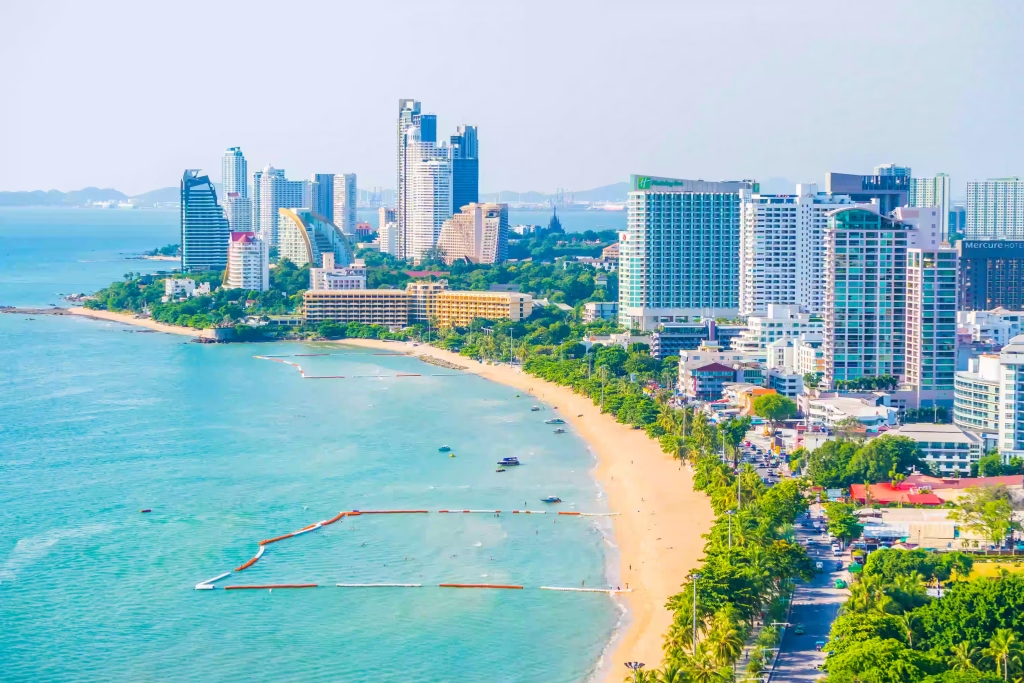
photo-beach-town-view-from

Navigating the Vibrant Neighborhoods

Navigating Dar es Salaam’s neighborhoods is an adventure in itself. From the historic Stone Town to the modern upscale neighborhoods, each area has its unique character and charm. The city’s vibrant neighborhoods offer a glimpse into the daily lives of its residents, with bustling markets, street food vendors, and local artisans.

Some of the key neighborhoods to explore include:

  • Kariakoo: Known for its market and shopping districts.
  • Oyster Bay: A upscale neighborhood with a mix of modern restaurants and shops.
  • Msasani: A coastal neighborhood with beautiful beaches and waterfront properties.

As we explore Dar es Salaam, we find that it’s not just a city; it’s an experience that blends history, culture, and modernity in a unique Tanzanian way.

Dodoma: The Political Capital

Dodoma, the political capital of Tanzania, stands as a testament to the country’s governance and architectural evolution. As we explore this significant city, we uncover the layers of its transformation and the landmarks that define its political and cultural identity.

The Transition to Capital Status

In 1996, Dodoma was designated as the capital, marking a significant shift in Tanzania’s political landscape. This transition was not merely administrative; it represented a strategic move to centralize governance and development. The decision to move the capital from Dar es Salaam to Dodoma was driven by the desire to promote more balanced regional development and to symbolize a new era in Tanzanian politics.

Exploring Dodoma’s Urban Design and Landmarks

Dodoma’s urban design is a blend of modern and traditional elements, reflecting its role as a political and cultural hub. The city’s layout is characterized by broad avenues and significant government buildings.

Government Buildings and Political Significance

The State House and the Parliament building are among the most significant landmarks, symbolizing the city’s political importance. These structures are not only functional but also serve as architectural icons, representing the nation’s commitment to democracy and governance.

Cultural Attractions and Local Life

Beyond its political significance, Dodoma is also a city with a rich cultural tapestry. The local markets and cultural centers offer insights into the daily lives of its residents, showcasing traditional crafts and local cuisine.

LandmarkDescriptionSignificance
State HouseOfficial residence of the PresidentSymbol of national leadership
Parliament BuildingSeat of the National AssemblyCenter of legislative power
Local MarketsCenters for traditional crafts and cuisineHeart of local culture and economy
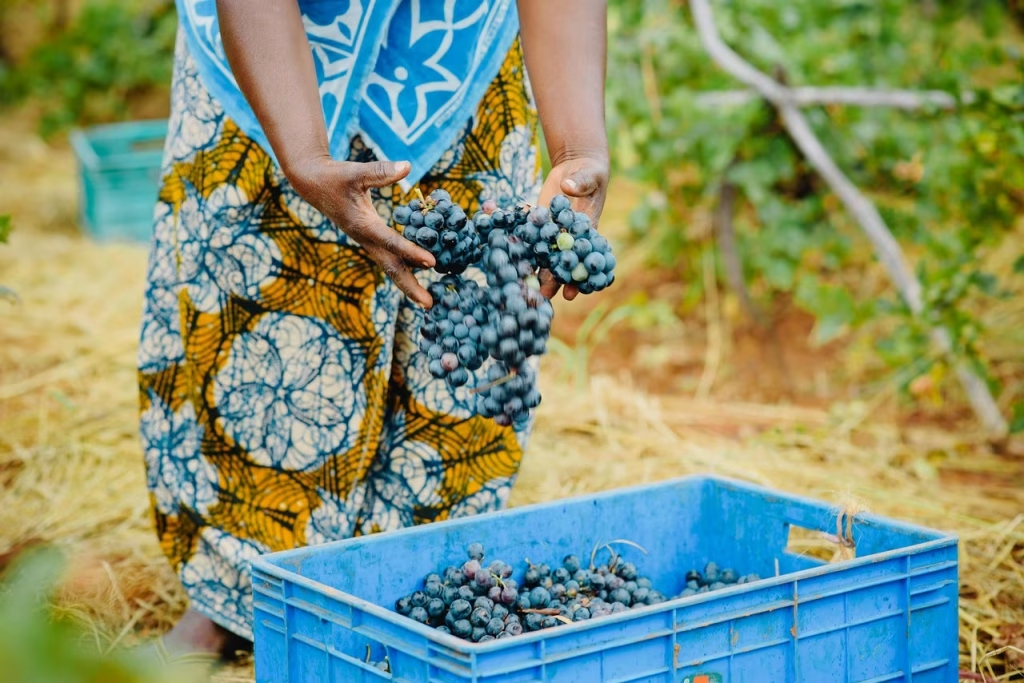
grapes-5870023_1280

Zanzibar City: Where History Meets Island Paradise

As we step into Zanzibar City, the scent of spices and the whispers of history envelop us. This city is a unique blend of historical significance and island beauty, where the air is filled with the fragrance of cloves and the sound of the Indian Ocean waves.

aerial-shot-ship-leaving-port

Stone Town: A UNESCO World Heritage Site

At the heart of Zanzibar City lies Stone Town, a UNESCO World Heritage Site that is a treasure trove of architectural and historical significance. The narrow streets are lined with buildings that reflect a mix of Arab, European, and African influences, creating a cultural mosaic that is both fascinating and beautiful.

Architectural Treasures and Historical Buildings

The architecture in Stone Town is a testament to its rich history, with buildings such as the House of Wonders and the Old Fort showcasing the blend of different cultural influences. These structures not only reflect the city’s historical significance but also its cultural diversity.

Navigating the Narrow Streets and Cultural Sites

As we navigate the narrow streets of Stone Town, we discover cultural sites such as the Slave Market Museum and the Anglican Cathedral, which provide insights into the city’s complex history. The winding alleys are also home to numerous shops and markets, offering a glimpse into local life.

AttractionDescriptionSignificance
House of WondersA museum showcasing Zanzibar’s historyIconic landmark and cultural symbol
Old FortA historic fort turned cultural hubBlend of Omani and European architecture
Slave Market MuseumA museum detailing the history of the slave tradeImportant historical site

Cultural Fusion in Zanzibar’s Architecture

Zanzibar City’s architecture is a vibrant reflection of its cultural fusion, blending Arab, European, and African styles. This blend is evident in the intricate carvings, balconies, and doors that adorn the buildings, creating a unique aesthetic that is both beautiful and historically significant.

The Spice Markets and Local Cuisine

No visit to Zanzibar City is complete without experiencing its famous spice markets and local cuisine. The markets are filled with the aroma of cloves, nutmeg, and cardamom, while the local dishes such as urojo (a spicy soup) and mandazi (fried doughnuts) offer a taste of the island’s culinary delights.

Arusha: Gateway to Safari Adventures

With its strategic location at the foot of Mount KilimanjaroArusha beckons adventurers to embark on unforgettable journeys through Tanzania’s renowned national parks. As a gateway to safari adventuresArusha is more than just a city; it’s a threshold to the untamed beauty of Africa.

Arusha’s Strategic Location and Tourism Industry

Arusha’s proximity to some of Tanzania’s most spectacular national parks and conservation areas makes it a crucial hub for the tourism industry. The city’s infrastructure supports a wide range of tour operators, outfitters, and guides, facilitating seamless adventures into the wilderness.

Proximity to National Parks and Mount Kilimanjaro

Arusha is strategically located near the Serengeti, Ngorongoro Conservation Area, and Mount Kilimanjaro National Park, among others. This proximity allows for easy access to some of Africa’s most iconic wildlife reserves and the highest peak in Africa.

The Safari Industry and Economic Impact

The safari industry significantly contributes to Arusha’s economy, with numerous tour operators and related businesses thriving in the city. This industry not only supports local employment but also promotes conservation efforts through tourism revenue.

National ParkDistance from ArushaMain Attractions
Serengeti National Park335 kmThe Great Migration, diverse wildlife
Ngorongoro Conservation Area180 kmCrater wildlife, archaeological sites
Mount Kilimanjaro National Park80 kmClimbing Mount Kilimanjaro, scenic views

Urban Attractions and Cultural Experiences

Beyond its role as a safari gateway, Arusha offers a rich cultural tapestry and urban attractions. Visitors can explore the Arusha Cultural Centre, visit the vibrant markets, or enjoy the natural beauty of the surrounding landscapes.

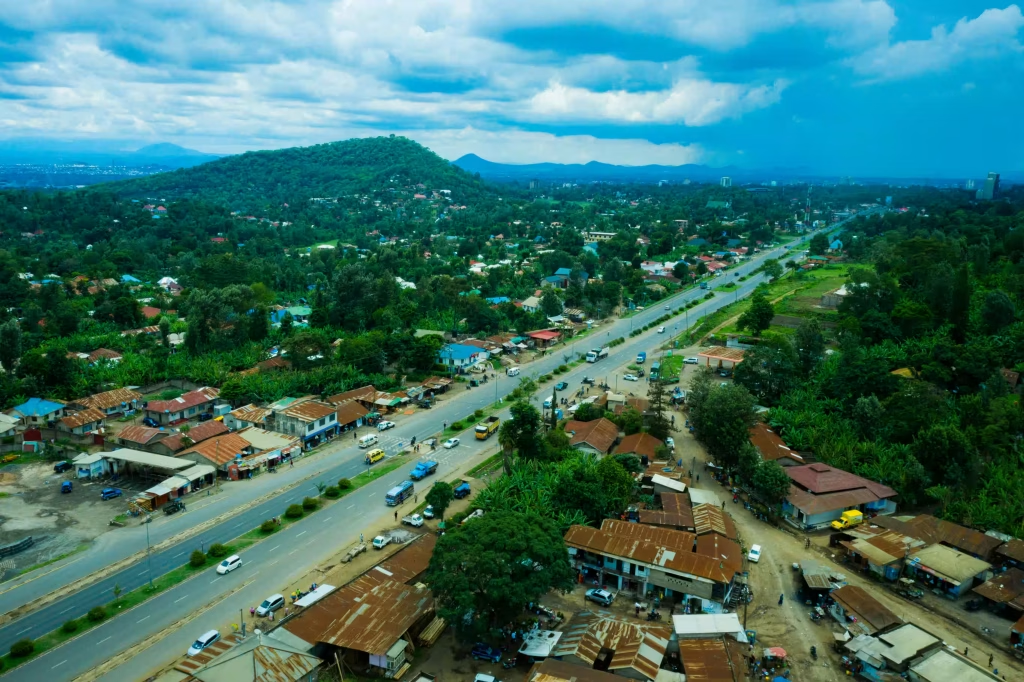
Arusha (3)

Arusha’s blend of natural beauty, cultural depth, and adventure opportunities makes it a compelling destination for travelers seeking a holistic Tanzanian experience.

Mwanza: The Rock City by Lake Victoria

Nestled on the shores of Lake VictoriaMwanza, affectionately known as the Rock City, is a treasure trove of natural beauty and urban charm. As we explore this vibrant city, we discover the perfect blend of rugged rock formations and the serene waters of Africa’s largest lake.

Natural Beauty and Iconic Rock Formations

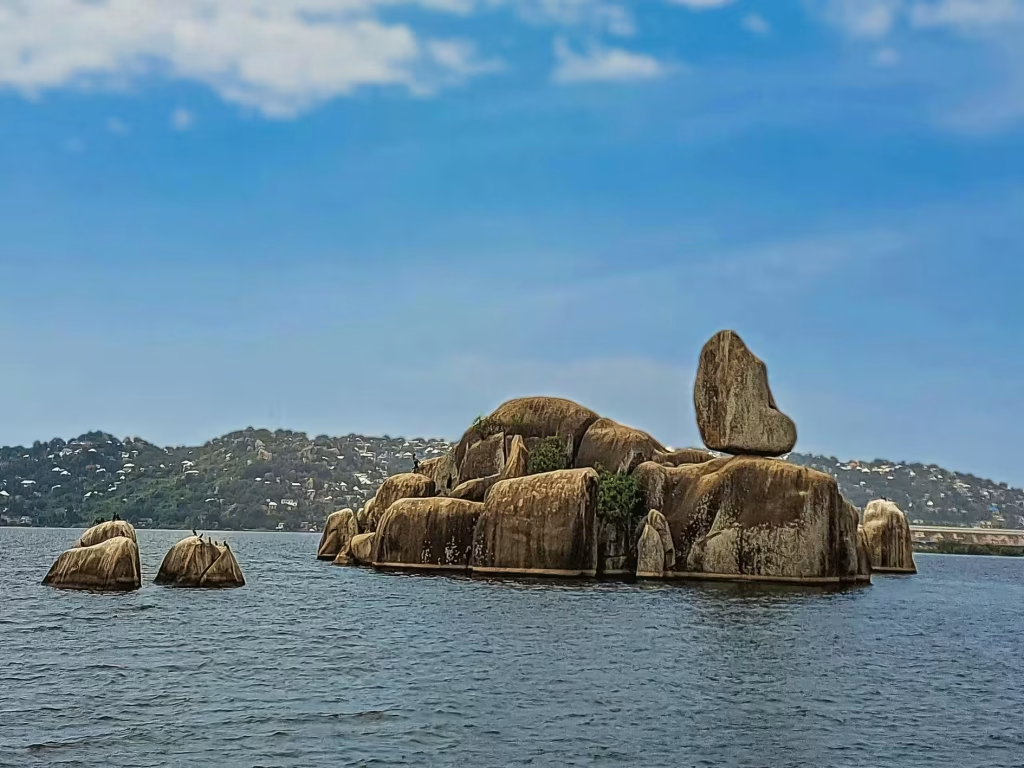
The city’s landscape is dominated by striking rock formations that have become synonymous with Mwanza’s identity. These formations not only add to the city’s aesthetic appeal but also provide a unique backdrop for the urban landscape. The iconic rocks stand as sentinels, guarding the city and offering breathtaking views of Lake Victoria.

Mwanzan

Economic Significance and Urban Development

Mwanza’s economy is significantly bolstered by the fishing industry, with Lake Victoria providing abundant resources. The city’s strategic location makes it a crucial hub for trade and commerce in the region.

Fishing Industry and Lake Victoria Resources

The fishing industry is a cornerstone of Mwanza’s economy, with the lake’s rich aquatic resources supporting a large community of fishermen and related businesses. This industry not only provides livelihoods but also contributes to the local cuisine, with fresh fish being a staple in many households.

Modern Growth and Infrastructure

Mwanza is experiencing rapid urban development, with modern infrastructure being put in place to support its growing population and economy. The city’s growth is a testament to its importance as a commercial and cultural center in the region.

Tanga: The Port City with Colonial Heritage

As we step into Tanga, we’re immediately enveloped in the city’s storied history and architectural grandeur. This port city, with its deep-rooted colonial past, offers a fascinating glimpse into Tanzania’s rich cultural tapestry.

Historical Significance and Architecture

Tanga’s historical significance is palpable in its architecture, a blend of German and British colonial influences. The city’s old town is a treasure trove of historical buildings, with structures like the Tanga Custom House and the old German Boma standing as testaments to its past. The urban landscape is dotted with these architectural marvels, each telling a story of the city’s evolution over time.

As noted by historian John Iliffe, “Tanga’s architecture is a reflection of its history, a mix of cultures that have shaped the city over the years.”

“The buildings in Tanga are not just structures; they are the embodiment of the city’s history and cultural identity.”

Modern Developments and Attractions

While Tanga honors its past, it is also embracing modernity. The city’s port continues to be a vital economic hub, while new attractions and developments are enhancing its appeal to visitors. The blend of old and new is evident in its vibrant markets and cultural events, showcasing the city’s dynamic spirit.

Visitors can explore the Amboni Caves, enjoy the scenic beauty of the coastline, or experience the local cuisine, which reflects the city’s cultural diversity.

Tanga ]

Mbeya: The Highland City

Mbeya, affectionately known as the highland city, is a hidden gem that showcases the natural beauty and cultural richness of Tanzania. As we explore this enchanting city, we discover a unique blend of geographical landscapes and cultural heritage.

Climate and Natural Surroundings

Mbeya’s climate is characterized by its cool temperatures, a refreshing change from the sweltering heat of Tanzania’s lower regions. The city’s natural surroundings are equally captivating, with lush forests, rolling hills, and the majestic Mbeya Range offering breathtaking vistas. The climate and natural beauty of Mbeya make it an ideal destination for nature lovers and adventure seekers alike. As we wander through the city’s outskirts, the crisp air and vibrant flora create a sensory experience that is both invigorating and serene.

Mbeya] (1)

Cultural Diversity and Local Experiences

Mbeya is not just a feast for the eyes; it’s also a cultural melting pot. The city is home to a diverse population, with various ethnic groups contributing to its rich cultural tapestry. Visitors can immerse themselves in local traditions by attending cultural festivals, visiting local markets, and engaging with the friendly populace. The cultural diversity of Mbeya is a testament to Tanzania’s broader cultural heritage, making it a fascinating destination for those interested in exploring the depths of Tanzanian culture.

Morogoro: The University Town

Morogoro, affectionately known as the university town, is where education and natural beauty converge. This city is not only a hub for academic pursuits but also a gateway to some of Tanzania’s most stunning landscapes.

Educational Institutions and Intellectual Life

Morogoro is home to the Sokoine University of Agriculture, one of Tanzania’s premier institutions for higher learning. The university is renowned for its programs in agriculture, veterinary medicine, and forestry, attracting students from across the region. The presence of such esteemed institutions fosters a vibrant intellectual life, with research and innovation being key components of the city’s academic culture.

Natural Attractions and Outdoor Activities

The natural beauty surrounding Morogoro is as captivating as its academic offerings. The Uluguru Mountains offer breathtaking scenery and a variety of outdoor activities, including hiking and bird watching. Visitors can explore the mountains’ lush forests, home to a diverse range of flora and fauna, making Morogoro an ideal destination for nature lovers and adventure seekers alike.

AttractionDescriptionActivity
Uluguru MountainsLush mountainous region with diverse flora and faunaHiking, Bird Watching
Sokoine University of AgriculturePremier institution for agricultural and veterinary studiesAcademic Tours, Research

Cities in Tanzania: A Comprehensive Guide

The urban tapestry of Tanzania is woven with threads of tradition, innovation, and resilience, creating a unique and fascinating landscape. As we explore the cities in Tanzania, we find a diverse array of population centers that are shaping the country’s future.

Population Centers and Urban Distribution

Tanzania’s urban landscape is characterized by a mix of large cities, towns, and rural areas. The population distribution across these urban centers reveals interesting demographic trends and growth patterns.

Demographic Trends and Growth Patterns

The cities in Tanzania are experiencing rapid growth, driven by factors such as urbanization, economic opportunities, and improved infrastructure. For instance, Dar es Salaam, the largest city, continues to attract people from rural areas, contributing to its population growth.

Regional Distribution and Urban Hierarchy

The regional distribution of cities in Tanzania is not uniform, with some areas having a higher concentration of urban centers. The urban hierarchy, ranging from small towns to large cities like Dar es Salaam and Dodoma, reflects the country’s economic and administrative structure.

turquoise-water-touches-golden-shores-where-people-rest

Economic Importance and Specializations

The cities in Tanzania list highlights the economic importance of urban centers in the country. Each city has its unique specializations, contributing to the overall economic growth and development of Tanzania. For example, Dar es Salaam is the commercial hub, while Arusha is known for its tourism industry.

The economic importance of these cities cannot be overstated, as they drive growth, innovation, and progress in various sectors. Understanding the specializations and strengths of each city is crucial for appreciating the complex urban landscape of Tanzania.

Urban Challenges and Development in Tanzanian Cities

The rapid urbanization of Tanzania’s cities brings with it a complex array of challenges and opportunities for development. As we explore these challenges, we must consider the intricate balance between growth and sustainability.

Infrastructure and Transportation Networks

Tanzanian cities face significant infrastructure challenges, including inadequate transportation networks. “The development of reliable and efficient transportation systems is crucial for the economic vitality of our cities,” as emphasized by urban planners. We are witnessing efforts to improve road networks and public transportation, enhancing connectivity within and between cities.

Housing and Urban Planning Initiatives

The demand for housing in Tanzanian cities is outpacing supply, leading to the growth of informal settlements. In response, the government has launched initiatives aimed at improving urban planning and providing affordable housing. These efforts include the development of new housing projects and the upgrading of existing infrastructure.

Environmental Concerns and Sustainability Efforts

As Tanzanian cities grow, they face increasing environmental challenges, including pollution and waste management. In response, cities are implementing sustainability efforts, such as green building initiatives and waste reduction programs. Sustainability is becoming a key focus in urban development, with a emphasis on preserving natural resources for future generations.

“Sustainability is no longer a choice but a necessity for our cities,” said a local environmental advocate.

By addressing these urban challenges and embracing sustainable development, Tanzanian cities can continue to thrive while preserving their unique cultural and natural heritage.

Cultural Life in Tanzania’s Urban Centers

In the heart of Tanzania’s cities lies a rich cultural life, a blend of traditional and modern that captivates the senses. As we explore these urban centers, we uncover a vibrant tapestry of arts, entertainment, festivals, and culinary experiences that reflect the nation’s diverse heritage.

Arts and Entertainment Scenes

Tanzania’s urban centers are alive with the rhythm of arts and entertainment. From the visual arts showcased in museums and galleries to the dynamic performances at music and theater venues, there’s a palpable energy that permeates these spaces.

Museums and Galleries

The National Museum in Dar es Salaam is a treasure trove of Tanzania’s history and culture, while the Nyumba ya Sanaa in Zanzibar showcases the island’s unique artistic heritage.

Music and Performance Venues

Venues like the Dar es Salaam Music Hall and the Zanzibar International Film Festival’s cultural center host a variety of performances, from traditional Tanzanian music to international acts.

Festivals and Celebrations

Tanzania’s cities come alive during festivals and celebrations, showcasing the nation’s rich cultural diversity. Events like the Zanzibar International Film Festival and the Dar es Salaam International Trade Fair are highlights of the cultural calendar.

Culinary Experiences in Urban Settings

The culinary scene in Tanzania’s urban centers is a fusion of traditional and modern flavors. From street food stalls serving local delicacies like ugali and nyama choma to upscale restaurants offering contemporary Tanzanian cuisine, there’s a wealth of gastronomic experiences to explore.

CityPopular DishDescription
Dar es SalaamNyama ChomaRoasted meat, often served with vegetables and chapati.
ZanzibarUrojoA spicy soup made with a variety of ingredients including meat, potatoes, and cassava.
ArushaMatookeSteamed or boiled green bananas, often served with vegetables or meat.

Practical Guide for Visitors to Tanzanian Cities

Tanzania’s cities, with their rich cultural heritage and modern attractions, await your visit, and we’re here to guide you through the essentials. As you plan your trip, consider the diverse experiences each city has to offer, from the bustling markets to the serene landscapes.

Accommodation Options Across Major Cities

Finding the right place to stay is crucial for a comfortable and enjoyable trip. Tanzania’s major cities offer a wide range of accommodation options to suit every traveler’s needs.

Luxury Hotels and Resorts

For those seeking the highest level of comfort, luxury hotels and resorts in cities like Dar es Salaam and Zanzibar offer world-class amenities and services. Explore Tanzania with us and discover the epitome of luxury.

Mid-range and Budget Options

Travelers on a budget will find a variety of mid-range and budget-friendly accommodations, from cozy guesthouses to modern hostels, ensuring a pleasant stay without breaking the bank.

Authentic Local Stays

For a truly immersive experience, consider staying in authentic local accommodations, where you can engage with the community and experience the culture firsthand.

CityLuxuryMid-rangeBudget
Dar es SalaamThe KilimanjaroHotel AgipDar es Salaam Hostel
ZanzibarZanzibar Serena InnTembo HotelZanzibar Backpackers

Transportation Tips and Safety Information

Navigating Tanzania’s cities can be an adventure in itself. Here are some tips to ensure a safe and smooth journey.

  • Use reputable taxi services or ride-sharing apps.
  • Be mindful of your belongings, especially in crowded areas.
  • Familiarize yourself with local traffic rules and road conditions.

As “The roads are the arteries of our nation”, a quote often heard in Tanzania, understanding the transportation network is key to a successful trip.

“Travel is more than the seeing of sights; it is a change that goes on, deep and permanent, in the ideas of living.” – Miriam Beard

Shopping and Souvenirs

Tanzanian cities are filled with opportunities to shop for unique souvenirs, from local handicrafts to exotic spices. Be sure to haggle politely, as it’s part of the shopping culture.

Some popular items to consider include:

  • Handmade wood carvings
  • Tinga Tinga paintings
  • Local spices and coffee

Future Prospects for Tanzania’s Urban Development

As Tanzania continues to evolve, its cities are poised to become the heartbeat of the nation’s progress. The country’s urban landscape is undergoing a significant transformation, driven by a combination of traditional heritage and modern innovation.

Emerging Cities and Growth Areas

Tanzania’s emerging cities, such as Kigoma and Musoma, are experiencing rapid growth, driven by their strategic locations and economic potential. These cities are becoming crucial hubs for trade and commerce, contributing to the nation’s overall development.

Investment and Infrastructure Projects

Significant investments are being made in Tanzania’s urban infrastructure, including transportation networks and public facilities. These projects are enhancing the quality of life for urban residents and making the cities more attractive to visitors and investors alike. For instance, the expansion of Dar es Salaam’s port facilities is bolstering trade capabilities.

The future prospects for Tanzania’s urban development are promising, with a clear focus on sustainable growth and innovation. As these cities continue to evolve, they will play a vital role in shaping the country’s economic and cultural future.

Conclusion: The Enduring Appeal of Tanzania’s Urban Experiences

As we conclude our journey through Tanzania’s urban landscape, we are reminded of the rich tapestry of experiences that these cities offer. The major cities in Tanzania, each with its unique charm, beckon travelers to explore their cultural, historical, and modern attractions. From the popular cities in Tanzania like Dar es Salaam and Zanzibar City to the best cities to visit in Tanzania such as Arusha and Mwanza, every urban center has its own story to tell.

Tanzania’s urban centers are not just hubs of activity but also guardians of the country’s heritage and identity. The top cities in Tanzania showcase a blend of traditional and modern architecture, reflecting the country’s history and its aspirations for the future. As we reflect on the enduring appeal of these Tanzania urban centers, we are drawn to their vibrant neighborhoods, bustling markets, and the warmth of their people.

Whether you are drawn to the historical significance of Tanga, the natural beauty of Mbeya, or the educational vibrancy of Morogoro, Tanzania’s cities have something to offer every kind of traveler. As we bid farewell to these urban wonders, we carry with us the memories of a journey that has touched our hearts and broadened our horizons.

FAQ

What are the major cities to visit in Tanzania?

Tanzania is home to numerous vibrant cities, including Dar es Salaam, Dodoma, Zanzibar City, Arusha, Mwanza, Tanga, Mbeya, and Morogoro, each offering a unique blend of culture, history, and natural beauty.

What is the significance of Dar es Salaam in Tanzania?

Dar es Salaam is Tanzania’s largest city and commercial hub, known for its bustling markets, historical landmarks, and cultural attractions, making it a significant destination for visitors.

What makes Zanzibar City a unique destination?

Zanzibar City, with its historic Stone Town, is a UNESCO World Heritage Site, offering a blend of history, culture, and natural beauty, with its architectural treasures, spice markets, and local cuisine.

What are the popular activities to do in Arusha?

Arusha is known as the gateway to safari adventures, with its proximity to national parks and Mount Kilimanjaro, offering a range of outdoor activities, cultural experiences, and urban attractions.

What are the major urban challenges facing Tanzanian cities?

Tanzanian cities face challenges such as infrastructure development, transportation networks, housing, and environmental concerns, which are being addressed through various initiatives and sustainability efforts.

What is the cultural life like in Tanzania’s urban centers?

Tanzania’s urban centers offer a rich cultural life, with vibrant arts and entertainment scenes, festivals, and culinary experiences, reflecting the country’s diverse heritage and cultural influences.

What are the best cities to visit in Tanzania for a unique experience?

Some of the best cities to visit in Tanzania for a unique experience include Zanzibar City for its historic charm, Arusha for its safari adventures, and Dar es Salaam for its cultural and commercial significance.

How are Tanzanian cities working towards sustainability?

Tanzanian cities are working towards sustainability through initiatives such as environmental conservation, infrastructure development, and urban planning, aiming to balance growth with environmental protection.

What are the emerging cities in Tanzania?

Emerging cities in Tanzania include those that are experiencing rapid growth and development, such as some of the regional centers and towns that are becoming increasingly important for trade and commerce.

What investment and infrastructure projects are underway in Tanzanian cities?

Various investment and infrastructure projects are underway in Tanzanian cities, focusing on transportation networks, housing, and public services, aimed at enhancing the quality of life and supporting economic growth.
Loading itinerary…
Saved Trips