wondernest travel

oliver-kwembe-ScSklERdS4I-unsplash

Unveil Tanzania’s Wilderness: Safari Attire Essentials 

As we embark on a journey to unveil Tanzania’s wilderness, we must first consider the essence of our safari attire. The right clothing is not just about aesthetics; it’s about blending into the environment, respecting the land, and being prepared for the adventure ahead. At the heart of our mission is to create transformative safaris that reveal Tanzania’s soul. To achieve this, we must balance modern comforts with the ancient wilderness, ensuring that our presence is as gentle as the savannah breeze. With a focus on responsible tourism, we guide you through the essentials of safari clothing in Tanzania, ensuring your experience is as enriching as it is exhilarating. Our goal is to nurture a deeper connection with nature and its inhabitants.

Key Takeaways

  • Understand the importance of appropriate safari attire in Tanzania.
  • Learn how to balance comfort with the need to respect the natural environment.
  • Discover the essentials of safari clothing for a transformative experience.
  • Explore how responsible tourism can enhance your safari adventure.
  • Prepare for an exhilarating journey through Tanzania’s wilderness.

Understanding Tanzania’s Safari Environment

Tanzania’s wilderness is a realm of diverse climates and conditions, demanding our respect and preparation. As we venture into this incredible landscape, it’s essential to understand the environmental conditions we’ll face.

Tanzania’s Diverse Climate Zones

Tanzania’s vast wilderness encompasses a range of climate zones, from the sweltering heat of the savannah to the cooler highlands. The climate varies significantly across different regions, with temperatures fluctuating greatly between day and night. For instance, the Serengeti plains can be scorching hot during the day, while the highlands of Ngorongoro can be quite chilly, especially in the mornings and evenings.

RegionClimate CharacteristicsTemperature Range
Serengeti PlainsHot and dry during the day, cooler at night60°F – 90°F (15°C – 32°C)
Ngorongoro HighlandsMild temperatures, with chilly mornings and evenings50°F – 70°F (10°C – 21°C)
Coastal RegionsWarm and humid, with significant rainfall during certain months70°F – 90°F (21°C – 32°C)

Wildlife Viewing Conditions to Prepare For

The dry season brings a stark beauty, with sparse vegetation and concentrated wildlife around water sources. In contrast, the green season is characterized by lush landscapes and dispersed wildlife. Understanding these conditions is key to a successful safari. We must be prepared for the varying conditions, dressing in a way that complements the natural world around us.

By understanding Tanzania’s diverse climate zones and wildlife viewing conditions, we can better prepare ourselves for the adventure ahead, ensuring a more enjoyable and immersive experience.

Planning Your Safari Wardrobe: Key Considerations

As we embark on planning our safari wardrobe, we must consider the delicate balance between practicality and style. The right clothing should not only withstand the rigors of the wilderness but also allow us to blend in and respect the environment.

Practical vs. Fashionable: Finding the Balance

When preparing for a Tanzanian safari, we find ourselves torn between the need for practical clothing and the desire to look stylish. Practical clothing is essential for withstanding the elements and ensuring comfort during long game drives. However, this doesn’t mean we have to sacrifice style entirely.

By choosing attire that is both functional and fashionable, we can enjoy our safari experience while looking great. Consider clothing with built-in UPF protection, breathable fabrics, and neutral colors that won’t disturb the wildlife.

Practical FeaturesFashionable Elements
UPF protectionNeutral color palette
Breathable fabricsComfortable, fitted designs
Multiple pockets for storageStylish hats and accessories

Ethical Considerations for Safari Clothing

As we plan our safari wardrobe, it’s crucial to consider the ethical implications of our clothing choices. This includes the environmental impact of our attire, from the sourcing of materials to the manufacturing process. By choosing clothing made from sustainable materials and produced with minimal environmental impact, we can reduce our footprint on the Tanzanian wilderness. Additionally, respecting local cultures by avoiding clothing that may be deemed offensive or inappropriate is essential. Let’s make informed choices to ensure our presence in Tanzania’s wilderness is both enriching and responsible.

Essential Clothing Items for Tanzania Safaris

A well-planned safari wardrobe is key to fully immersing oneself in Tanzania’s natural beauty. The foundation of a great safari wardrobe lies in its essentials: breathable tops that protect us from the sun, appropriate bottoms that allow for ease of movement during game drives, and layering options for the inevitable temperature fluctuations.

pexels-bujo-tours-2570235-4161053

Breathable Tops and Shirts

Breathable clothing is essential for comfort in Tanzania’s tropical climates. We recommend packing lightweight, moisture-wicking tops that will keep you cool and dry. Moisture-wicking fabrics are particularly effective at drawing sweat away from the skin, ensuring that you remain comfortable even during the most intense game drives. Look for tops with built-in UPF protection to safeguard your skin against the harsh African sun. When choosing breathable tops, consider the color as well. Neutral tones such as beige, green, and gray are ideal as they blend with the surroundings, minimizing the risk of startling wildlife. Additionally, these colors tend to be less conspicuous, allowing for a more authentic wildlife viewing experience.

Appropriate Bottoms for Game Drives

For game drives, we suggest opting for comfortable, durable bottoms that allow for ease of movement. Convertible pants are an excellent choice as they can be easily transformed into shorts, adapting to changing temperatures. Look for bottoms made from quick-drying, breathable materials that will keep you comfortable throughout your safari.   Neutral-colored bottoms are again the preferred choice, as they help you blend into the environment. Moreover, consider the practical aspect: pockets for storing small items like binoculars, cameras, or snacks can be incredibly useful during long game drives.

Layering Options for Temperature Fluctuations

Tanzania’s climate can be unpredictable, with significant temperature fluctuations between morning and evening. Layering is key to adapting to these changes. We recommend bringing a lightweight, insulating layer such as a fleece jacket or a waterproof windbreaker. These can be easily added or removed as needed, ensuring that you remain comfortable throughout your safari. Layering options should be both functional and compact. Look for items that can be easily stowed away in your safari bag when not in use. This approach allows you to be prepared for any weather condition without being encumbered by unnecessary clothing.

What to Wear on a Safari in Tanzania: Season by Season Guide

Tanzania’s wilderness beckons us to adapt our attire to the rhythm of its two distinct seasons: dry and green. As we journey through the Serengeti or the Ngorongoro Conservation Area, our clothing becomes a crucial element in harmonizing with the natural surroundings.

Dry Season Safari Attire (June-October)

During the dry season, the landscape transforms into a vast, sun-kissed expanse. Comfort and protection from the elements are paramount. We recommend light, breathable clothing that shields us from the intense sun. A neutral color palette not only helps us blend in with the surroundings but also keeps us cool.

zebra-4614297_1280

The dry season’s clear skies and dry air make it ideal for spotting wildlife. Our attire should facilitate this experience, with clothing that doesn’t rustle or distract. A well-ventilated safari jacket and durable, comfortable pants are essentials.

Clothing ItemFeaturesBenefits
Safari JacketBreathable, multiple pocketsComfort, practicality
Comfortable PantsDurable, flexibleFreedom of movement

Green Season Clothing Essentials (November-May)

The green season brings a lush vibrancy to Tanzania’s landscapes, with the Serengeti becoming a verdant paradise. Our clothing must now adapt to the occasional rain shower and the dense foliage. Water-resistant and earth-toned clothing are key.

During this time, the wildlife is more dispersed, and the vegetation can be dense. Wearing clothing that blends with the surroundings, such as olive greens and browns, helps us move unnoticed through the landscape.

  • Water-resistant jacket
  • Earth-toned clothing
  • Insect repellent clothing

As we navigate the seasonal rhythms of Tanzania’s wilderness, our attire becomes an integral part of the safari experience, enhancing our connection with nature and the wildlife that inhabits it.

The Perfect Safari Color Palette

A well-chosen safari color palette is essential for minimizing our impact on the environment and maximizing our connection with nature. As we immerse ourselves in Tanzania’s breathtaking landscapes, the colors we wear play a significant role in our wildlife viewing experience.

Why Neutral Colors Matter for Wildlife Viewing

Neutral colors, such as beige, khaki, and olive green, are recommended for safari attire because they allow us to blend seamlessly into the natural surroundings. This subtlety is crucial for getting up close to wildlife without startling them. By wearing neutral tones, we can observe animals in their natural habitat, undisturbed by our presence.

The importance of neutral colors lies in their ability to:

  • Minimize visibility to wildlife
  • Reduce the risk of startling animals
  • Enhance the overall wildlife viewing experience

Colors to Avoid and Why

While bright colors might be appealing, they are generally a no-go for safari adventures. Colors like bright orange, red, and white can be particularly disturbing to wildlife, potentially altering their natural behavior. By avoiding these colors, we can ensure a more authentic and respectful safari experience.

Some key colors to avoid include:

  1. Bright and bold colors that stand out against the natural backdrop
  2. White and light colors that can reflect sunlight and attract unwanted attention
  3. Dark colors that can absorb heat, making you uncomfortable in the African sun

By choosing the right color palette for our safari attire, we not only enhance our own experience but also contribute to the well-being of the wildlife and the environment. It’s a simple yet significant way to make our safari adventures more responsible and enjoyable.

Footwear Essentials for Tanzania Adventures

As we venture into Tanzania’s wilderness, our footwear becomes an essential companion, protecting us from the rugged terrain and unpredictable climate. The right shoes can make all the difference between a comfortable, immersive experience and a challenging ordeal. In this section, we’ll explore the different types of footwear you’ll need for various safari activities, ensuring you’re well-prepared for every aspect of your adventure.

Best Shoes for Game Drives

For game drives, comfort and ease of movement are paramount. You’ll want shoes that are comfortable enough to stand in while viewing wildlife, yet easy to slip on and off as needed. Lightweight, flexible shoes with good grip are ideal, as they provide stability while getting in and out of the vehicle. Neutral colors that blend with the surroundings are also recommended to avoid startling the animals.

walking-boots-6831103_1280

Footwear for Walking Safaris

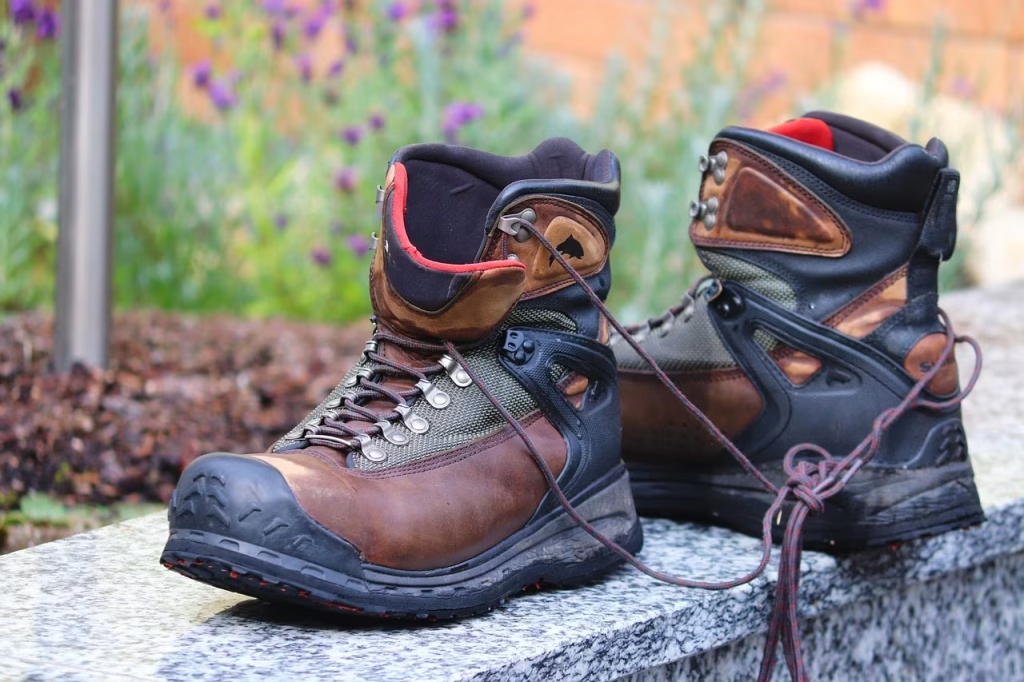
Walking safaris demand a different type of footwear – one that provides sturdy ankle support and protection from thorns, rocks, and other hazards. High-quality hiking boots or sturdy trail shoes are essential, offering both comfort and protection over longer distances. Waterproofing or water resistance is also a valuable feature, given Tanzania’s unpredictable rainfall patterns.

Camp and Lodge Shoe Options

For downtime at camps and lodges, you’ll appreciate comfortable, relaxed footwear. Lightweight sandals or soft, breathable shoes are perfect for lounging around camp or taking short strolls around the lodge. Consider shoes with a good grip to prevent slipping on potentially wet or smooth surfaces.

ActivityRecommended FootwearKey Features
Game DrivesLightweight, flexible shoesGood grip, neutral colors
Walking SafarisSturdy hiking boots or trail shoesAnkle support, waterproofing
Camp/LodgeLightweight sandals or soft shoesBreathability, good grip

Safari Headwear: Protection and Style

In the vast expanse of Tanzania’s savannas, a well-chosen hat or headscarf can be our best defense against the unforgiving environment. As we immerse ourselves in the wilderness, our headwear becomes an indispensable ally, shielding us from the elements while adding a touch of personal style to our adventure.

Effective safari headwear strikes a balance between protection and aesthetics. It’s not just about looking good; it’s about feeling good and being prepared for the challenges of the African terrain.

Wide-Brimmed Hats and Sun Protection

A wide-brimmed hat is an essential item for any Tanzania safari. It provides crucial protection for our face, neck, and ears from the intense African sun. Look for hats with a brim of at least 3 inches to ensure maximum coverage. Many modern safari hats also incorporate UPF 50+ protection, which blocks more than 99% of UV radiation.

Hat FeatureBenefit
Wide BrimProtects face, neck, and ears from sun
UPF 50+ ProtectionBlocks 99% of UV radiation
Breathable MaterialsEnhances comfort in warm climates

Bandanas and Neck Gaiters for Dust Control

Bandanas and neck gaiters are versatile accessories that serve multiple purposes on safari. They can protect our necks from dust and sun exposure, and some even offer additional protection against insect bites. Choose lightweight, breathable fabrics that can be easily washed or replaced during our journey.

“A good hat is like a good friend – it stays with you through thick and thin, through dust and sun.” – Unknown

By carefully selecting our safari headwear, we not only enhance our comfort and safety but also add a stylish dimension to our Tanzanian adventure. Whether we’re exploring the Serengeti or relaxing at a safari lodge, the right headwear makes all the difference.

Essential Accessories for Tanzania Safaris

Beyond the essentials of safari clothing, there are several accessories that can significantly enhance our Tanzania safari adventure. These accessories not only add to our comfort but also enrich our experience of the African wilderness.

As we prepare for our journey, it’s crucial to consider the little details that can make a big difference. From protecting our eyes to carrying our gear, the right accessories can elevate our safari experience.

Sunglasses and Eye Protection

Sunglasses are a must-have for any safari. They protect our eyes from the harsh African sun, reducing glare and enhancing our ability to spot wildlife. Look for sunglasses with polarized lenses and good UV protection to ensure your eyes stay comfortable throughout the day.

For those who wear prescription glasses, consider bringing a spare pair or investing in a prescription sunglasses solution. This ensures that you can enjoy the safari without compromising your vision.

Safari Bags and Daypacks

A good safari bag or daypack is essential for carrying all our gear during game drives and walking safaris. Opt for bags made from durable, weather-resistant materials that can withstand the elements.

Consider a bag with multiple compartments to keep your belongings organized. This will make it easier to find what you need quickly, whether it’s your camera, binoculars, or water bottle.

Binocular Straps and Camera Gear

For wildlife enthusiasts, binoculars are a vital piece of equipment. A comfortable binocular strap can make a big difference, allowing you to observe wildlife without fatigue.

Camera gear is another essential accessory. Bring a camera with a good zoom lens, and consider a camera strap that distributes the weight comfortably. Don’t forget extra batteries and memory cards to ensure you don’t miss a shot.

AccessoryPurposeRecommended Features
SunglassesEye ProtectionPolarized lenses, UV protection
Safari BagsCarrying GearDurable, weather-resistant, multiple compartments
BinocularsWildlife ViewingHigh magnification, comfortable strap
binoculars-431488_1280

Attire for Different Safari Types

As we venture into Tanzania’s wilderness, the type of safari we choose dictates our attire, ensuring both comfort and safety. The diverse landscapes and activities of Tanzanian safaris require a thoughtful approach to packing and dressing.

Clothing for Vehicle Safaris

For vehicle safaris, comfort and ease of movement are paramount. We recommend wearing breathable, neutral-colored clothing that allows for easy movement and doesn’t distract wildlife. A pair of comfortable, sturdy pants and a breathable shirt are essentials. Additionally, consider layers for temperature fluctuations during early morning and late evening drives.

Walking Safari Specific Gear

Walking safaris demand more robust gear, including sturdy, ankle-high boots that provide support and protection. We also recommend wearing protective clothing such as long-sleeved shirts and pants to safeguard against thorns and insects. A hat and sunglasses add extra protection against the elements.

Hot Air Balloon Safari Dress Code

For hot air balloon safaris, the dress code is more about comfort and layering for temperature control. We suggest wearing comfortable, layered clothing and sturdy shoes, as you’ll be standing during the flight. Although the balloon is tethered, safety is still a priority, so avoid loose items that could fall during the flight.

By dressing appropriately for the type of safari, we enhance our experience and ensure a memorable adventure in Tanzania’s wilderness.

Nighttime and Lodge Attire

As the African sun dips below the horizon, our attire transforms to reflect the serene ambiance of the safari lodge. The evening hours bring a sense of calm and relaxation, and our clothing choices should follow suit.

Comfortable Evening Wear

For a Tanzanian safari, comfortable evening wear is essential. We opt for lightweight, breathable fabrics that allow for a full range of motion, perfect for lounging around the lodge or taking a leisurely stroll under the stars. Soft cotton or modal fabrics are excellent choices, providing comfort without compromising on style.

Appropriate Dining Attire at Safari Lodges

When it comes to dining attire at safari lodges, we aim for a balance between casual elegance and respect for the local culture. Dressing modestly is key, avoiding overly revealing clothing. For men, a pair of lightweight trousers and a button-down shirt are suitable, while women can opt for a sundress or a skirt and blouse combination. A table comparing typical dining attire for men and women is provided below.

GenderRecommended Attire
MenLightweight trousers, button-down shirt
WomenSundress, skirt and blouse

By dressing thoughtfully for the evening, we not only show respect for the local culture but also enhance our overall safari experience. As we gather around the dinner table, our attire reflects our appreciation for the natural beauty and tranquility of our surroundings.

pexels-shvetsa-11368673

Specialized Safari Clothing Features to Look For

As we venture into Tanzania’s wilderness, our safari attire becomes a crucial element in ensuring a comfortable and safe journey. The unforgiving African sun and diverse wildlife demand clothing that not only respects the environment but also incorporates advanced features to protect us. Modern safari clothing is designed with the adventurer in mind, integrating technology that enhances our experience in the great outdoors. Two critical features stand out: UV protection and bug-repellent fabrics, and quick-dry and moisture-wicking materials.

The Importance of UV Protection and Bug-Repellent Fabrics

The Tanzanian sun can be relentless, making UV protection a vital feature in safari clothing. Fabrics treated with UV-protective finishes can significantly reduce the risk of sunburn, allowing us to enjoy the beauty of the savannah without the discomfort of sun exposure. Additionally, bug-repellent fabrics treated with safe, environmentally friendly chemicals help keep insects at bay, reducing the risk of bites and related diseases.

FeatureBenefitTechnology
UV ProtectionReduces sunburn riskUV-protective fabric finishes
Bug-RepellentMinimizes insect bitesEnvironmentally friendly chemical treatments

Quick-Dry and Moisture-Wicking Materials for Enhanced Comfort

Activity on safari can lead to perspiration, making quick-dry and moisture-wicking materials essential for comfort. These fabrics draw sweat away from the skin, allowing it to evaporate quickly, keeping us dry and comfortable even during the most active game drives or walks. This technology is particularly valuable in Tanzania’s varied climate, where temperatures can fluctuate significantly. By choosing clothing with these specialized features, we not only enhance our comfort and safety but also contribute to a more enjoyable and immersive safari experience. As we explore the wonders of Tanzania, our attire becomes an integral part of the journey, connecting us more deeply with the natural world around us.

pexels-karola-g-4210372

Photography-Friendly Safari Clothing

Capturing the essence of Tanzania’s wildlife requires not just a good camera, but also photography-friendly safari clothing that complements our passion for the wild. As we venture into the savannas, our attire plays a crucial role in enhancing our photography experience. When it comes to wildlife photography, the right clothing can make all the difference. We need attire that not only keeps us comfortable but also allows us to capture the perfect shot.

Functional Pockets and Camera-Ready Designs

One of the key features of photography-friendly safari clothing is the inclusion of functional pockets that allow us to carry our essential gear. These pockets should be strategically placed for easy access, ensuring that we can quickly retrieve our camera, lenses, or other equipment as needed.

Camera-ready designs also consider the photographer’s needs, often featuring reinforced stitching, durable materials, and a design that doesn’t distract from the surroundings. Such clothing enables us to move freely and quietly, getting up close to our subjects without being obtrusive.

Clothing Colors That Complement Wildlife Photography

The colors we wear on safari can significantly impact our wildlife photography. Neutral tones such as earthy browns, greens, and tans are ideal as they blend with the natural surroundings, allowing us to get close to our subjects without startling them. These colors also help in capturing natural, unobtrusive photographs.

Avoiding bright or flashy colors is crucial, as they can distract from the subject and potentially scare away the wildlife. By wearing the right colors, we can become a part of the landscape, enhancing our ability to capture authentic moments in the wild.

Top Safari Clothing Brands and Where to Shop

Embarking on a Tanzanian safari requires more than just a camera; it demands attire that complements the landscape. As we explore the best safari clothing brands, we’re guided by the principles of functionality, durability, and harmony with nature.

Premium Safari Outfitters

For those who seek the finest, premium safari outfitters offer exceptional quality and design. Brands like Patagonia and Armani Prive are renowned for their high-performance, eco-friendly safari clothing. Patagonia’s commitment to environmental responsibility is reflected in their use of recycled materials, while Armani Prive offers luxurious safari wear that combines style with practicality.

As one renowned safari guide once said,

“The right clothing can make all the difference between a good safari experience and a great one.”

Investing in premium safari attire not only enhances your experience but also supports sustainable tourism.

Budget-Friendly Alternatives

For travelers on a budget, there are still numerous options that offer quality without the hefty price tag. Brands like Columbia Sportswear and Untamed Africa provide durable, functional safari clothing at more accessible prices. Columbia Sportswear is known for its OutDry technology, which keeps you dry in wet conditions, while Untamed Africa offers safari gear that’s both practical and affordable.

Whether you’re looking to invest in premium safari attire or find budget-friendly alternatives, the key is to choose clothing that respects the environment and enhances your safari experience. By selecting the right brands, we not only ensure our comfort but also contribute to the conservation of Tanzania’s incredible wilderness.

Conclusion: Preparing Your Perfect Tanzania Safari Wardrobe

As we conclude our journey through the essentials of Tanzania safari attire, we are reminded that a well-prepared safari wardrobe is key to a successful and enjoyable experience. With the insights gained from understanding Tanzania’s diverse climate zones and wildlife viewing conditions, we can now approach our safari with confidence and poise.

By balancing practicality with style, respecting local culture, and being prepared for the varied conditions of the Tanzanian wilderness, we set ourselves up for a truly immersive experience. When preparing your safari wardrobe, consider the season, terrain, and activities you will be undertaking, and don’t hesitate to invest in quality, versatile pieces that will serve you well throughout your adventure.

With these Tanzania safari attire tips in mind, you are now better equipped to embark on your safari with a sense of wonder and awe, fully immersed in the beauty and majesty of Tanzania’s wilderness.

FAQ

What are the essentials to pack for a Tanzania safari?

Pack breathable clothing, neutral colors, sturdy footwear, sun protection, and layers for temperature fluctuations. Consider the season and type of safari you’re embarking on.

What is the best color palette for safari attire?

Neutral colors such as beige, khaki, and olive green are recommended as they allow you to blend into the natural surroundings, minimizing the risk of startling wildlife.

What type of footwear is best for a Tanzania safari?

For game drives, comfortable shoes are key. For walking safaris, sturdy, ankle-supporting boots are essential. Camp and lodge shoes should be comfortable and suitable for relaxed settings.

How do I dress for different types of safaris?

For vehicle safaris, prioritize comfort and ease of movement. Walking safaris require more robust gear, including sturdy boots and protective clothing. Hot air balloon safaris call for layers to adjust to temperature changes.

What are some specialized features to look for in safari clothing?

Look for clothing with UV protection, bug-repellent fabrics, quick-dry, and moisture-wicking materials to enhance comfort and safety during your safari.

What accessories are essential for a Tanzania safari?

Sunglasses, safari bags, daypacks, binocular straps, and camera gear are crucial for comfort, functionality, and capturing memories.

How should I dress for evening and lodge settings?

Opt for comfortable evening wear, and dress in casual elegance for dining at safari lodges, respecting local culture.

Are there specific clothing recommendations for the dry and green seasons?

During the dry season, focus on comfort and protection from the elements. In the green season, attire that can withstand occasional rain showers and blend with lush vegetation is recommended.

What are some top brands for safari clothing?

Premium outfitters like Patagonia, and budget-friendly alternatives like Columbia, offer high-quality, functional safari attire. Research brands that align with your needs and budget.

How can I ensure my clothing complements wildlife photography?

Choose clothing with functional pockets for easy access to gear, and neutral colors that won’t distract from the wildlife, enhancing your photography experience.
Loading itinerary…
Saved Trips