wondernest travel

pexels-nikiemmert-6072870

Unveiling Tanzania & Zanzibar’s Enchanting Seasons 

As we embark on a journey to unveil the enchanting seasons of Tanzania and Zanzibar, we invite you to explore the diverse landscapes and cultural events that make these destinations a unique travel experience. The serengeti sunsets and Zanzibar’s crystal waters beckon travelers seeking an authentic experience. Understanding the best time to visit Tanzania and Zanzibar is crucial for a memorable trip. With our guidance, you’ll discover valuable Tanzania and Zanzibar travel tips to make your journey even more enriching.

Key Takeaways

  • Discover the optimal seasons for visiting Tanzania and Zanzibar.
  • Explore the diverse landscapes and cultural events that make these destinations unique.
  • Learn valuable travel tips for a memorable trip.
  • Understand the importance of timing for witnessing the Great Migration.
  • Experience the enchanting beauty of Tanzania and Zanzibar.

The Diverse Landscapes of Tanzania and Zanzibar

As we journey through Tanzania and Zanzibar, we’re met with a tapestry of landscapes that redefine the essence of East Africa. From the snow-capped peaks of Mount Kilimanjaro to the pristine beaches of Zanzibar, this region is a testament to nature’s diversity.

Tanzania’s Geographical Wonders

Tanzania’s landscape is a marvel, with varied ecosystems that support a wide range of wildlife.

From Kilimanjaro to the Serengeti Plains

The majestic Mount Kilimanjaro stands tall as Africa’s highest peak, while the Serengeti Plains roll out like an endless canvas, hosting the Great Migration.

Coastal Regions and Lake Victoria

The coastal regions offer a blend of beach relaxation and marine life, while Lake Victoria provides a serene backdrop for water activities.

Zanzibar: The Spice Island Paradise

Zanzibar, with its unique archipelago geography, is a haven for those seeking tranquility and cultural richness.

Unique Archipelago Geography

The archipelago’s coral reefs and crystal-clear waters make it a snorkeler’s and diver’s paradise.

Historical Stone Town and Beach Areas

Stone Town is a labyrinth of history, with its ancient architecture and bustling markets, while the beach areas offer relaxation and water sports.

pexels-tkirkgoz-6067191

Understanding these diverse landscapes is key to planning your trip to Tanzania and Zanzibar. Whether you’re drawn to the rugged beauty of Tanzania or the island charm of Zanzibar, knowing when to go can enhance your travel experience.

Understanding East African Climate Patterns

As we explore the climate patterns of Tanzania and Zanzibar, we uncover the intricate balance between equatorial forces and oceanic influences. This balance shapes the diverse climates experienced across these regions.

The Equatorial Influence

Tanzania and Zanzibar’s proximity to the equator significantly impacts their climate. The equatorial region receives consistent sunlight throughout the year, leading to relatively stable temperatures.

How Proximity to the Equator Shapes Seasons

The equatorial influence results in a relatively stable temperature range, but the seasons are still affected by other factors such as altitude and oceanic effects.

Indian Ocean Effects on Coastal Climate

The Indian Ocean plays a crucial role in moderating the coastal climate of Tanzania and Zanzibar, keeping temperatures relatively mild and stable.

How Altitude Affects Weather in Tanzania

Altitude is another critical factor influencing the climate in Tanzania. Mountainous regions experience cooler temperatures compared to the lower-lying areas.

Mountain Microclimates

The mountainous regions of Tanzania create microclimates with unique weather patterns, distinct from the surrounding lower-altitude areas.

Temperature Variations Across Regions

Temperature varies significantly across different regions due to altitude differences, creating a diverse range of climates within Tanzania.

RegionAltitudeTemperature Range
Coastal AreasLowWarm to Hot
Mountainous RegionsHighCool to Mild
Inland PlainsMediumMild to Warm
mariola-grobelska-w24toLKeEdU-unsplash

The Best Time to Visit Tanzania and Zanzibar: An Overview

As we explore the enchanting world of Tanzania and Zanzibar, understanding the best time to visit becomes crucial for an unforgettable experience. The diverse landscapes and climates of these destinations offer a range of experiences throughout the year, making the timing of our visit a pivotal decision.

Peak Season vs. Off-Peak Advantages

The choice between peak and off-peak seasons depends on what we prioritize: witnessing the Great Migration, enjoying serene beaches, or experiencing the local culture without the crowds.

Crowd Levels Throughout the Year

During peak season, typically from June to October, the Great Migration draws large crowds to the Serengeti. In contrast, the off-peak seasons offer a more secluded experience, ideal for those seeking tranquility and a deeper connection with nature.

Peak season: Expect larger crowds and higher prices for accommodations and tours.

Off-peak season: Enjoy lower prices and a more intimate experience with the landscapes and local communities.

Price Considerations by Season

Prices for safaris, accommodations, and tour packages vary significantly between peak and off-peak seasons. Understanding these variations can help in planning a budget-friendly trip.

  • Peak season: Higher prices due to high demand.
  • Off-peak season: Lower prices, making it an attractive option for budget travelers.

Month-by-Month Climate Summary

Understanding the climate month by month is essential for planning activities and making the most of our visit.

Temperature and Rainfall Patterns

Tanzania and Zanzibar experience varied temperature and rainfall patterns throughout the year. The dry seasons offer clear skies and comfortable temperatures, while the wet seasons bring lush landscapes and replenished water sources.

Each month brings its unique highlights, from the Great Migration to cultural festivals. Planning around these events can enhance our experience.

  1. January: Short dry season, ideal for wildlife viewing.
  2. June to October: Peak safari season, witnessing the Great Migration.
  3. December: Holiday season, festive atmosphere in Zanzibar.

January to March: The Short Dry Season

The Short Dry Season, spanning from January to March, transforms Tanzania and Zanzibar into a paradise for nature lovers. During this period, the weather is generally dry and pleasant, making it an ideal time for both wildlife viewing and enjoying the beautiful beaches.

Wildlife Viewing Opportunities

The dry season brings numerous advantages for wildlife enthusiasts. The dry landscapes make it easier to spot animals as they congregate around water sources.

Calving Season in the Serengeti

One of the most spectacular events during this time is the calving season in the Serengeti, where thousands of wildebeest give birth to their young. This event is a dramatic display of nature’s cycle and attracts numerous predators.

Predator Activity and Bird Watching

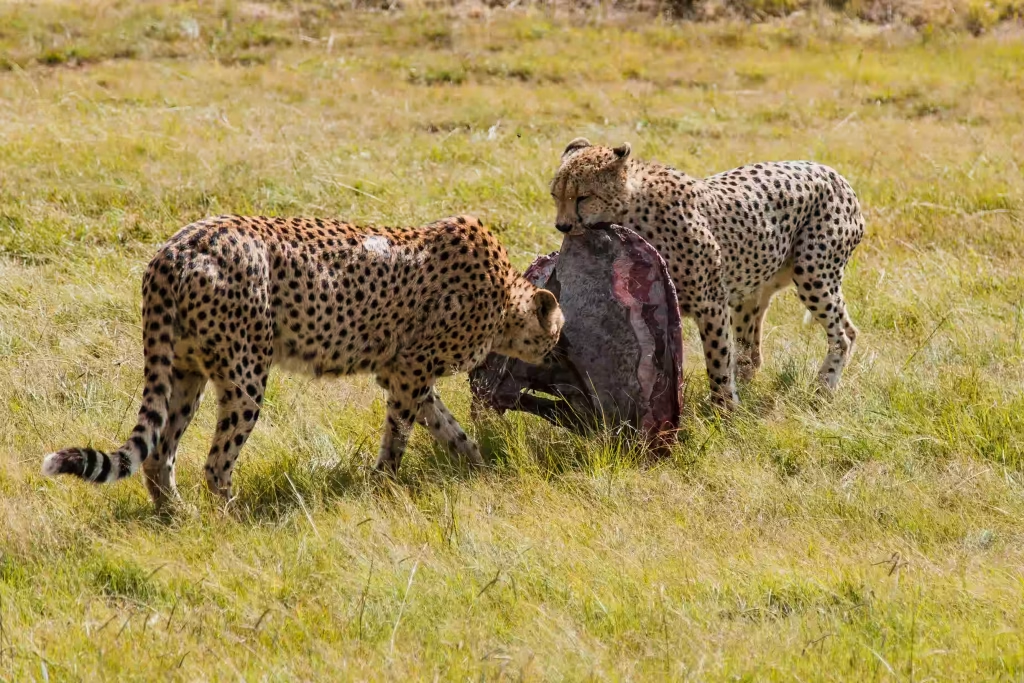
With the abundance of prey, predator activity increases, making it a thrilling time for safari-goers. Additionally, the dry season is excellent for bird watching, as many migratory birds are present in the region.

ash-edmonds--fCBoXRSeiE-unsplash

Zanzibar Beach Conditions

Zanzibar’s beaches are particularly inviting during the Short Dry Season. The clear skies and calm seas create perfect conditions for various water activities.

Water Clarity and Temperature

The waters around Zanzibar are crystal clear, offering excellent visibility for snorkeling and diving. The sea temperature is pleasant, making it ideal for swimming and other water sports.

Beach Activities and Water Sports

From relaxing on the pristine beaches to engaging in activities like kayaking, paddleboarding, or deep-sea fishing, Zanzibar offers a wide range of experiences during this season.

Overall, the Short Dry Season is one of the best times for a Tanzania and Zanzibar trip, offering a mix of exciting wildlife viewing opportunities and relaxing beach experiences. It’s a great period to visit if you’re looking to make the most of your Tanzania and Zanzibar tourism calendar.

April to May: The Long Rains

As the calendar flips to April, Tanzania and Zanzibar are transformed by the long rains, bringing a lush vibrancy to the landscape. This period, while challenging for some travelers, offers a unique perspective on these African destinations.

Safari Considerations During Wet Season

The long rains significantly impact safari experiences in Tanzania. While some areas become inaccessible due to flooding, others reveal hidden gems.

Lush Landscapes and Photography

The wet season brings forth a kaleidoscope of colors, making it an ideal time for photographers. The lush landscapes and newborn animals provide endless opportunities for capturing stunning images.

Road Conditions and Accessibility

However, the rains can make some roads impassable, limiting access to certain areas. It’s essential to plan carefully and choose safari operators who are experienced in navigating these conditions.

Budget Travel Advantages

Traveling during the long rains can be cost-effective. Many lodges and tour operators offer discounts to attract visitors during this off-peak season.

Accommodation Discounts

Some of the most luxurious lodges offer significant discounts, making high-end safaris more accessible to budget-conscious travelers.

Exclusive Safari Experiences

With fewer tourists, the long rains provide an opportunity for more intimate and exclusive safari experiences. Guides can offer more personalized attention, and the landscapes are particularly breathtaking.

AspectWet Season (April-May)Dry Season
LandscapeLush and greenDry and arid
Photography OpportunitiesNewborn animals, vibrant colorsWildlife congregating around water sources
AccessibilitySome areas may be inaccessibleGenerally more accessible
CostDiscounts availablePremium pricing

By understanding the pros and cons of visiting during the long rains, travelers can make informed decisions about their Tanzania and Zanzibar adventure.

June to October: Prime Safari Season

As we step into the prime safari season, Tanzania and Zanzibar reveal their most breathtaking moments. The months from June to October are characterized by the Great Migration spectacle, a natural wonder that draws travelers from around the world.

The Great Migration Spectacle

The Great Migration is a highlight of the prime safari season, with over a million wildebeest, zebras, and gazelles making their way across the Serengeti. This event is not just about the sheer numbers; it’s about the drama and intensity of the river crossings and predator interactions.

River Crossings and Predator Interactions

The Mara River crossing is one of the most thrilling aspects of the Great Migration. Here, predators like crocodiles and lions lie in wait, making every crossing a potentially life-threatening event. Witnessing these moments is a once-in-a-lifetime experience for many safari-goers.

Best Viewing Locations by Month

MonthLocationHighlights
JuneSerengeti’s Western CorridorStart of the Great Migration
JulyGrumeti RiverDramatic river crossings
AugustMara River, Kenya/Tanzania borderPeak migration season

Perfect Weather for Zanzibar Beaches

While the mainland is bustling with wildlife activity, Zanzibar’s beaches are enjoying perfect weather, making it an ideal time for relaxation and water activities. The dry season ensures clear skies and calm seas, perfect for snorkeling and diving.

Ideal Conditions for Snorkeling and Diving

Zanzibar’s waters are crystal clear during these months, offering visibility of up to 40 meters. This makes it an ideal time to explore the underwater world, including coral reefs and marine life.

Sunset Cruises and Beach Activities

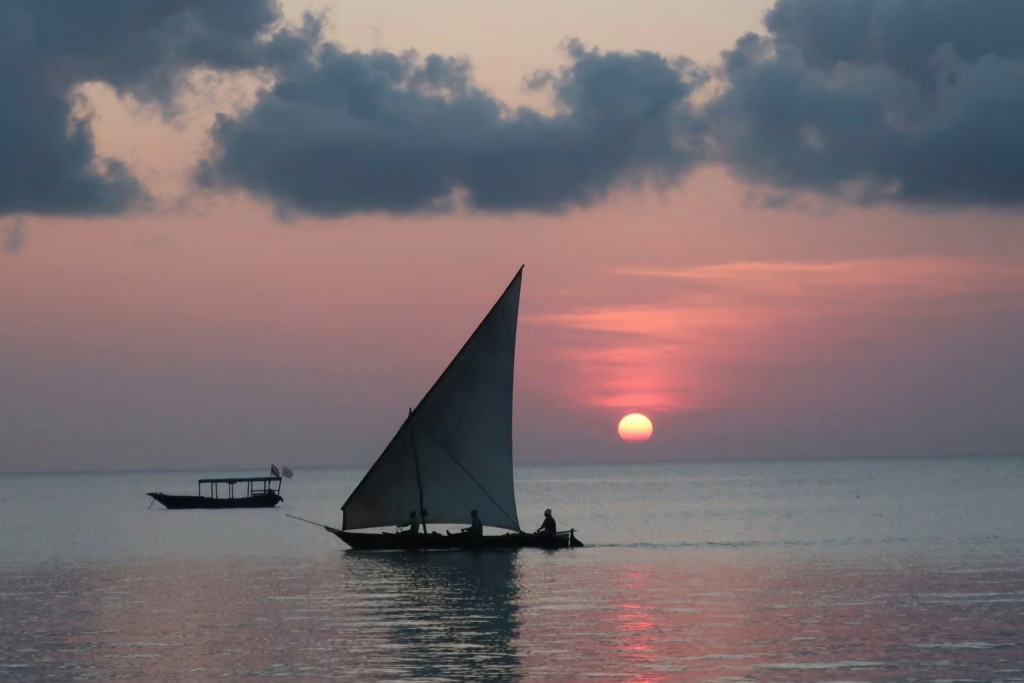
The calm seas and clear skies also make it perfect for sunset cruises and various beach activities. Visitors can enjoy swimming, kayaking, or simply relaxing on the beach as the sun sets over the Indian Ocean.

For more information on exploring Zanzibar during this period, visit WonderNest Travel.

camilla-frederiksen-DDBQWBv-nmk-unsplash (1)

“The Great Migration is a testament to the wild beauty of Africa, a spectacle that never fails to awe and inspire.”

— Guide to Tanzania Safaris

November to December: The Short Rains

As the calendar flips to November, Tanzania and Zanzibar embrace the short rains, ushering in a season of renewal and vibrant landscapes. This period, though often overlooked, offers unique experiences for travelers seeking to avoid the crowds and immerse themselves in the lush beauty of East Africa.

Green Season Wildlife Viewing

The short rains bring forth a myriad of wildlife viewing opportunities. The landscape, now lush and green, attracts a variety of species.

Migration Movements South

As the rains progress, the great migration begins its journey south, offering spectacular viewing in the southern parts of the Serengeti and beyond.

Birdwatching Opportunities

The green season is a paradise for birdwatchers, with migratory birds joining the resident species, creating a kaleidoscope of colors and sounds.

Wildlife ActivityLocationBest Time
Great MigrationSouthern SerengetiNovember
Migratory BirdsVarious wetlandsDecember

Holiday Season in Tanzania and Zanzibar

The short rains coincide with the holiday season, bringing a festive atmosphere to Tanzania and Zanzibar.

Christmas and New Year Celebrations

Many lodges and resorts offer special celebrations, combining traditional Tanzanian culture with modern festivities.

Festive Season Travel Tips

Travelers should book accommodations well in advance and be prepared for potentially higher prices during this peak holiday period.

ilya-semenov-Zzd7ZcSXCVs-unsplash

With careful planning, visitors can enjoy the best of both worlds: the natural beauty of the green season and the joy of the holiday celebrations.

Regional Climate Variations Across Tanzania

As we explore Tanzania, we find that its climate is a mosaic of different conditions across various regions. This diversity is a result of the country’s vast geographical differences, ranging from the snow-capped mountains to the arid plains and the coastal islands. Understanding these regional climate variations is crucial for planning a successful safari or trip to Zanzibar.

Northern Circuit (Serengeti & Ngorongoro)

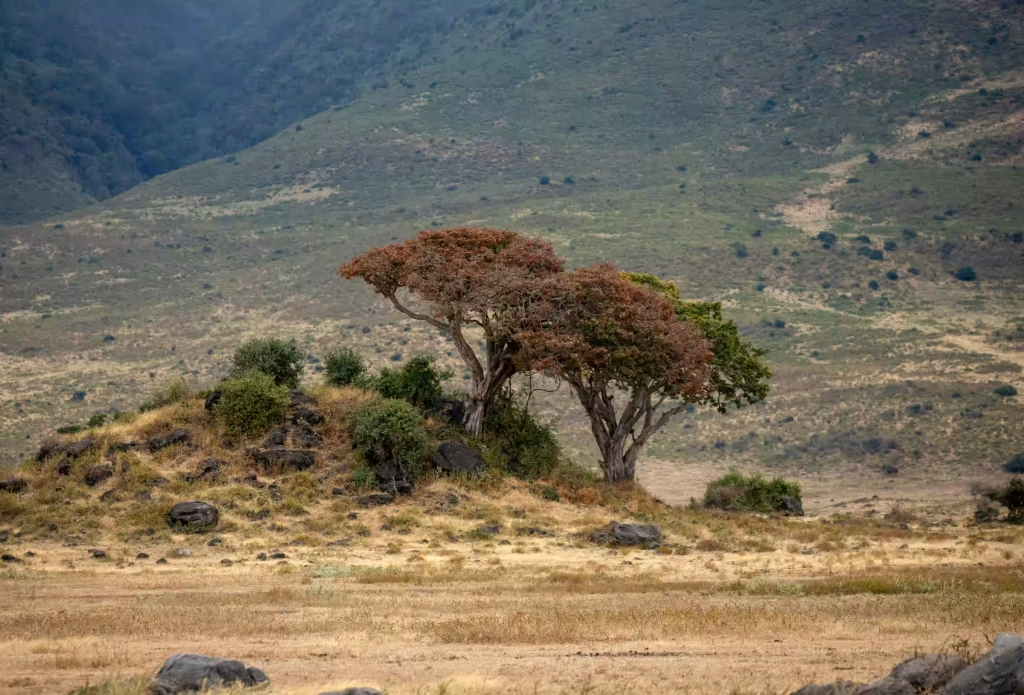
The Northern Circuit, home to the Serengeti and Ngorongoro Conservation Area, experiences a climate that is influenced by its altitude and geographical features.

Seasonal Access to Crater and Plains

The Ngorongoro Crater is accessible year-round, but the surrounding plains and the Serengeti can be affected by the rainy seasons, making some areas muddy and difficult to navigate.

Temperature Fluctuations

Temperatures in the Serengeti can fluctuate significantly between day and night, especially during the dry season. It’s not uncommon for the temperature to drop to around 40°F (4°C) at night, while rising to 80°F (27°C) during the day.

Southern Circuit (Ruaha & Selous)

The Southern Circuit, comprising Ruaha and Selous, has a distinct climate characterized by its dry and rainy seasons.

Dry Season Wildlife Concentrations

During the dry season, wildlife in Ruaha and Selous concentrates around water sources, making it an ideal time for spotting animals.

Rainy Season Transformations

The rainy season transforms the landscapes of Ruaha and Selous into lush, green habitats, attracting a different set of wildlife and offering a unique safari experience.

Western Tanzania (Mahale & Katavi)

Western Tanzania, including Mahale Mountains and Katavi National Park, has a climate influenced by its proximity to Lake Tanganyika and the surrounding mountain ranges.

Chimpanzee Tracking Seasons

The best time for chimpanzee tracking in Mahale is during the dry season when the trails are less muddy and more accessible.

Remote Park Accessibility

Katavi National Park can be challenging to access during the rainy season due to poor road conditions, making the dry season the best time to visit.

hongbin-45y1paXSbmw-unsplash

Understanding these regional climate variations is key to planning your trip to Tanzania and Zanzibar. Whether you’re heading to the Serengeti, Ruaha, or Zanzibar, being aware of the local climate conditions will help you make the most of your journey.

Zanzibar’s Microclimate: When to Enjoy the Island

As we explore the enchanting island of Zanzibar, we discover its unique microclimate, offering a distinct blend of conditions perfect for various activities. This tropical paradise, with its rich history and vibrant culture, is a destination that promises an unforgettable experience.

Best Months for Swimming and Snorkeling

The crystal-clear waters of Zanzibar make it an ideal spot for swimming and snorkeling. The best months for these activities are from June to October, when the ocean is calm and visibility is at its peak.

Water Visibility Calendar

MonthVisibility (meters)
January15-20
June25-30
October20-25

Marine Life Seasonal Patterns

The waters around Zanzibar are home to a diverse array of marine life. Sea turtles and whale sharks can be spotted during certain times of the year, with the peak season being from July to September.

Seasonal Wind Patterns and Water Activities

Zanzibar’s wind patterns play a significant role in determining the best times for water activities. Understanding these patterns can enhance your experience on the island.

Kaskazi and Kusi Winds

The island experiences two main wind seasons: Kaskazi (December to March) and Kusi (April to October). These winds influence the conditions for kitesurfing and sailing.

Kitesurfing and Sailing Seasons

The Kusi winds create ideal conditions for kitesurfing, making it a popular activity during this period. Sailing, on the other hand, can be enjoyed throughout the year, with the best conditions typically found during the Kaskazi season.

Wildlife Viewing Calendar: Timing Your Safari

The rhythm of Tanzania’s wildlife is dictated by the seasons, with the Great Migration being the most spectacular event. As we explore the best times for wildlife viewing, we uncover a world where nature’s calendar is marked by the majestic movements of animals across the savannas and grasslands.

Great Migration Monthly Movements

The Great Migration is a year-round spectacle, with different months offering unique viewing opportunities. Understanding these movements is crucial for planning your safari.

January-June: Southern and Central Serengeti

From January to June, the southern and central parts of the Serengeti are teeming with life. The calving season in January and February brings predators and prey together in a dramatic display of nature’s cycle. As the months progress, the herds begin their migration northwards, passing through the central Serengeti.

July-December: Northern Serengeti and Masai Mara

By July, the herds have reached the northern Serengeti and the Masai Mara in Kenya, creating a spectacular display of wildebeest, zebras, and gazelles. The river crossings, particularly in August and September, are highlights of the migration, showcasing the bravery and resilience of the animals.

Resident Wildlife Viewing Year-Round

While the Great Migration is a major draw, Tanzania is also home to a diverse range of resident wildlife that can be spotted throughout the year.

Big Five Sighting Opportunities

The Big Five—lion, leopard, rhinoceros, elephant, and Cape buffalo—are present in various national parks and reserves. The Serengeti, Ngorongoro Crater, and Tarangire are among the top locations for spotting these iconic animals.

Specialized Wildlife Interests by Season

Different seasons offer opportunities to see specific wildlife. For example, the green season (November to May) is ideal for birdwatching, with migratory birds adding to the local avifauna. The dry season (June to October) concentrates wildlife around water sources, making them easier to spot.

MonthGreat MigrationResident Wildlife
JanuaryCalving season in southern SerengetiBirdwatching, newborn animals
JulyNorthern Serengeti, river crossingsBig Five sightings
NovemberShort rains, green landscapesMigratory birds, lush vegetation
pexels-mimi-3458731-19129371

Cultural Festivals and Events Throughout the Year

Throughout the year, Tanzania and Zanzibar host a variety of cultural festivals that are a testament to their diverse cultural landscape. These events offer a unique glimpse into the rich heritage and traditions of the region, making them an essential part of any visit to Tanzania and Zanzibar.

Zanzibar’s Festival Calendar

Zanzibar’s cultural scene is vibrant, with several festivals that attract visitors from around the world. Two of the most notable events are:

Sauti za Busara Music Festival

This annual music festival, which translates to “the wisdom of Busara,” celebrates African music and culture. It brings together local and international artists, showcasing a diverse range of musical styles.

Zanzibar International Film Festival

A celebration of cinema from Africa, the Indian Ocean, and beyond, this festival promotes cultural exchange through the medium of film. It’s a unique opportunity to experience the rich cultural heritage of the region through a different lens.

Mainland Tanzania Celebrations

Mainland Tanzania is home to numerous cultural festivals and events that reflect its diverse ethnic and cultural heritage.

Traditional Tribal Festivals

Various tribes across Tanzania celebrate their unique traditions through festivals that often include music, dance, and traditional attire. These events provide a fascinating insight into the country’s cultural diversity.

National Holidays and Celebrations

Tanzania’s national holidays, such as Independence Day, are celebrated with great fervor, reflecting the country’s pride in its history and sovereignty.

EventLocationTime of Year
Sauti za Busara Music FestivalZanzibarFebruary
Zanzibar International Film FestivalZanzibarJuly
Traditional Tribal FestivalsMainland TanzaniaVaries by tribe
Independence DayMainland TanzaniaDecember 9th

Experiencing these cultural festivals and events is a great way to enhance your visit to Tanzania and Zanzibar, offering insights into the local culture and traditions. When planning your trip, consider timing it around one of these events to enrich your travel experience.

Practical Considerations for Seasonal Travel

To truly immerse oneself in the wonders of Tanzania and Zanzibar, one must consider the practicalities of traveling through the different seasons. As we prepare for our journey, understanding the seasonal nuances becomes essential for a seamless and enjoyable experience.

Packing Essentials by Season

Packing appropriately is crucial for comfort and enjoyment. Dry Season Necessities include lightweight, breathable clothing and sun protection, while Wet Season Must-Haves involve waterproof gear and sturdy footwear.

Dry Season Necessities

During the dry season, the focus is on comfort and protection from the sun. Essentials include:

  • Lightweight, breathable clothing
  • Sun hat and sunglasses
  • Sunscreen with high SPF

Wet Season Must-Haves

The wet season demands preparation for rain and potentially muddy conditions:

  • Waterproof jacket and pants
  • Sturdy, waterproof boots
  • Insect repellent

Health Considerations Throughout the Year

Health considerations are paramount, regardless of the season. Malaria Prevention is a year-round concern, with specific strategies for different seasons. Additionally, Sun Protection and Hydration remain constant priorities.

Malaria Prevention by Season

Malaria prevention strategies may vary by season due to changes in mosquito populations:

SeasonPrevention Strategy
Dry SeasonFocus on insect repellent and clothing
Wet SeasonInclude mosquito nets and consider prophylaxis

Sun Protection and Hydration

Regardless of the season, protecting oneself from the sun and staying hydrated are crucial:

  • Use sunscreen with high SPF
  • Wear a hat and sunglasses
  • Drink plenty of water

Transportation Challenges During Rainy Seasons

During the rainy seasons, transportation can become challenging. Understanding the impact on Road Conditions and Park Access as well as Flight Schedules and Reliability is essential for planning.

Road Conditions and Park Access

Rain can significantly affect road conditions, potentially limiting access to certain parks and areas:

  • Check park access before heading out
  • Consider 4×4 vehicles for safaris

Flight Schedules and Reliability

While flights are generally reliable, it’s wise to check schedules in advance and remain flexible:

  • Monitor weather forecasts
  • Have contingency plans

Accommodation Options and Seasonal Availability

The diverse landscapes of Tanzania and Zanzibar demand a range of accommodations, each with its unique charm and seasonal availability. As we journey through these enchanting destinations, understanding the accommodation options becomes crucial for a seamless travel experience.

Safari Lodges and Seasonal Closures

Safari lodges in Tanzania offer a range of experiences, from luxury to rustic adventure. Some lodges close during the off-season due to heavy rains or maintenance needs.

Mobile Camps Following Migration

Mobile camps are a unique accommodation option that follows the Great Migration, offering travelers a chance to be at the heart of this spectacular event. These camps are typically operational during the migration season, providing luxury and comfort amidst the wilderness.

Year-Round Lodging Options

Some safari lodges remain open year-round, offering consistent comfort and service. These lodges are often located in areas less affected by seasonal changes, providing a stable base for exploring Tanzania’s natural wonders.

Zanzibar Hotels: High Season vs. Low Season

Zanzibar’s hotels and resorts cater to a variety of tastes, with offerings that change between high and low seasons. During peak travel times, beachfront resorts are at their most vibrant, offering a range of activities and luxurious amenities.

Beachfront Resorts Seasonal Offerings

Beachfront resorts in Zanzibar adjust their offerings according to the season. During the high season, they offer a full range of activities, including snorkeling, diving, and cultural tours. In the low season, they may offer special packages and discounts, making them more accessible to budget-conscious travelers.

Stone Town Accommodations Year-Round

Accommodations in Stone Town, Zanzibar’s historic heart, remain open year-round. These hotels and guesthouses offer a glimpse into the island’s rich history and culture, with a consistent level of service regardless of the season.

Budget Planning: How Seasons Affect Costs

Tanzania and Zanzibar’s enchanting seasons come with varying price tags that savvy travelers should consider. As we plan our journey to this East African paradise, understanding the impact of seasonal changes on our budget becomes essential.

High Season Premium Pricing

During peak season, typically from June to October, prices for safaris and accommodations in Zanzibar surge due to high demand. This period coincides with the Great Migration spectacle in the Serengeti, making it the most popular time for wildlife viewing.

Peak Season Safari Costs

Safari costs during peak season can be significantly higher due to the demand for luxury lodges and high-end tour packages. For instance, a luxury safari package might cost upwards of $1,500 per person per night.

Zanzibar Accommodation Price Fluctuations

Zanzibar’s luxury resorts also increase their rates during peak season, with some properties doubling their prices. Budget-conscious travelers may find it challenging to secure affordable accommodations.

Off-Season Discounts and Deals

Traveling during the off-season can offer significant savings. The green season, which includes the long rains from April to May, presents opportunities for discounted safari packages and hotel stays.

Green Season Safari Specials

Safari operators often offer specials during the green season to attract travelers. These packages can include discounted rates on accommodations and tours.

Shoulder Season Value Opportunities

The shoulder season, which includes the months just before and after the peak season, offers a balance between reasonable prices and favorable weather conditions. Travelers can enjoy lower rates without sacrificing too much in terms of experience.

SeasonSafari CostsZanzibar Accommodation
Peak Season (Jun-Oct)$1,500+$500+
Green Season (Apr-May)$800-$1,200$200-$400
Shoulder Season (Nov-Mar)$1,000-$1,500$300-$500

Photography Tips for Tanzania and Zanzibar’s Changing Seasons

With camera in hand, we embark on a journey through Tanzania and Zanzibar’s seasons, discovering the photographic gems that each period brings. As we traverse this enchanting region, the diverse landscapes and climates offer a wealth of opportunities for capturing stunning images.

Capturing the Dry Landscape

The dry season brings a unique set of photographic opportunities, with the parched earth and sparse vegetation creating a dramatic backdrop for wildlife viewing.

Golden Light and Dust Effects

The golden light of dawn and dusk casts a warm glow over the landscape, while the dust kicked up by animals creates a dynamic atmosphere. To capture this effect, use a slow shutter speed to convey the motion and energy of the scene.

Wildlife at Waterholes

As water becomes scarce, wildlife congregates around remaining waterholes, creating a photographer’s paradise. Use a telephoto lens to capture the intimate moments between animals as they gather to drink.

Green Season Photography Opportunities

The green season transforms the landscape into a lush, vibrant world, teeming with newborn wildlife and dramatic skies. Here are some tips for capturing the essence of this season:

Dramatic Skies and Storms

The green season is characterized by dramatic skies and sudden storms, creating a dynamic atmosphere. Use a wide-angle lens to capture the full extent of the stormy weather.

Lush Backdrops and Newborn Wildlife

The lush vegetation provides a stunning backdrop for capturing the innocence of newborn animals. Look for opportunities to photograph these young creatures as they take their first steps in the vibrant landscape.

  • Use natural light to enhance the colors and textures of the scene
  • Experiment with different angles to add depth to your photographs
  • Be patient and prepared for unexpected moments

By understanding the seasonal changes in Tanzania and Zanzibar, photographers can plan their trip during the best time for Tanzania and Zanzibar trip, ensuring a wealth of opportunities to capture the region’s diverse beauty.

Conclusion: Planning Your Perfect Tanzania and Zanzibar Adventure

As we conclude our journey through Tanzania and Zanzibar’s enchanting seasons, we have gathered valuable insights to help you plan your ideal adventure. Understanding the diverse landscapes and climate patterns is crucial in determining the ideal time to explore Tanzania and Zanzibar. With our Tanzania and Zanzibar weather guide, you can now make informed decisions about your trip.

Whether you’re seeking a safari experience, a relaxing beach vacation, or a cultural exploration, Tanzania and Zanzibar have something to offer in every season. From the Great Migration spectacle to the perfect weather for Zanzibar beaches, every experience is unique and transformative.

As you plan your trip, consider the practical considerations, cultural events, and regional climate variations to make the most of your adventure. With this knowledge, you’ll be well-equipped to navigate the best times to visit, ensuring a truly unforgettable experience in these East African gems.

FAQ

What is the best time to visit Tanzania and Zanzibar?

The best time to visit Tanzania and Zanzibar depends on your preferences and the experiences you’re looking for. The dry season, from June to October, is ideal for wildlife viewing and witnessing the Great Migration. For a more relaxed atmosphere and lower prices, consider the green season, from November to May.

What are the peak tourist seasons in Tanzania and Zanzibar?

Peak tourist seasons in Tanzania and Zanzibar occur during the dry season, from June to October, and during the holiday season, from December to January. These periods attract larger crowds and higher prices.

How does the climate vary across different regions of Tanzania?

Tanzania’s climate varies significantly across different regions. The Northern Circuit, including the Serengeti and Ngorongoro, experiences a dry season from June to October, while the Southern Circuit, including Ruaha and Selous, has a dry season from May to October. Western Tanzania, including Mahale and Katavi, has a more consistent climate year-round.

What are the best months for swimming and snorkeling in Zanzibar?

The best months for swimming and snorkeling in Zanzibar are from October to March, when the water is calm and clear. The visibility is highest during these months, making it ideal for spotting marine life.

How do the Great Migration movements vary throughout the year?

The Great Migration movements vary throughout the year, with the herds moving between the Serengeti and Masai Mara. From January to June, the herds are in the southern and central Serengeti, while from July to December, they move to the northern Serengeti and Masai Mara.

What cultural festivals and events can I experience in Tanzania and Zanzibar?

Tanzania and Zanzibar host various cultural festivals and events throughout the year. Some notable events include the Sauti za Busara Music Festival in Zanzibar, the Zanzibar International Film Festival, and traditional tribal festivals on the mainland.

What are the must-have items to pack for a safari in Tanzania?

Essential items to pack for a safari in Tanzania include lightweight and breathable clothing, comfortable walking shoes, a hat, sunglasses, sunscreen, and insect repellent. It’s also recommended to bring a camera, binoculars, and a reusable water bottle.

How do the seasons affect accommodation prices in Zanzibar?

Accommodation prices in Zanzibar tend to be higher during the peak tourist seasons, from June to October and December to January. During the green season, from November to May, prices tend to be lower, offering more affordable options for travelers.

What are the photography tips for capturing the beauty of Tanzania and Zanzibar?

To capture the beauty of Tanzania and Zanzibar, consider the golden light during the early morning and late afternoon, and use a telephoto lens to capture wildlife. During the green season, take advantage of the lush backdrops and dramatic skies. Don’t forget to respect your subjects and the environment when taking photos.
Loading itinerary…
Saved Trips