wondernest travel

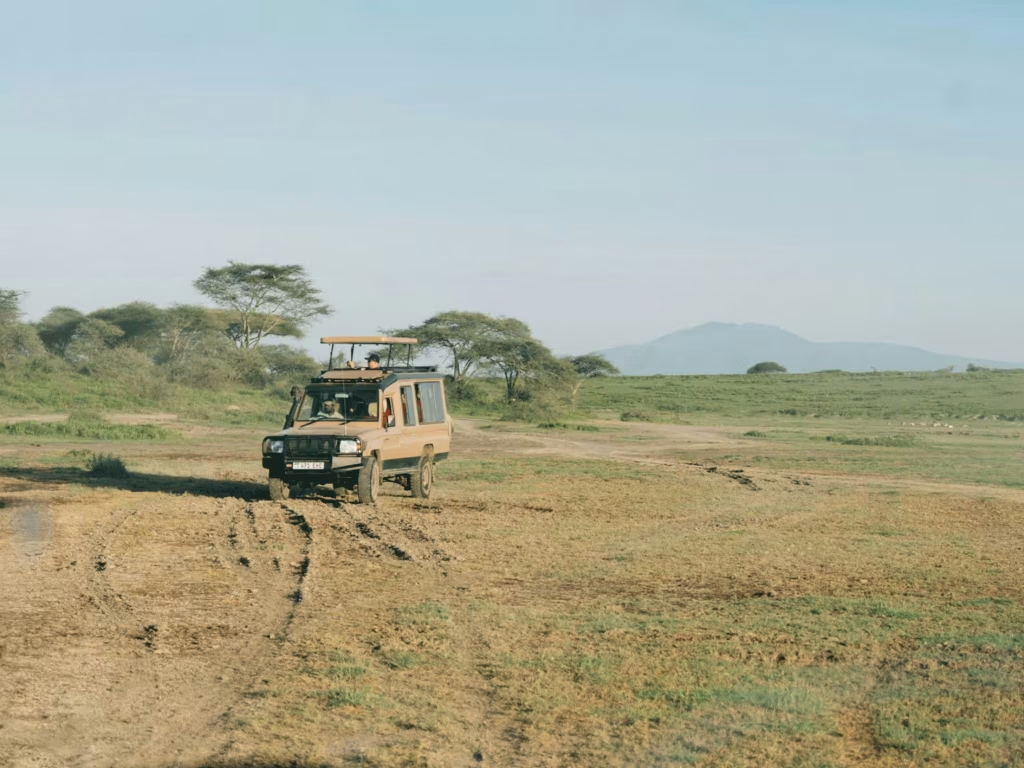
Game-driver

Comprehensive Guide & Travel Advice For Tanzania 

As we embark on this journey to unveil the majesty of Tanzania’s wildlife, we invite you to immerse yourself in the rich tapestry of experiences that this incredible country has to offer. From the vast plains of the Serengeti to the majestic peaks of Kilimanjaro, a land of breathtaking beauty and diverse wildlife awaits. In this comprehensive guide, we will share our insights and expertise to help you plan an unforgettable adventure in this incredible destination.

Key Takeaways

  • Discover the diverse wildlife of Tanzania’s national parks
  • Explore the majestic landscapes of the Serengeti and beyond
  • Learn about African wildlife conservation efforts
  • Plan your trip with expert travel advice
  • Experience the rich cultural heritage of Tanzania

Introduction to Tanzania Travel

As we embark on a journey to explore Tanzania, we uncover a land of unparalleled beauty and rich cultural heritage. This East African nation is a treasure trove of diverse landscapes, vibrant cultures, and unforgettable experiences. Tanzania’s allure lies in its ability to seamlessly blend the modern world with ancient wilderness, creating a unique travel experience that is both exhilarating and transformative. From the bustling streets of Dar es Salaam to the serene landscapes of the Serengeti, every moment in Tanzania is a discovery.
Overview of Tanzania’s Tourism Landscape

Tanzania’s tourism landscape is as diverse as it is breathtaking, offering a wide range of experiences that cater to all kinds of travelers. The country’s natural beauty is its most striking feature, with iconic destinations like the Serengeti National Park and Kilimanjaro Mountain drawing visitors from around the globe. The tourism sector in Tanzania is characterized by its emphasis on sustainable and eco-friendly practices, ensuring that the natural beauty and cultural heritage of the country are preserved for future generations. This approach not only enhances the travel experience but also contributes to the local economy and conservation efforts.

Key Attractions and Experiences

Tanzania is renowned for its best safari locations, offering top Tanzania wildlife experiences that are unparalleled anywhere else in the world. The Serengeti, with its annual migration of wildebeest, zebra, and gazelle, is a highlight for wildlife enthusiasts. Exploring Tanzania’s diverse wildlife ecosystem is an adventure like no other, with opportunities to witness the Big Five – lion, leopard, rhinoceros, elephant, and Cape buffalo – in their natural habitats.

Beyond its wildlife, Tanzania is also home to a rich cultural heritage, with over 120 ethnic groups contributing to its vibrant cultural tapestry. Visitors can immerse themselves in local traditions and customs by visiting rural villages, attending cultural festivals, or participating in community-based tourism initiatives.

  • Experience the annual wildebeest migration in the Serengeti
  • Climb Kilimanjaro, Africa’s highest peak
  • Relax on the pristine beaches of Zanzibar
  • Explore the historic Stone Town in Zanzibar
  • Visit the Ngorongoro Crater, a UNESCO World Heritage Site

Tanzania’s unique blend of natural beauty, cultural richness, and adventure activities makes it a compelling destination for travelers seeking a meaningful and transformative experience.

Best Time to Visit Tanzania

As we explore the wonders of Tanzania, understanding the best time to visit is crucial for an unforgettable experience. The country’s diverse climate and weather patterns play a significant role in determining the ideal time for various activities and experiences.

Climate and Weather Patterns

Tanzania’s climate varies from tropical to temperate, depending on the region. The coastal areas are generally warm and humid, while the highlands are cooler and more temperate. The country experiences two main rainy seasons: the long rains from March to May and the short rains from November to December. The dry seasons, which are ideal for tanzania wildlife photography, occur from June to October and from January to February. During these periods, the weather is dry and clear, making it easier to spot wildlife in the Tanzania national parks.

roya-ann-miller-R9aGMjQHBrQ-unsplash

We introduce you to utandawazi – our Swahili concept of worldliness manifested through 120 tribes creating one community. Each group maintains unique

Peak Tourist Seasons

The peak tourist season in Tanzania is from June to October, coinciding with the dry season and the great migration in the Serengeti. This period offers incredible Tanzania wildlife encounters as animals congregate around water sources, making them easier to spot.

  • The great migration, a spectacle of nature, occurs between July and August.
  • The dry season makes wildlife viewing easier due to the concentration of animals around waterholes.
  • The weather is generally pleasant, with clear skies and comfortable temperatures.

Off-Peak Advantages

Visiting Tanzania during the off-peak season has its advantages. The landscapes are lush and green after the rains, and the scenery is particularly beautiful. Additionally, the lower tourist numbers mean that you can have more intimate and peaceful experiences in the Tanzania national parks.

  1. The green landscapes after the rainy season offer unique photographic opportunities.
  2. Fewer tourists result in a more serene and personal experience.
  3. Prices for accommodations and tours may be lower, making it a more budget-friendly option.

In conclusion, the best time to visit Tanzania depends on your preferences and what you want to experience. Whether you’re looking for the excitement of the great migration or the tranquility of the off-peak season, Tanzania has something to offer throughout the year.

Getting to Tanzania

Embarking on a journey to Tanzania begins with navigating the country’s major international airports, a crucial first step in experiencing the wonders that await. As guardians of this incredible destination, we are committed to supporting responsible tourism practices that benefit both the local communities and the conservation of Tanzania’s incredible tanzania wildlife.

heritage while contributing to our collective harmony.

A Melting Pot of 120 Tribes

This rare social phenomenon emerged from geographical fortune. The Great Rift Valley’s waters attracted diverse peoples to these fertile lands over generations. Experience beautiful cultural exchanges where tribes playfully tease each other’s traditions. They maintain deep respect for differences while celebrating shared humanity. Witness how permanent waters from the Rift Valley’s lakes make this region an agricultural heartland. Red onions and bananas from our soil travel nationwide.

The Significance of the “River of Mosquitoes”

Understand the geological poetry behind our home’s name. Tectonic shifts created water abundance that supports life more than insects. This name represents not pestilence but prosperity. Water means life, growth, and community sustenance in our arid region. Discover how river irrigation systems support banana plantations that become economic engines for local families. The waters enable cultural richness from traditional beer brewing to community rituals. This “mosquito river” truly flows with milk and honey of cultural wealth. It feeds both body and soul with agricultural abundance that sustains our community.

Immersive Cultural Experiences and Village Life

Step beyond safari vehicles into living culture where every path pulses with ancestral wisdom. We welcome you to walk through ngazi za maisha – the steps of life that reveal our community’s deepest rhythms. This is where transformation happens not through observation but participation. You become part of our daily tapestry, weaving your story into ours through shared experiences.

Major International Airports

Tanzania is served by several major international airports, each offering a unique gateway to the country’s diverse landscapes and attractions. The primary international airport is the Julius Nyerere International Airport (DAR) in Dar es Salaam, which serves as a major hub for both domestic and international flights. Another significant airport is the Kilimanjaro International Airport (JRO), located near the famous Mount Kilimanjaro, providing easy access to the northern safari circuit and other northern regions. Additionally, Zanzibar International Airport (ZNZ) is a key entry point for those visiting the island, with connections to major African cities and some international destinations.

These airports not only facilitate travel into Tanzania but also play a critical role in the country’s economy and its efforts in african wildlife conservation. By arriving through these gateways, travelers contribute to the local economy and support conservation efforts.

Visa Requirements and Entry Regulations

Understanding the visa requirements and entry regulations is essential for a smooth journey to Tanzania. Citizens of many countries can obtain a visa upon arrival, but it’s crucial to check the latest visa requirements based on your nationality before traveling. Tanzania has implemented an electronic visa system to simplify the process for international travelers. Additionally, all visitors must have a valid passport with at least six months’ validity from the date of entry into Tanzania.

For those planning to explore best safari locations in tanzania, it’s also important to be aware of any specific regulations or recommendations related to your destinations within the country. Ensuring compliance with local regulations not only facilitates a hassle-free trip but also supports the conservation and community development initiatives that are integral to sustainable tourism practices.

As we welcome you to Tanzania, we are committed to ensuring that your journey is not only memorable but also responsible and enriching for both you and the local communities. By understanding and adhering to the necessary travel regulations, you contribute to the preservation of this incredible destination for future generations.

Transportation within Tanzania

Navigating Tanzania’s vast terrain can be an adventure in itself, with various transportation options available. As we explore this incredible country, we need to consider how to move between its many national parks and attractions.

audric-wonkam-b4v9aiWd4oM-unsplash

Domestic Flights and Options

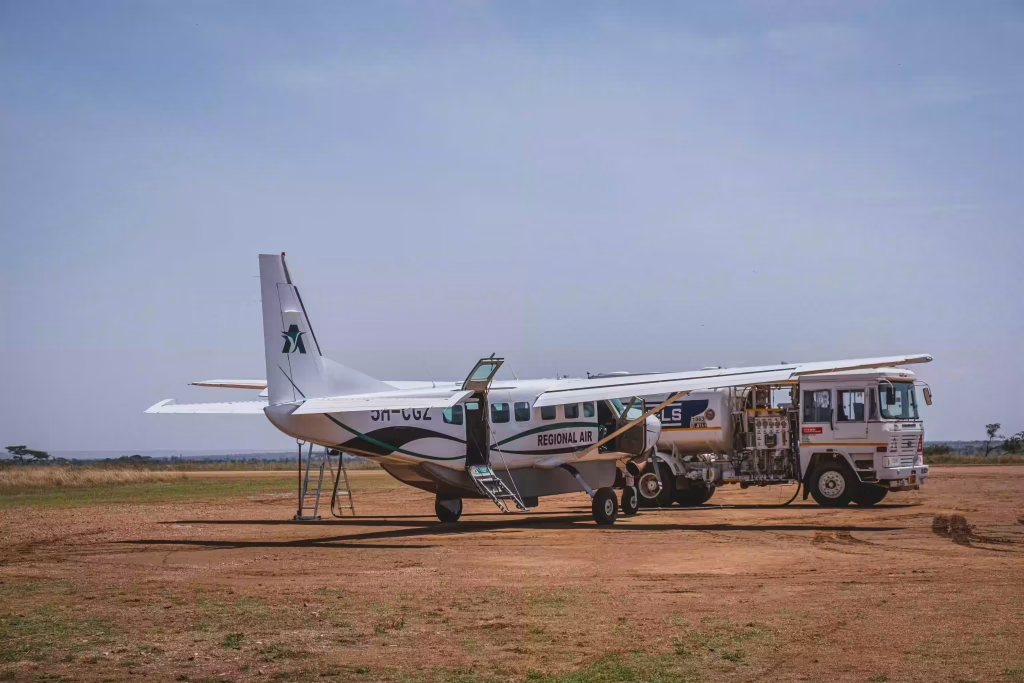
For those short on time or looking to cover large distances, domestic flights are an excellent option. Airlines such as Precision Air and Auric Air offer regular services between major destinations like Dar es Salaam, Kilimanjaro, and Zanzibar. This mode of transport not only saves time but also provides breathtaking aerial views of Tanzania’s diverse landscapes.

  • Convenient for long-distance travel
  • Scenic views of national parks and landscapes
  • Time-efficient

Public Transit Systems

For a more authentic experience, Tanzania’s public transit systems, including dala dala (minivans) and buses, offer an affordable and culturally immersive way to travel. While not always the most comfortable, these options allow travelers to interact with locals and experience the daily life of Tanzanians.

  1. Affordable
  2. Culturally immersive
  3. Opportunities to interact with locals

Car Rentals and Driving Tips

Renting a car provides the freedom to explore Tanzania at your own pace. Many rental companies offer 4×4 vehicles, which are ideal for navigating the country’s rough terrain. When driving in Tanzania, it’s essential to be cautious, especially on rural roads, and to be aware of local driving customs.

  • Flexibility to create your own itinerary
  • Ability to explore remote areas
  • Opportunity to drive through diverse landscapes

By understanding the various transportation options available, we can better plan our journey through Tanzania, ensuring a smooth and enjoyable trip as we explore its many wildlife experiences and national parks.

Popular Destinations in Tanzania

As we journey through Tanzania, we discover a world where nature’s splendor knows no bounds. This incredible country is home to some of Africa’s most iconic and awe-inspiring destinations, each offering a unique and unforgettable experience.

Serengeti National Park

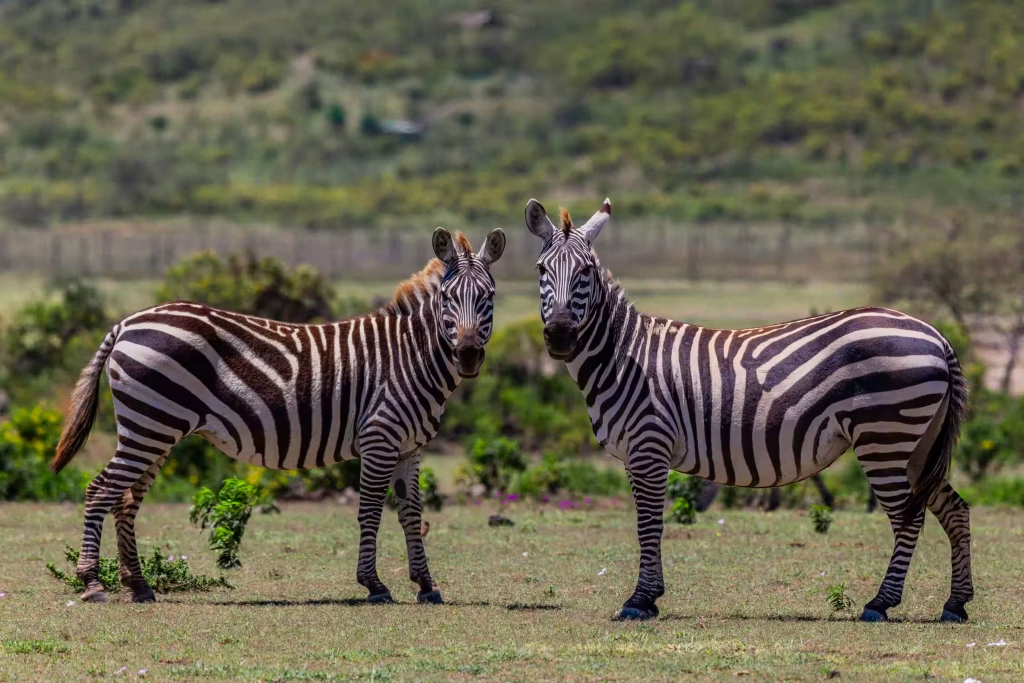
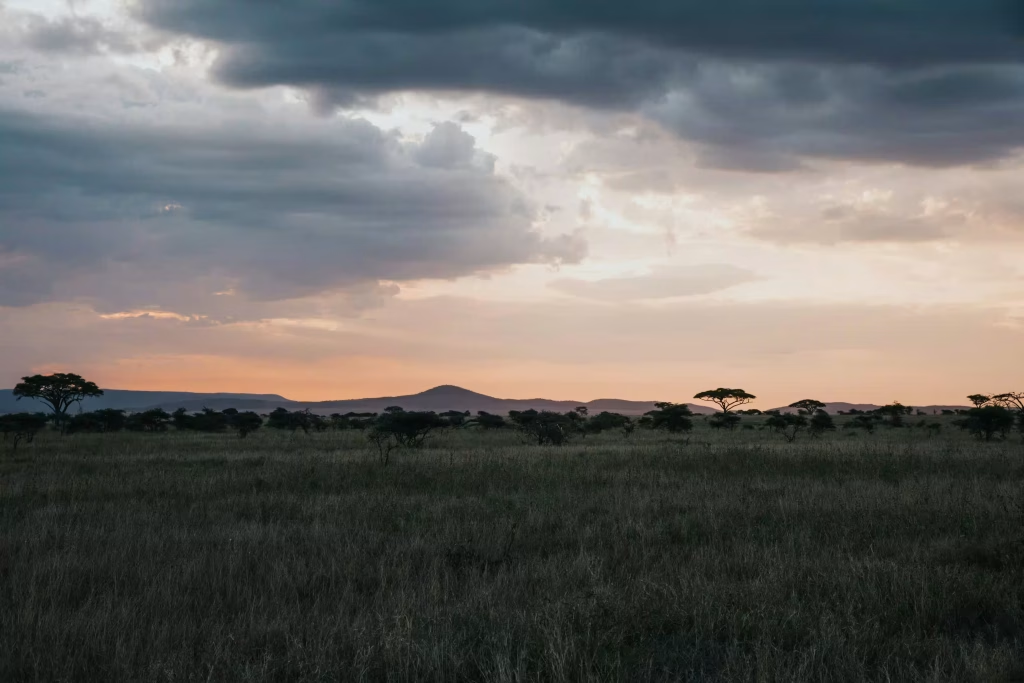
The Serengeti National Park is one of Tanzania’s most famous wildlife reserves, renowned for its vast plains and the Great Migration, where millions of wildebeest, zebras, and gazelles make their way across the landscape in search of greener pastures. This spectacle is considered one of the most impressive tanzania wildlife experiences, drawing visitors from around the globe.

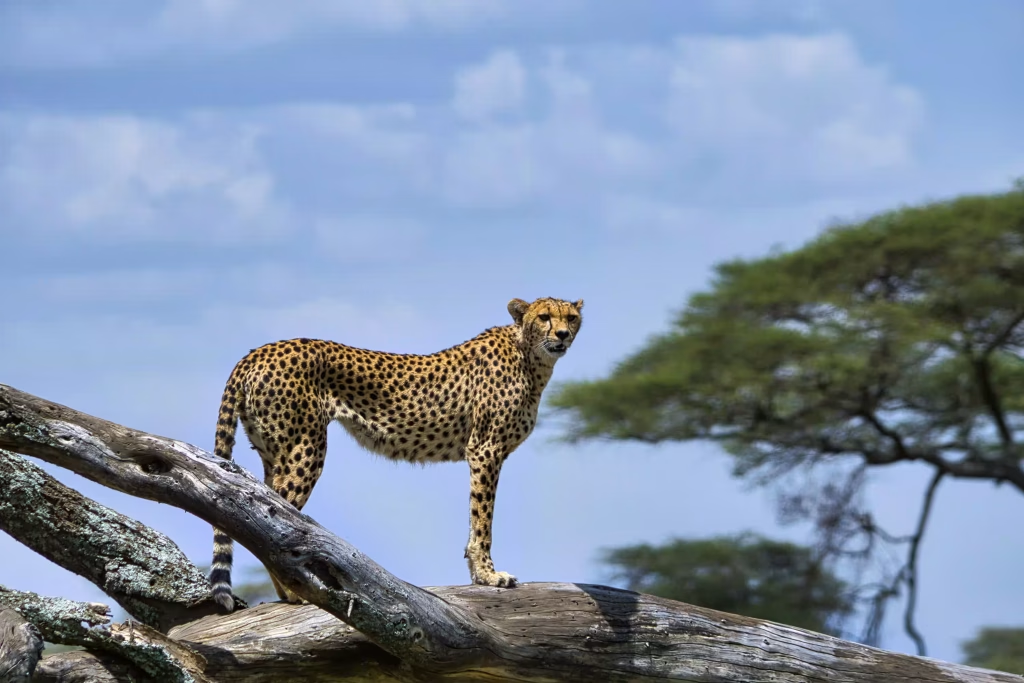
The park is also home to a diverse array of other animals, including lions, leopards, elephants, and giraffes, making it a prime location for african wildlife conservation efforts.

partha-narasimhan-PJBXdSyPmgc-unsplash

Kilimanjaro Mountain

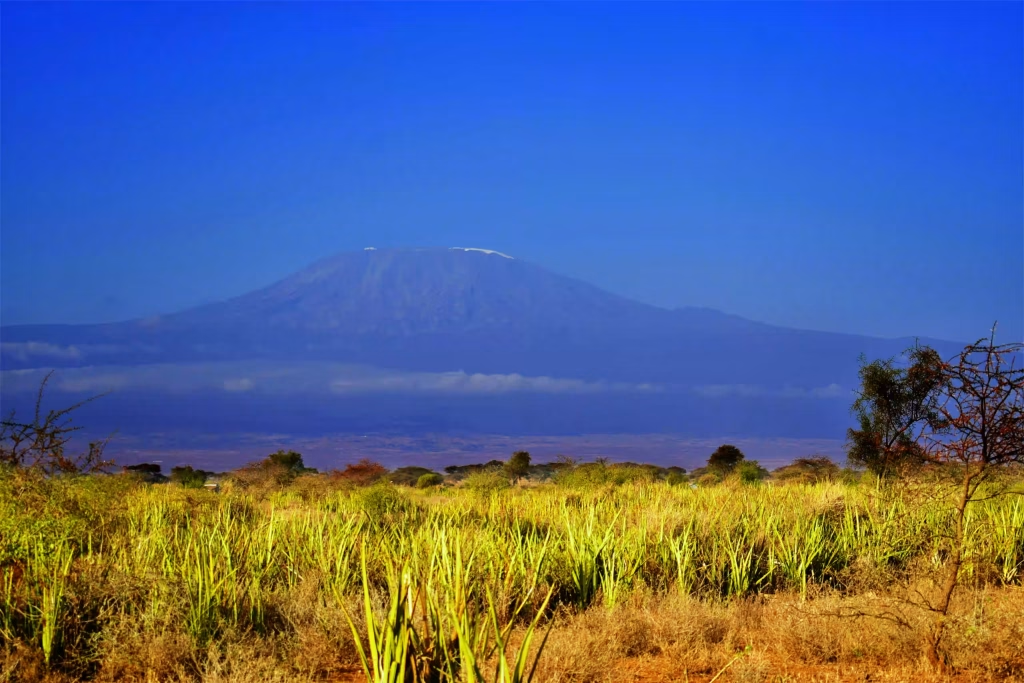
Kilimanjaro, Africa’s highest peak, stands majestically in northern Tanzania, offering a challenging yet rewarding climb for adventure seekers. The mountain is surrounded by a diverse range of habitats, from lush rainforests to alpine deserts, each with its unique flora and fauna.

Climbing Kilimanjaro is a once-in-a-lifetime experience, with several routes to the summit, each offering breathtaking views and a sense of accomplishment.

Zanzibar Island

Zanzibar Island, located off the coast of Tanzania, is a tropical paradise known for its pristine beaches, crystal-clear waters, and rich cultural heritage. The island’s historic Stone Town is a UNESCO World Heritage Site, with its narrow alleys, bustling markets, and ancient architecture.

Visitors to Zanzibar can enjoy a range of activities, from snorkeling and diving in the island’s vibrant coral reefs to exploring the local cuisine and culture.

Ngorongoro Crater

The Ngorongoro Crater is a breathtaking natural wonder, a vast caldera that is home to an incredible array of wildlife, including the Big Five: lions, leopards, elephants, buffalo, and rhinoceros. The crater is considered one of the best safari locations in tanzania, offering a unique and unforgettable safari experience.

DestinationMain AttractionsBest Time to Visit
Serengeti National ParkGreat Migration, wildebeest, zebras, gazellesJune to August
Kilimanjaro MountainMountain climbing, diverse habitatsJanuary to March
Zanzibar IslandBeaches, coral reefs, Stone TownJuly to September
Ngorongoro CraterBig Five, wildlife viewingMay to October

Each of these destinations offers a unique and enriching experience, showcasing the diversity and beauty of Tanzania. Whether you’re drawn to the country’s incredible tanzania wildlife, the adventure of climbing Kilimanjaro, or the tranquility of Zanzibar’s beaches, Tanzania has something for every kind of traveler.

Accommodation Options in Tanzania

Whether you’re looking to indulge in luxury or keep costs low, Tanzania’s accommodation landscape has something for everyone. As you plan your Tanzanian adventure, you’ll discover a diverse range of places to stay, each offering a unique experience that complements the country’s incredible landscapes and wildlife.

Game-driver

Luxury Hotels and Resorts

For those seeking the ultimate in comfort and luxury, Tanzania’s top-tier hotels and resorts offer unparalleled service and amenities. Many of these establishments are located in prime areas, such as near Serengeti National Park or on the beautiful beaches of Zanzibar, providing easy access to incredible Tanzania wildlife encounters.

  • Luxury lodges with private pools and stunning views
  • High-end amenities, including spas and fine dining
  • Personalized service to make your stay unforgettable

Mid-Range Lodging

Travelers looking for a balance between comfort and affordability will find mid-range lodging options to be ideal. These accommodations often offer comfortable rooms and essential amenities at a reasonable price, making them perfect for those who want to explore Tanzania’s diverse wildlife ecosystem without breaking the bank.

  1. Safaris lodges with guided tours
  2. Comfortable hotels in urban centers
  3. Guesthouses with local charm

Budget-Friendly Hostels

For the budget-conscious traveler, Tanzania has a variety of affordable hostels that offer a great way to experience the local culture and community. These hostels often provide dormitory-style accommodation and shared facilities, making them an excellent choice for backpackers and solo travelers.

  • Opportunities to meet fellow travelers
  • Basic amenities at an affordable price
  • Locations often close to public transportation

In conclusion, Tanzania’s diverse accommodation options ensure that every traveler can find a place to stay that suits their needs and budget, allowing them to fully immerse themselves in the country’s Tanzania national parks and incredible wildlife encounters.

Cultural Experiences in Tanzania

The heartbeat of Tanzania is found in its people, their customs, and their warm hospitality. As we explore this incredible country, we’re immersed in a world where tradition and modernity blend seamlessly.

Local Traditions and Customs

Tanzania is home to over 120 ethnic groups, each with its unique customs and traditions. We have the opportunity to witness the vibrant Maasai jumping dance, a spectacle that is both entertaining and a significant cultural expression. The Unyago ceremony, practiced by the Makonde people, is another fascinating tradition where young men are initiated into manhood through rituals and dances.

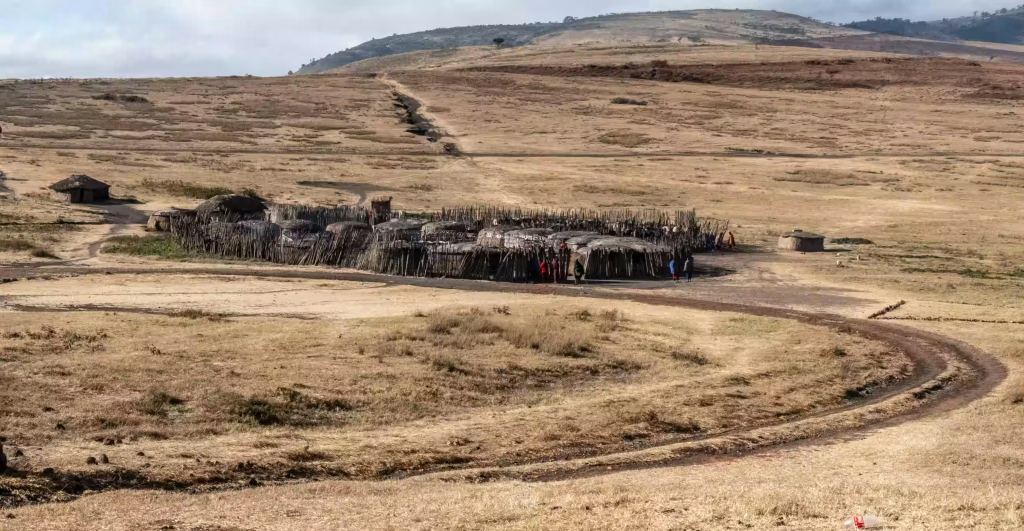
Visiting local villages provides a deeper understanding of Tanzanian life. We engage with the community, learn about their daily routines, and participate in traditional activities. This interaction not only enriches our travel experience but also supports the local economy.

Cultural PracticeEthnic GroupSignificance
Maasai Jumping DanceMaasaiCultural Expression and Entertainment
Unyago CeremonyMakondeInitiation into Manhood
Traditional WeavingVariousPreservation of Heritage and Craftsmanship

Food and Cuisine Highlights

Tanzanian cuisine is a flavorful reflection of its cultural diversity. We savor dishes like Ugali, a staple made from maize flour, often served with vegetables, meat, or beans. Nyama Choma, meaning “roasted meat,” is a popular social activity where friends and family gather to enjoy grilled meat.

Zanzibar, with its historical ties to the Arabian Peninsula, offers a unique culinary experience. We indulge in Zanzibari biryani and fresh seafood, showcasing the island’s rich cultural heritage.

pexels-keeganjchecks-29889222

As we explore Tanzania’s cultural landscape, we’re not just observers; we’re participants in a rich tapestry of traditions and customs. This immersive experience leaves a lasting impression, enriching our understanding of this beautiful country.

Wildlife Safaris in Tanzania

Tanzania’s wildlife safaris offer a journey into the very essence of nature, where the rhythms of the wild resonate deeply. As guardians of this incredible ecosystem, we are committed to supporting initiatives that protect and preserve the natural beauty of Tanzania.

Diverse Safari Experiences

Tanzania is renowned for its diverse safari experiences, catering to all kinds of adventurers. From guided walking safaris that bring you up close with nature to thrilling game drives across the savannah, there’s something for everyone.

  • Guided Walking Safaris: Explore the wilderness on foot with expert guides, learning about the flora, fauna, and ecosystems.
  • Game Drives: Venture into the savannah in 4×4 vehicles, spotting the Big Five and other wildlife in their natural habitats.
  • Fly-in Safaris: Reach remote areas by light aircraft, offering a bird’s-eye view of Tanzania’s breathtaking landscapes.
stephan-bechert-RnbPQJE8VC8-unsplash

Prime Wildlife Viewing Locations

Tanzania is home to some of Africa’s most iconic national parks and conservation areas. The Serengeti National Park and Ngorongoro Crater are must-visit destinations for any wildlife enthusiast.

LocationNotable WildlifeBest Time to Visit
Serengeti National ParkLions, Leopards, ElephantsJune to October
Ngorongoro CraterBlack Rhinos, Hippos, FlamingosYear-round
Tarangire National ParkBaobab Trees, Elephants, PythonsJune to October

Conservation and Responsible Tourism

As we explore Tanzania’s diverse wildlife ecosystem, it’s crucial to support conservation efforts and practice responsible tourism. This includes choosing eco-friendly tour operators, respecting wildlife habitats, and contributing to local communities.

By embracing sustainable tourism practices, we can ensure that Tanzania’s wildlife and natural habitats continue to thrive for generations to come.

Activities and Adventures

In the realm of Tanzania, adventure knows no bounds, from the thrill of hiking Kilimanjaro to the serenity of Zanzibar’s shores. As we explore this magnificent land, we uncover a tapestry of experiences that cater to every kind of traveler.

Hiking Kilimanjaro

Hiking Kilimanjaro is a journey to the rooftop of Africa, where the air is crisp, and the views are breathtaking. The climb is challenging, but the sense of accomplishment is unparalleled. As we ascend through diverse ecosystems, from lush rainforests to alpine deserts, the anticipation builds, culminating in a sunrise at the summit that is truly unforgettable.

The climb to Kilimanjaro’s peak is not just a hike; it’s an odyssey that tests one’s resolve and rewards with panoramic vistas of the Tanzanian landscape. With various routes to choose from, each offering a unique experience, hikers can select the path that best suits their adventure style.

Diving and Snorkeling in Zanzibar

Zanzibar’s crystal-clear waters invite us to dive into an underwater world teeming with life. The coral reefs are vibrant and healthy, providing a habitat for a diverse array of marine species. Snorkeling or diving in these waters offers a glimpse into a world where the sea meets the sky, and the beauty is mesmerizing.

As we explore the underwater landscapes, we are treated to encounters with dolphins and sea turtles, making the experience even more enchanting. Zanzibar’s diving and snorkeling sites are a testament to the island’s unspoiled beauty and its commitment to marine conservation.

Cultural Tours and Community Visits

Beyond the natural beauty, Tanzania is home to rich cultural heritage. Engaging in cultural tours and community visits allows us to connect with the local way of life. We visit villages where traditional practices are still alive, and we are welcomed with open arms.

These visits are not just about observing; they’re about participating in local traditions, learning about the history, and understanding the values that bind the communities together. It’s a meaningful way to experience Tanzania’s soul, beyond its landscapes.

stephan-bechert-RnbPQJE8VC8-unsplash

Whether it’s the thrill of adventure or the warmth of cultural connection, Tanzania offers a wealth of experiences that leave a lasting impression. As we weave our way through the activities and adventures, we craft a journey that is as much about discovery as it is about connection.

Health and Safety Tips for Travelers

As we guide you through the wonders of Tanzania, we also want to ensure you’re prepared for a safe and healthy journey. Our commitment is to not only share the beauty of this incredible destination but to also safeguard your well-being as you explore its diverse landscapes and rich cultural heritage.

Traveling to Tanzania requires some preparation, including taking care of your health and safety. As hosts and guardians of this incredible destination, we are committed to ensuring that your visit is both enjoyable and safe. This includes being aware of the necessary health precautions and safety guidelines.

Recommended Vaccinations

Before traveling to Tanzania, it’s essential to consult with your healthcare provider about the recommended vaccinations. Typically, travelers are advised to be up-to-date on routine vaccinations, and additional vaccinations may be recommended based on your travel plans and health status.

  • Yellow Fever Vaccination: Depending on your travel itinerary, you may be required to show proof of yellow fever vaccination upon entry into Tanzania.
  • Malaria Prophylaxis: Tanzania is a malaria-endemic country. Your healthcare provider may prescribe malaria prophylaxis medication to help prevent the disease.
  • Routine Vaccinations: Ensure you’re current on all routine vaccinations, including MMR, diphtheria-tetanus-pertussis, varicella, and polio.
VaccinationDescriptionRecommendation
Yellow FeverRequired for travel to certain areasMandatory for some regions
Malaria ProphylaxisMedication to prevent malariaRecommended for all travelers
Routine VaccinationsStandard vaccinationsUp-to-date status advised

Safety Precautions and Local Guidelines

Tanzania is generally a safe country for tourists, but as with any travel destination, it’s wise to take certain precautions. Be aware of your surroundings, especially in crowded areas and tourist hotspots. We also recommend respecting local customs and traditions to ensure a harmonious and enriching experience.

“The beauty of Tanzania lies not just in its landscapes, but in the warmth of its people. As you travel, remember to respect local cultures and environments, for it’s in these moments of connection that true travel magic happens.”

— Local Wisdom

When engaging in tanzania wildlife photography, remember to maintain a safe distance from the animals and follow the guidance of your safari guides. This not only ensures your safety but also contributes to african wildlife conservation efforts.

pexels-jess-vide-7502450

As you explore Tanzania’s diverse landscapes, from the Serengeti to the beaches of Zanzibar, you’re not just experiencing the beauty of the country; you’re also contributing to the local economy and exploring tanzania’s diverse wildlife ecosystem. We encourage you to embrace this opportunity with respect and curiosity. By being informed and prepared, you can have a safe, enjoyable, and enriching experience in Tanzania. We’re here to guide you every step of the way, ensuring that your journey is not just memorable, but also safe and responsible.

Currency and Banking

As we explore the financial landscape of Tanzania, understanding the local currency and banking systems becomes essential for a seamless travel experience. Whether we’re trekking through the Serengeti National Park or relaxing on the beaches of Zanzibar, being prepared financially allows us to focus on the adventure at hand. The official currency of Tanzania is the Tanzanian Shilling (TZS). While it’s possible to exchange currency upon arrival at major airports, we recommend having some local currency for when we first arrive, as not all places may accept foreign currency or credit cards.

Currency Exchange Tips

Exchanging our money for Tanzanian Shillings can be done at various bureaux de change, banks, and some hotels. It’s advisable to compare exchange rates to get the best deal. Using reputable exchange services can help avoid scams and ensure we receive a fair rate.

  • Use official currency exchange offices or banks.
  • Avoid exchanging money on the street.
  • Keep our receipts, as we might need them to prove our exchange transaction.

Access to ATMs and Credit Cards

Major towns and tourist areas have ATMs where we can withdraw Tanzanian Shillings using our debit or credit cards. Notifying our bank of our travel plans can prevent our cards from being flagged for suspicious activity. While many places accept credit cards, cash is often preferred or required for smaller purchases and at local markets.

When using ATMs, we should be mindful of our surroundings and ensure the machine is secure. It’s also wise to have a backup card and some cash in case of emergencies. For those planning to visit best safari locations in tanzania, having a combination of cash and cards will provide flexibility.

For the most top tanzania wildlife experiences, we might need to pay in cash or through specific tour operators who may not accept credit cards. Being prepared financially enhances our ability to enjoy these experiences without any hiccups.

Sustainable Tourism Practices

In the heart of Tanzania, we find a world where wildlife and human culture intertwine, demanding our respect and care. As we explore this incredible destination, it’s essential to adopt sustainable tourism practices that not only preserve the natural beauty but also support the local communities.

Importance of Eco-Tourism

Eco-tourism plays a vital role in african wildlife conservation. By choosing eco-friendly tour operators, we contribute to the protection of Tanzania’s diverse wildlife ecosystem. This approach ensures that our travels have a positive impact on the environment and help in maintaining the delicate balance of nature. For instance, visiting Tanzania with responsible tour operators can make a significant difference in conservation efforts.

Supporting Local Communities

Supporting local communities is another crucial aspect of sustainable tourism. When we engage with local cultures and purchase goods from local artisans, we directly contribute to the economic well-being of the communities. This not only enhances our travel experience but also fosters a sense of connection and respect between cultures. By doing so, we help in preserving the cultural heritage of Tanzania and promoting a more equitable distribution of tourism benefits.

As we continue our journey through Tanzania, let’s remember that our actions have the power to shape the future of this magnificent land. By embracing sustainable tourism practices, we can ensure that Tanzania remains a haven for wildlife and a vibrant cultural mosaic for generations to come.

Packing Essentials for Tanzania

As we prepare for your Tanzanian adventure, it’s essential to pack wisely. The diverse landscapes and climates of Tanzania demand a thoughtful approach to what you bring along.

Clothing and Gear Recommendations

When it comes to clothing, Tanzania’s climate varies significantly from the cool mountains to the hot savannas. Lightweight, breathable clothing is a must for the warm regions, while warmer layers are necessary for the cooler highlands, especially in the evenings.

  • Comfortable safari clothing (neutral colors to avoid startling wildlife)
  • Sturdy hiking boots for exploring
  • Swimwear for Zanzibar’s beaches
  • Warm layers for early morning safaris or mountain treks

For gear, consider the activities you plan to undertake. For Tanzania wildlife photography, a good camera with a telephoto lens is indispensable. If you’re planning to hike Kilimanjaro or explore the Serengeti, appropriate gear like trekking poles or a portable charger for your devices can be very useful.

Health and Safety Supplies

Health and safety should be a top priority. Pack a travel health kit that includes essentials like:

ItemPurpose
Malaria prophylaxisPrevention against malaria
Insect repellentProtection against insect-borne diseases
First-aid kitBasic medical supplies

As the great conservationist,

“The best way to get to know a place is to immerse yourself in its natural beauty and respect its wildlife.”

This quote resonates deeply with our approach toincredible Tanzania wildlife encounters, ensuring that our adventures are both enriching and responsible.

For the best safari locations in Tanzania, such as the Ngorongoro Crater and Serengeti National Park, it’s crucial to be prepared with the right gear and knowledge to fully appreciate these incredible ecosystems.

Conclusion: Crafting Your Tanzania Adventure

As we weave together the threads of our Tanzanian journey, the vast expanse of the Serengeti, the majestic slopes of Kilimanjaro, and the crystal waters of Zanzibar come alive. With top Tanzania wildlife experiences awaiting you, from the great migration to intimate encounters with Tanzania’s diverse wildlife ecosystem, the time has come to personalize your itinerary.

Tailoring Your Journey

Whether you’re drawn to the thrill of exploring Tanzania national parks, or the serenity of a Zanzibar beach, your adventure begins with a vision. We help you craft a journey that resonates with your spirit, blending the essence of Tanzania’s wild heart with the comforts of modern travel.

Preparing for Lifelong Memories

As you prepare for your Tanzanian odyssey, remember that the true essence of travel lies not just in destinations, but in the experiences that shape us. With careful planning, an open heart, and a deep respect for the land and its people, your journey through Tanzania will become a lifelong memory, rich with the sights, sounds, and emotions that define a truly transformative adventure.

FAQ

What are the best safari locations in Tanzania?

Tanzania is home to some of the most iconic safari locations in Africa, including the Serengeti National Park, Ngorongoro Crater, and Tarangire National Park, offering incredible wildlife viewing opportunities.

What is the best time to visit Tanzania for wildlife viewing?

The best time to visit Tanzania for wildlife viewing depends on the season, with the dry season (June to October) being ideal for spotting wildlife in the national parks, and the wildebeest migration typically occurring between July and August.

What vaccinations are required for travel to Tanzania?

Travelers to Tanzania are typically required to have vaccinations against yellow fever, hepatitis A, and typhoid, with other vaccinations recommended depending on the individual’s health status and travel plans.

How can I support conservation efforts in Tanzania’s national parks?

Visitors can support conservation efforts in Tanzania’s national parks by choosing responsible tour operators, respecting local regulations and guidelines, and contributing to conservation initiatives through donations or volunteer programs.

What are the most popular activities and adventures available in Tanzania?

Tanzania offers a range of activities and adventures, including hiking Kilimanjaro, diving and snorkeling in Zanzibar, and going on wildlife safaris, as well as cultural tours and community visits to experience the local culture.

What is the importance of eco-tourism in Tanzania?

Eco-tourism plays a crucial role in supporting conservation efforts and promoting sustainable tourism practices in Tanzania, with benefits for local communities and the protection of the country’s natural beauty and cultural heritage.

How can I ensure a safe and healthy trip to Tanzania?

To ensure a safe and healthy trip to Tanzania, visitors should take recommended vaccinations, follow local guidelines and regulations, and take necessary precautions against illnesses and injuries, while also being mindful of their surroundings and local customs.

What are the best ways to get around Tanzania?

Visitors can get around Tanzania using domestic flights, public transit systems, and car rentals, with the choice of transportation depending on the itinerary, budget, and personal preferences.

What are the must-visit destinations in Tanzania?

Some of the must-visit destinations in Tanzania include the Serengeti National Park, Kilimanjaro Mountain, Zanzibar Island, and Ngorongoro Crater, each offering unique attractions and experiences that showcase the country’s natural beauty and cultural heritage.

How can I experience the local culture in Tanzania?

Visitors can experience the local culture in Tanzania by participating in cultural tours and community visits, trying local cuisine, and attending traditional festivals and events, while also being respectful of local customs and traditions.
Loading itinerary…
Saved Trips