wondernest travel

pexels-andromeda99-20012466

Unveiling the Wonders of Moshi, Tanzania: JRO Airport and More

Key Takeaways

  • Discover the natural beauty of Moshi, Tanzania
  • Experience the magic of Africa at JRO Airport
  • Explore hidden gems and breathtaking landscapes
  • Join us on a journey to unveil the wonders of this captivating destination
  • Immerse yourself in the local culture and community

Introduction to Moshi, Tanzania

With its rich cultural tapestry and stunning natural surroundings, Moshi, Tanzania, is a treasure trove waiting to be explored. As we delve into the heart of this enchanting town, we discover a place where tradition meets adventure, and the warmth of the local community makes every visitor feel at home.

pexels-wictor-sparrow-2158142269-35182299

Overview of Moshi’s Cultural Heritage

Moshi is a cultural melting pot, primarily influenced by the Chaga people, who have a rich history and distinct cultural practices. The town is known for its vibrant markets, where local handicrafts and traditional clothing are on display. Visitors can experience the local culture firsthand by participating in a traditional Chaga ceremony or by exploring the local cuisine, which includes dishes made from fresh produce grown in the fertile soils surrounding the town.

  • Experience traditional Chaga dances and music
  • Visit local markets for handicrafts and souvenirs
  • Participate in a local cooking class to learn about Chaga cuisine

Climate and Best Time to Visit

Moshi enjoys a tropical climate, with temperatures varying depending on the altitude. The best time to visit Moshi is during the dry seasons, from June to October and from December to March, when the weather is ideal for outdoor activities such as hiking and sightseeing. The rainy seasons, while making the landscape particularly lush, can make some roads impassable.

Unique Attractions in and around Moshi

Moshi is surrounded by natural beauty, with numerous attractions that cater to a variety of interests. Some of the unique attractions include:

  1. The majestic Mount Kilimanjaro, Africa’s highest peak, which offers hiking and climbing opportunities for adventure seekers.
  2. The Materuni Waterfall, a picturesque spot for a day trip, where visitors can hike and enjoy the local flora and fauna.
  3. The Marangu Crater, a volcanic crater with a rich history and stunning views.

These attractions, combined with the town’s cultural richness, make Moshi, Tanzania, a compelling destination for travelers looking to experience the best of East Africa.

Arriving at JRO Airport

Arriving at Kilimanjaro International Airport is more than just a touchdown; it’s the beginning of an unforgettable journey to Moshi. As we step off the plane, the warm Tanzanian air greets us, filled with the promise of adventure and discovery.

Overview of Kilimanjaro International Airport

Kilimanjaro International Airport (JRO) is a modern facility that serves as the primary gateway to northern Tanzania. Located near the town of Hai, it’s strategically positioned to facilitate travel to Moshi, Arusha, and the surrounding national parks. The airport is equipped with essential amenities, including currency exchange, duty-free shopping, and a range of dining options.

Overview of Moshi’s Cultural Heritage

Moshi is a cultural melting pot, primarily influenced by the Chaga people, who have a rich history and distinct cultural practices. The town is known for its vibrant markets, where local handicrafts and traditional clothing are on display. Visitors can experience the local culture firsthand by participating in a traditional Chaga ceremony or by exploring the local cuisine, which includes dishes made from fresh produce grown in the fertile soils surrounding the town.

  • Experience traditional Chaga dances and music
  • Visit local markets for handicrafts and souvenirs
  • Participate in a local cooking class to learn about Chaga cuisine

Climate and Best Time to Visit

Moshi enjoys a tropical climate, with temperatures varying depending on the altitude. The best time to visit Moshi is during the dry seasons, from June to October and from December to March, when the weather is ideal for outdoor activities such as hiking and sightseeing. The rainy seasons, while making the landscape particularly lush, can make some roads impassable.

Unique Attractions in and around Moshi

Moshi is surrounded by natural beauty, with numerous attractions that cater to a variety of interests. Some of the unique attractions include:

  1. The majestic Mount Kilimanjaro, Africa’s highest peak, which offers hiking and climbing opportunities for adventure seekers.
  2. The Materuni Waterfall, a picturesque spot for a day trip, where visitors can hike and enjoy the local flora and fauna.
  3. The Marangu Crater, a volcanic crater with a rich history and stunning views.

These attractions, combined with the town’s cultural richness, make Moshi, Tanzania, a compelling destination for travelers looking to experience the best of East Africa.

Arriving at JRO Airport

Arriving at Kilimanjaro International Airport is more than just a touchdown; it’s the beginning of an unforgettable journey to Moshi. As we step off the plane, the warm Tanzanian air greets us, filled with the promise of adventure and discovery.

Overview of Kilimanjaro International Airport

Kilimanjaro International Airport (JRO) is a modern facility that serves as the primary gateway to northern Tanzania. Located near the town of Hai, it’s strategically positioned to facilitate travel to Moshi, Arusha, and the surrounding national parks. The airport is equipped with essential amenities, including currency exchange, duty-free shopping, and a range of dining options.

black-woman-with-suitcase-airport

Transportation Options from JRO Airport

Getting to Moshi from JRO Airport is relatively straightforward, with several transportation options available to suit different needs and budgets. Here are some of the most popular choices:

  • Taxis: Taxis are readily available outside the airport terminal. This is a convenient option, especially for those traveling in groups or with a lot of luggage.
  • Private Transfers: Many hotels and tour operators offer private transfer services, providing a comfortable and hassle-free journey to Moshi.
  • Shuttle Services: Shared shuttle services are an economical option for solo travelers or couples. These services operate on a fixed schedule and can be booked in advance.
  • Car Rentals: For those who prefer to drive themselves, several car rental companies have desks at the airport. This option provides the flexibility to explore the region at your own pace.
Transportation OptionCostDuration to Moshi
Taxi$40-$6045 minutes
Private Transfer$50-$7045 minutes
Shuttle Service$10-$201 hour
Car Rental$60-$100 per day45 minutes

Tips for First-Time Arrivals

For those arriving in Tanzania for the first time, a few tips can make the transition smoother. Ensure you have all necessary documents, including your visa and travel insurance. It’s also wise to exchange some currency for local Tanzanian shillings, although many places accept USD. Lastly, be prepared for variable weather conditions and stay hydrated during your journey.

As we make our way from JRO Airport to Moshi, the anticipation builds, and the beauty of Tanzania unfolds before us. With the right preparation and knowledge, this journey becomes a memorable part of our adventure.

Exploring Moshi’s Local Cuisine

The flavors of Moshi are a reflection of its rich cultural heritage, inviting travelers to embark on a gastronomic journey. As we delve into the local cuisine, we discover a world where traditional Tanzanian dishes meet the renowned coffee culture, creating a culinary experience that is both authentic and unforgettable.

Must-Try Dishes and Where to Find Them

Moshi’s culinary scene is a melting pot of flavors, with dishes that are both nourishing and delectable. Some of the must-try local dishes include:

  • Ugali: A staple made from maize meal, often served with vegetables or meat.
  • Nyama Choma: Roasted meat, typically goat or beef, served with a side of vegetables.
  • Matooke: Steamed or boiled green bananas, often served with beans or meat.

These dishes can be found at local eateries and street food stalls throughout Moshi. For an authentic experience, we recommend visiting the Marangu Market or trying some of the local restaurants near the town center.

close-up-delicious-african-street-food

Coffee Culture in Moshi

Coffee is an integral part of Moshi’s culture, with the region being renowned for its high-quality Arabica coffee. Visitors can explore coffee plantations, such as those in the Marangu area, to learn about the coffee-making process from bean to cup. Many local cafes also serve freshly brewed coffee, offering a taste of the region’s rich coffee heritage.

For travel tips for Moshi Tanzania, consider visiting during the coffee harvest season to experience the full spectrum of coffee culture.

Dining Etiquette in Tanzania

When dining in Moshi, it’s essential to respect local customs. In Tanzania, meals are often eaten with the right hand, and it’s considered polite to finish a meal completely. When dining at local restaurants or with Tanzanian hosts, we recommend being open to trying new foods and following local dining practices.

For those planning to stay in Moshi, choosing the right accommodation in Moshi can enhance the dining experience, with many hotels and lodges offering local cuisine.

Adventure Activities in Moshi

In Moshi, the spirit of adventure comes alive amidst breathtaking landscapes. As the foothold of Mount Kilimanjaro, this charming town in northern Tanzania is a haven for thrill-seekers and nature lovers alike. Whether you’re drawn to the majesty of Africa’s highest peak, the wildlife of nearby national parks, or the serene beauty of cascading waterfalls, Moshi offers a diverse array of adventures that cater to all tastes and preferences.

Hiking Mount Kilimanjaro

Hiking Mount Kilimanjaro is undoubtedly one of the most iconic adventures that Moshi has to offer. As the highest peak in Africa and the highest single free-standing mountain in the world, Kilimanjaro is a challenge that attracts climbers from all corners of the globe. The journey to the summit is a multi-day trek that takes you through a variety of climatic zones, from lush rainforests to alpine deserts, each teeming with unique flora and fauna. Climbers are treated to breathtaking sunrises and panoramic views from the top, making the grueling ascent well worth the effort.

Preparation is key to a successful Kilimanjaro expedition. Climbers should acclimatize to the high altitude, train physically, and pack appropriately for the varying weather conditions. Local guides and tour operators in Moshi provide invaluable expertise and support, ensuring a safe and enjoyable experience for adventurers of all levels.

Safari Tours in Nearby National Parks

For those who prefer to explore the wildlife-rich landscapes surrounding Moshi, safari tours in nearby national parks are an exhilarating option. Parks such as Kilimanjaro National Park, Arusha National Park, and Lake Manyara National Park are home to a diverse array of wildlife, including elephants, lions, giraffes, and a multitude of bird species. Safari tours offer a chance to witness these animals in their natural habitats, providing an unforgettable experience that connects travelers with the wild heart of Tanzania.

Guided safaris, led by experienced rangers and naturalists, not only ensure a safe and informative tour but also contribute to conservation efforts and local communities. Visitors can choose from a variety of safari styles, ranging from traditional game drives to walking safaris and even hot air balloon safaris for a bird’s-eye view of the landscape.

Waterfalls and Nature Trails Near Moshi

Beyond the thrill of mountain climbing and wildlife safaris, Moshi is also a haven for those seeking tranquility and a deeper connection with nature. The area is dotted with picturesque waterfalls and nature trails that offer a serene escape from the hustle and bustle of daily life. One such gem is the Marangu Waterfalls, a series of cascading falls surrounded by lush vegetation, perfect for a leisurely hike or a picnic.

Nature trails in and around Moshi provide opportunities for birdwatching, photography, and simply soaking in the natural beauty of the region. These trails range from easy strolls to more challenging hikes, catering to a wide range of fitness levels and interests. Exploring these natural wonders not only rejuvenates the spirit but also fosters a deeper appreciation for the rich biodiversity of Tanzania.

pexels-axxelhdez-13421256

Cultural Experiences in Moshi

The cultural landscape of Moshi is a vibrant mosaic, woven from the threads of local customs, festivals, and interactions with the Chaga people. As we explore this enchanting town, we are greeted by the warm smiles of the locals and the rich aromas of traditional cuisine.

Local Markets and Shopping Tips

Visiting local markets is a must when in Moshi. These bustling hubs offer a treasure trove of local handicrafts, fresh produce, and unique souvenirs. To make the most of your market visit, consider arriving early to avoid the crowds and beat the heat. Bargaining is a part of the market culture, so be prepared to negotiate prices with a smile. Look out for beautifully crafted local handicrafts such as wood carvings and woven baskets, which make for wonderful souvenirs.

pexels-kamaji-ogino-5094488

Traditional Festivals and Events

Moshi is known for its vibrant cultural festivals, which offer a glimpse into the town’s rich heritage. The Marangu Festival is one such event, celebrating the Chaga culture with music, dance, and traditional foods. Participating in these festivals provides a unique opportunity to experience the local culture firsthand and create lasting memories. For the most up-to-date information on upcoming events, we recommend checking local listings or visiting the Tanzania travel guide for more details.

Interactions with the Chaga People

The Chaga people are the indigenous inhabitants of the Mount Kilimanjaro region, known for their warm hospitality and rich cultural traditions. Interacting with the Chaga community offers a chance to learn about their customs, agricultural practices, and daily life. Visitors can participate in community-based tourism initiatives, which support local economies and provide a meaningful cultural exchange. Engaging with the Chaga people is a highlight of any visit to Moshi, offering insights into a way of life that has remained largely unchanged for centuries.

Ecotourism in Moshi

In the heart of Tanzania, Moshi emerges as a beacon for ecotourism, where the rhythms of nature guide our travels. As we explore this enchanting region, we find that ecotourism is not just about witnessing breathtaking landscapes; it’s about fostering a deep connection with the environment and the local communities.

Promoting Sustainable Travel Practices

We believe that sustainable travel is the cornerstone of ecotourism. By choosing eco-friendly accommodations, respecting local wildlife, and supporting community projects, we can significantly reduce our environmental footprint. In Moshi, numerous tour operators offer safari tours from Moshi that adhere to sustainable practices, ensuring that our adventures contribute to the preservation of Tanzania’s natural beauty.

For instance, many lodges and tour operators in Moshi have adopted renewable energy sources and waste reduction programs. By supporting these initiatives, we not only enhance our travel experience but also contribute to the conservation of the region’s ecosystems.

Wildlife Conservation Efforts

Moshi is a gateway to some of Tanzania’s most spectacular national parks and wildlife reserves. Our participation in safari tours from Moshi supports conservation efforts by promoting the value of wildlife and natural habitats. Local conservation projects focus on protecting endangered species and restoring habitats, ensuring the long-term health of the region’s biodiversity.

Conservation ProjectLocationFocus Area
Kilimanjaro Conservation ProjectMount KilimanjaroHabitat restoration and wildlife protection
Moshi Wildlife ReserveNear Moshi townSpecies conservation and community engagement
Tanzania National ParksVarious national parksAnti-poaching and habitat preservation

Community-Based Tourism Initiatives

Community-based tourism initiatives in Moshi empower local communities by involving them in tourism activities. This approach not only provides economic benefits but also promotes cultural exchange and understanding. By staying in locally-owned accommodations and participating in community-led tours, we directly support the livelihoods of the people in Moshi, Tanzania.

These initiatives also help in preserving the cultural heritage of the region. For example, visitors can engage with the Chaga people, learn about their traditional practices, and support local artisans. This cultural immersion enriches our travel experience and fosters a deeper appreciation for the local way of life.

As we continue to explore Moshi and its surroundings, we are reminded of the importance of responsible tourism. By making conscious choices, we can ensure that our travels benefit both the environment and the communities we visit.

Nightlife and Entertainment in Moshi

As dusk descends, Moshi awakens to a world of nightlife and entertainment. The town’s relaxed atmosphere gives way to a vibrant scene that’s full of life, energy, and rhythm. Whether you’re looking to dance the night away, enjoy live music, or savor local cuisine under the stars, Moshi has something for everyone.

Popular Bars and Nightclubs

Moshi’s nightlife is characterized by its warm hospitality and welcoming vibe. Some popular spots include:

  • Kindoroko Hotel: Known for its lively bar and comfortable atmosphere.
  • Keys Hotel: Offers a great spot for a night out with friends, with a bar and restaurant on site.
  • Marangu Hotel: Features a bar and lounge area perfect for relaxing or enjoying live music.

These venues offer a mix of local and international drinks, with some featuring live music or DJ nights that get the crowd dancing.

Live Music and Cultural Shows

Live music is an integral part of Moshi’s nightlife, with various venues hosting local artists and cultural performances. You can enjoy:

  1. Traditional Tanzanian Music: Experience the rich cultural heritage through traditional dances and music.
  2. Live Bands: Many bars and hotels feature live bands playing a range of genres, from local taarab to international hits.

These events are not just entertaining but also offer a glimpse into the local culture and community.

Evening Markets and Food Stalls

No night in Moshi is complete without exploring its evening markets and savoring the local street food. The markets offer a variety of goods, from handicrafts to fresh produce, while the food stalls serve delicious Tanzanian dishes such as:

  • Matooke: Steamed or boiled green bananas.
  • Nyama Choma: Grilled meat, often served with vegetables and ugali.
  • Mandazi: Fried doughnuts, perfect as a sweet treat.

Eating at these stalls is not just about the food; it’s an experience that brings you closer to the local way of life.

In conclusion, Moshi’s nightlife is a vibrant and integral part of the town’s charm. From its bars and nightclubs to live music and cultural shows, and not forgetting the evening markets and food stalls, there’s always something to enjoy. As you plan your trip, consider accommodation in Moshi that suits your style, and be sure to explore the many things to do in Moshi Tanzania during your stay.

Accommodations in Moshi

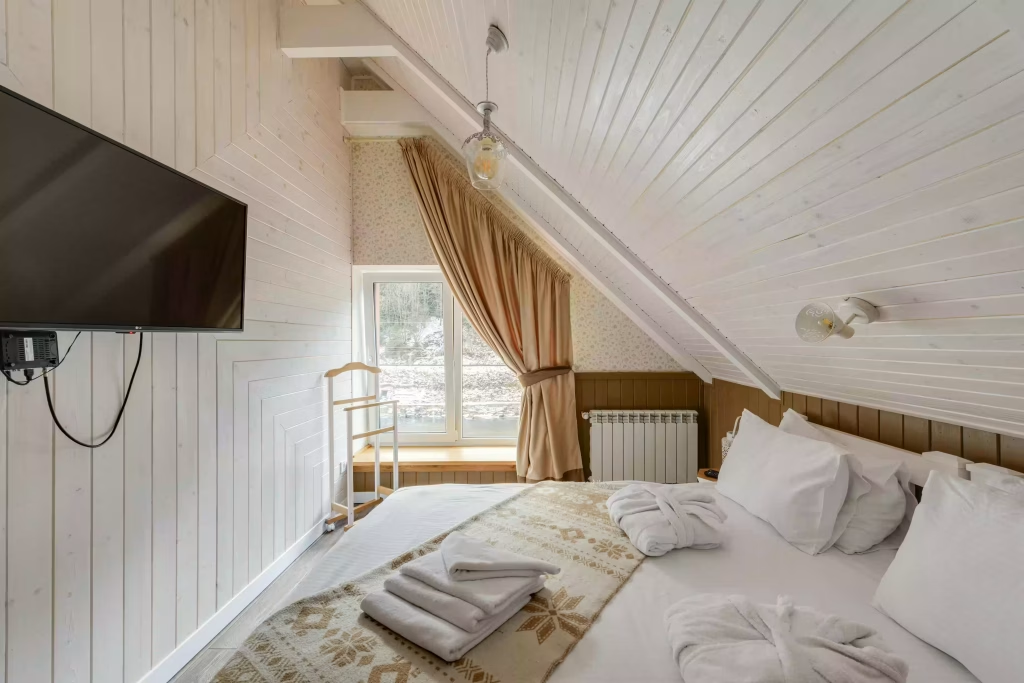
From luxury lodges to budget-friendly guesthouses, Moshi’s accommodation options are as diverse as the town’s vibrant culture and stunning natural beauty. Whether you’re looking to indulge in the lap of luxury or prefer a more laid-back, authentic experience, Moshi has something for everyone.

pexels-heyho-7746575

Best Hotels and Lodges

For those seeking a luxurious stay, Moshi offers several high-end hotels and lodges that promise a comfortable and memorable experience. Some of the top-rated options include:

  • The Kilimanjaro Hotel: Known for its excellent service and stunning views of Mount Kilimanjaro.
  • Moshi Leisure Lodge: Offers a relaxing atmosphere and modern amenities.
  • The Weru Weru River Lodge: A great choice for nature lovers, with its lush surroundings and tranquil ambiance.

These establishments not only provide luxurious accommodations but also often feature fine dining options, spas, and guided tours, enhancing your overall experience in Moshi.

Budget-Friendly Options

Travelers on a budget will find that Moshi has a variety of affordable accommodations that don’t compromise on comfort or experience. Some popular choices include:

  • YHA Moshi: A budget-friendly hostel with dorms and private rooms, ideal for backpackers.
  • Moshi Backpackers: Offers a relaxed atmosphere, communal kitchen, and organized tours.
  • Kindoroko Hotel: Provides clean, comfortable rooms at an affordable price.

These budget-friendly options are great for meeting fellow travelers and experiencing the local culture firsthand.

Unique Stays: Airbnb and Guesthouses

For a more authentic experience, consider staying in an Airbnb or local guesthouse. These options allow you to live like a local and enjoy Moshi’s culture from a different perspective.

Some highlights include:

  • Traditional Chaga homestays: Experience the local culture and hospitality firsthand.
  • Cozy Airbnb apartments: Often located in the heart of Moshi, offering convenience and comfort.
  • Family-run guesthouses: Provide a warm welcome and insights into local life.

Staying in these unique accommodations not only enriches your travel experience but also supports the local community.

Essential Travel Tips for Moshi

In the heart of Tanzania lies Moshi, a destination that promises an unforgettable journey for those who prepare wisely. As we embark on this adventure, it’s crucial to arm ourselves with knowledge that will make our travel experience both enjoyable and responsible.

pexels-blue-ox-studio-218748-2063892

Important Health Precautions

Before traveling to Moshi, it’s essential to consult with a healthcare professional about necessary vaccinations and medications. Malaria prophylaxis is often recommended due to the region’s risk factors. Additionally, taking precautions against altitude sickness is crucial, especially for those planning to hike Mount Kilimanjaro.b Staying hydrated and protecting oneself from the sun are also vital health measures. We recommend drinking bottled or filtered water and using high SPF sunscreen to prevent dehydration and sunburn.

Safety Tips for Travelers

Safety is a paramount concern for travelers. When exploring Moshi, it’s advisable to stay informed about local conditions and follow the guidance of local authorities. Using reputable transportation services and being mindful of personal belongings, especially in crowded areas, can significantly enhance safety. Moreover, respecting local customs and traditions not only enriches our cultural experience but also contributes to a safe and welcoming environment for visitors.

Local Customs and Etiquette

Understanding and respecting local customs is a hallmark of a thoughtful traveler. In Moshi, as in much of Tanzania, greeting locals with a handshake and showing respect for elders are considered polite gestures. Dressing modestly, particularly when visiting local communities or attending cultural events, is also appreciated. By embracing these customs, we not only avoid unintended offense but also foster meaningful connections with the people we meet on our journey.

Day Trips from Moshi

As we venture beyond Moshi, Tanzania, we discover a treasure trove of unforgettable day trip experiences. The region surrounding Moshi is rich in natural beauty and cultural heritage, making it an ideal location for explorers seeking adventure and insight into local traditions.

Visiting Arusha National Park

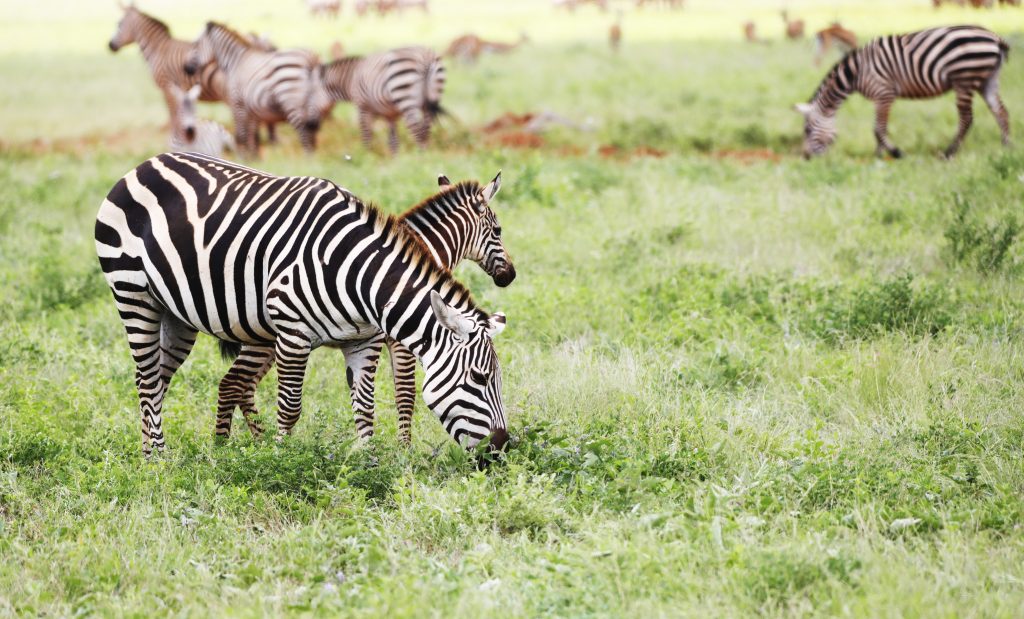
One of the most popular day trips from Moshi is to Arusha National Park, a haven for wildlife enthusiasts. The park is home to a diverse range of flora and fauna, including giraffes, zebras, and the majestic African elephant. Visitors can enjoy game drives through the park’s varied landscapes, from the lush forests of the Ngurdoto Crater to the alkaline lakes and grasslands.

Day Trips to Lake Manyara

Another captivating day trip from Moshi is to Lake Manyara, known for its stunning scenery and abundant birdlife. The lake’s unique ecosystem supports a wide variety of bird species, making it a paradise for birdwatchers. Visitors can also explore the surrounding forests and grasslands, where they may spot tree-climbing lions and other wildlife.

Exploring Tarangire National Park

Tarangire National Park is another must-visit destination for those based in Moshi. The park is renowned for its large elephant population and the annual migration of wildebeests, zebras, and other herbivores. Visitors can enjoy guided safaris through the park’s picturesque landscapes, taking in the sights and sounds of the African savannah.

These day trips from Moshi offer a glimpse into the natural beauty and wildlife of northern Tanzania, providing safari tours from Moshi that are both exhilarating and enriching. Whether you’re interested in exploring national parks, lakes, or forests, there’s something for every kind of traveler looking to experience the best of what Moshi and its surroundings have to offer.

Shopping in Moshi

Shopping in Moshi is an adventure that immerses you in the local culture, where the warmth of the Tanzanian people meets the richness of their heritage. As we explore the markets and shops, we’re not just looking for souvenirs; we’re experiencing the soul of Moshi.

Traditional Crafts and Souvenirs

Moshi is renowned for its traditional crafts, including beautifully woven baskets, intricate wood carvings, and vibrant textiles. These items are not only stunning souvenirs but also reflections of Tanzania’s rich cultural tapestry. When shopping, we look for items that are made locally, supporting the community and preserving traditional crafts.

  • Handwoven Baskets: Made from natural fibers, these baskets are both functional and decorative.
  • Wood Carvings: Intricately carved figures and masks that tell stories of Tanzanian folklore.
  • Tanzanite Jewelry: Unique gemstones that are found only in Tanzania, making for a truly local souvenir.

Best Places to Shop

From bustling markets to quaint craft shops, Moshi offers a variety of shopping experiences. Some of the best places to shop include local markets where artisans sell their wares directly, and specialty stores that curate the finest local crafts.

We recommend visiting the Moshi Market for a wide array of local goods, and the Craft Shop near the town center for unique, handmade items.

pexels-shvetsa-3962292

Bargaining Tips for Tourists

Bargaining is an art in Moshi’s markets. It’s not just about reaching a price; it’s about the interaction and the relationship you build with the seller. Here are some tips to make your bargaining experience enjoyable and respectful:

  1. Start with a Smile: Begin your negotiation with a friendly demeanor.
  2. Know the Price: Have an idea of the item’s value to make an informed offer.
  3. Be Respectful: Remember, bargaining is a two-way conversation; be polite and considerate.

By embracing these practices, we not only get great deals but also contribute to the local economy in a meaningful way.

Photography and Scenery in Moshi

As we step into the breathtaking landscapes of Moshi, Tanzania, our cameras become the storytellers of its majestic beauty. With Kilimanjaro towering over the horizon, the scenery is nothing short of spectacular, offering endless opportunities for photographers to capture the essence of this African paradise.

Capturing Images of Kilimanjaro

Kilimanjaro, Africa’s highest peak, is a photographer’s dream subject. Its snow-capped summit and changing light conditions offer a myriad of opportunities to capture stunning images.

Best Times for Photography

The best times for photographing Kilimanjaro are early morning and late afternoon when the light is soft and golden. These times not only enhance the mountain’s features but also reduce harsh shadows, making for more captivating images.

  • Early Morning: Capture the sunrise over Kilimanjaro for dramatic skies and misty landscapes.
  • Late Afternoon: Take advantage of the golden hour to highlight the textures and contours of the mountain.

The Best Scenic Spots

Moshi is replete with scenic spots that are perfect for photography. From the lush coffee plantations to the serene landscapes around Marangu, there’s no shortage of picturesque views.

Some of the top scenic spots include:

  1. The Marangu Waterfalls, offering a tranquil and lush setting.
  2. The coffee farms, where you can capture the vibrant green coffee plants.
  3. The panoramic views from the foothills of Kilimanjaro, providing a breathtaking backdrop.

Tips for Travel Photography

Travel photography in Moshi is not just about capturing Kilimanjaro; it’s also about documenting the local culture, people, and landscapes. Here are some tips to enhance your travel photography:

  • Be Respectful: Always ask for permission before photographing locals or their property.
  • Use the Right Equipment: A good camera with a versatile lens can make a significant difference in the quality of your photos.
  • Experiment with Angles: Don’t be afraid to experiment with different angles and perspectives to add variety to your shots.

By following these tips and exploring the scenic spots, you’ll be able to capture the true essence of Moshi and Kilimanjaro, creating memories that last a lifetime.

Transportation Within Moshi

As we immerse ourselves in Moshi’s culture, understanding its transportation options becomes essential to fully experiencing the town’s hidden gems. Moshi, being a significant hub near the foot of Mount Kilimanjaro, offers a variety of transportation methods that cater to different preferences and needs.

Local Public Transport Options

Moshi’s local public transport is primarily served by buses and dala-dalas (minivans). These vehicles are not only affordable but also offer a glimpse into the daily lives of locals. For travelers, using public transport can be an adventure, allowing for interaction with the friendly Tanzanian people.

  • Dala-dalas are a popular mode of transport, operating on fixed routes and can be hailed at designated stops.
  • Buses connect Moshi to nearby towns and cities, including Arusha and Marangu.

Renting a Vehicle in Moshi

For those who prefer independence, renting a vehicle is a viable option. Several car rental agencies are available near the Kilimanjaro International Airport (JRO) and in Moshi town. This option provides the flexibility to explore surrounding areas at one’s own pace.

When renting a vehicle, it’s advisable to:

  • Choose a 4WD vehicle for navigating rough terrains, especially when planning to visit rural areas or climb Mount Kilimanjaro.
  • Ensure the rental agency provides comprehensive insurance coverage.

Walking Tours and Biking

Exploring Moshi on foot or by bike is a rewarding experience, allowing for a closer connection with the environment and local communities. Moshi’s terrain is relatively gentle, making it suitable for walking and cycling.

Guided walking tours can be arranged through local tour operators, offering insights into Moshi’s history, culture, and natural surroundings.

Mode of TransportCostFlexibilityCultural Experience
Public Transport (Dala-dalas/Buses)LowLowHigh
Rental CarsHighHighLow
Walking/BikingLowMediumHigh

In conclusion, Moshi offers a range of transportation options that cater to different traveler preferences, from the adventurous dala-dala rides to the independence of rental cars, and the serene experience of walking or biking through the town’s picturesque landscapes.

Health and Safety in Moshi

As we explore the wonders of Moshi, Tanzania, it’s essential to prioritize our health and safety. Ensuring our well-being allows us to fully immerse in the beauty and culture that Moshi has to offer.

Vaccinations and Health Precautions

Before traveling to Moshi, it’s crucial to consult with a healthcare professional about necessary vaccinations and medications. Moshi, being a gateway to Mount Kilimanjaro and various safaris, requires preparation to protect against diseases such as yellow fever, hepatitis A, and malaria.

Vaccination Recommendations:

  • Yellow Fever Vaccination: Mandatory for travel to certain areas.
  • Hepatitis A and Typhoid Vaccinations: Recommended for most travelers.
  • Malaria Prophylaxis: Essential for visits to high-risk areas.

Emergency Services Contacts

In case of an emergency, having the right contact information is vital. Below is a table summarizing key emergency contacts in Moshi:

ServiceContact Number
Ambulance112
Police110
Fire Department114

Tips for Staying Safe

Staying safe in Moshi involves being aware of your surroundings and taking necessary precautions. Here are some tips:

  • Be mindful of your belongings, especially in crowded areas.
  • Use reputable transportation services.
  • Stay informed about local conditions and weather forecasts.

By taking these precautions, we can enjoy the beauty and adventure that Moshi offers while maintaining our health and safety.

The History of Moshi

As we explore the history of Moshi, we uncover a complex tapestry of colonial past, cultural influences, and the development of tourism. Moshi, Tanzania, is a town that has been shaped by its strategic location at the foot of Mount Kilimanjaro, making it a significant cultural and economic hub in the region.

Colonial Past

Moshi’s colonial past has left an indelible mark on its architecture, culture, and economy. The town was a crucial center during the German colonial era in the late 19th and early 20th centuries. This period saw the introduction of new agricultural practices, infrastructure development, and the establishment of trade routes. The legacy of this era can still be seen in the town’s historic buildings and cultural practices.

The blend of German colonial architecture with traditional Tanzanian styles is a unique feature of Moshi’s landscape. This architectural fusion is a testament to the town’s history as a crossroads of cultural exchange.

The Development of Tourism

The development of tourism in Moshi has been a significant factor in the town’s modern economy. The presence of Mount Kilimanjaro, the highest peak in Africa, makes Moshi an attractive destination for adventure seekers and nature lovers. Tourism has not only brought economic benefits but has also contributed to the preservation of local cultures and the environment.

Visitors to Moshi can explore the town’s rich cultural heritage through its museums, historical sites, and traditional festivals. The town offers a range of activities, from hiking and climbing to cultural tours and wildlife safaris, making it a versatile destination for travelers.

Key Historical Sites to Visit

Moshi is home to several key historical sites that offer insights into its rich past. Some of the notable sites include:

  • The Old Moshi Cultural Centre and Museum
  • The Marangu Gate to Mount Kilimanjaro National Park
  • Historic mission stations and churches

For those interested in exploring Moshi’s history further, visiting these sites provides a deeper understanding of the town’s cultural and historical significance.

Historical SiteDescription
Old Moshi Cultural Centre and MuseumShowcases the history and culture of the Chaga people
Marangu GateThe main entrance to Mount Kilimanjaro National Park
Historic Mission StationsExamples of early Christian missionary activities in the region

For more information on planning your trip to Moshi and exploring its historical sites, you can visit WonderNest Travel for expert guidance and tour packages.

Conclusion: Why Moshi Should Be On Your Travel List

As we conclude our journey through Moshi, Tanzania, we reflect on the unique allure of this captivating destination. From its breathtaking landscapes to its rich cultural heritage, Moshi offers a travel experience like no other. Our exploration of safari tours from Moshi has revealed the incredible opportunities to witness Africa’s majestic wildlife.

The Allure of Moshi

Moshi’s charm lies in its ability to balance adventure and tranquility. Whether you’re hiking Mount Kilimanjaro or simply taking in the views, Moshi is a destination that will leave you in awe. The town’s cultural depth and warm hospitality make it an ideal location for travelers seeking a meaningful experience in Moshi Tanzania.

Experience Moshi’s Wonders

We encourage you to experience Moshi’s wonders for yourself. Immerse yourself in the beauty and magic that awaits in this incredible corner of Africa. With its unique blend of natural beauty and cultural richness, Moshi is a destination that will stay with you long after your visit.

FAQ

What is the best way to get to Moshi from JRO Airport?

The best way to get to Moshi from JRO Airport is by taking a private transfer, shuttle, or taxi. You can also rent a car or book a tour that includes transportation.

What are the top things to do in Moshi, Tanzania?

Moshi offers a range of activities, including hiking Mount Kilimanjaro, safari tours in nearby national parks, visiting waterfalls and nature trails, and exploring local markets and cultural events.

What are the accommodation options in Moshi?

Moshi has a wide range of accommodations, from luxury hotels and lodges to budget-friendly options and unique stays like Airbnb and guesthouses.

What are the must-try dishes in Moshi?

Some must-try dishes in Moshi include traditional Tanzanian cuisine like ugali, nyama choma, and matooke, as well as local coffee and pastries.

How do I get around Moshi?

You can get around Moshi using local public transport, renting a vehicle, or taking a taxi. Walking and biking are also great ways to explore the town.

What are the best safari tours available from Moshi?

Moshi is a great base for safari tours to nearby national parks like Arusha National Park, Lake Manyara, and Tarangire National Park. You can book a guided tour with a reputable operator.

What health precautions should I take when traveling to Moshi?

It’s recommended to consult your doctor about vaccinations and medications before traveling to Tanzania. Take precautions against malaria, sun exposure, and dehydration.

Can I visit local markets and cultural events in Moshi?

Yes, Moshi has vibrant local markets and cultural events, including traditional festivals and markets selling local handicrafts and souvenirs.

What is the climate like in Moshi, and when is the best time to visit?

Moshi has a mild climate, with temperatures ranging from 15°C to 30°C. The best time to visit is during the dry season, from June to October and December to March.

Are there any unique experiences or interactions with the local Chaga people?

Yes, you can experience the local culture by visiting Chaga villages, attending traditional festivals, and interacting with the local community through guided tours or homestays.
Loading itinerary…
Saved Trips