wondernest travel

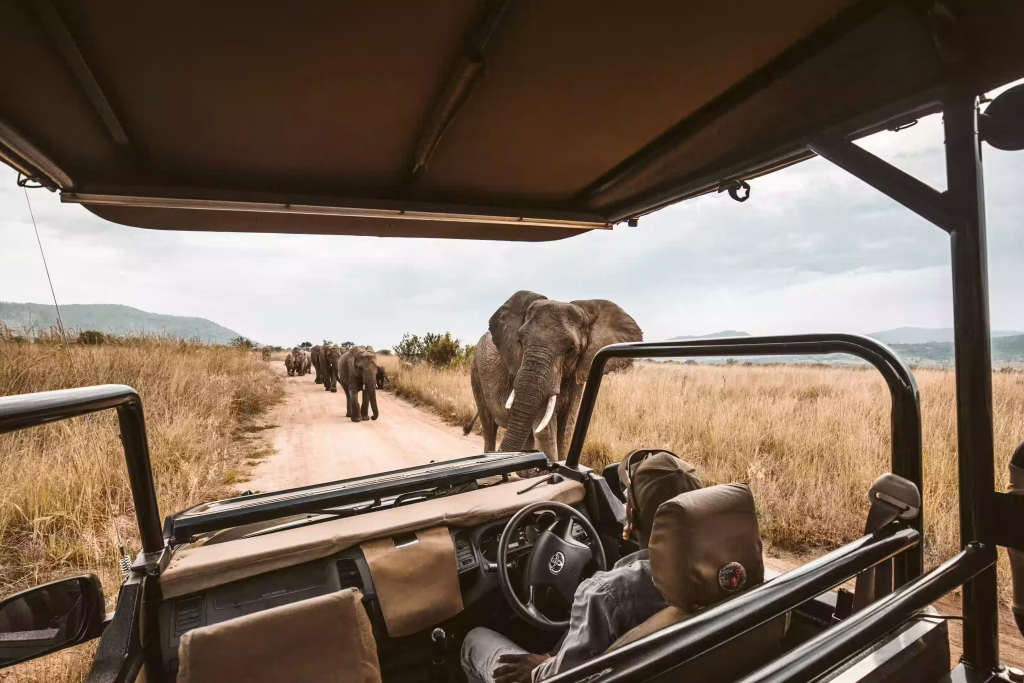
pexels-dkeats-33754718

Tanzania Travel Guide for Safaris, Beach & Mountain Climbing Tours

Welcome to our Tanzania Travel Guide, where we invite you to embark on a journey of discovery and wonder through one of Africa’s most breathtaking destinations. We are passionate about sharing the beauty and essence of this incredible land, from the thrill of safaris to the serenity of its beaches and the adventure of mountain climbing. In this guide, we will take you through the many wonders of Tanzania, providing you with the insights and information you need to plan an unforgettable trip.

Key Takeaways

  • Discover the best times to visit Tanzania for safaris and beach vacations
  • Explore the top destinations for mountain climbing and trekking
  • Learn about the rich cultural heritage and conservation efforts
  • Get insider tips on planning your dream trip to Tanzania
  • Experience the unique blend of adventure and relaxation

Overview of Tanzania’s Unique Attractions

Tanzania beckons with its unparalleled natural beauty and rich cultural heritage. As we explore this extraordinary land, we discover a tapestry of experiences that range from the majestic wildlife of the Serengeti to the vibrant cultures of its people.

The country’s diverse landscapes are a testament to its natural wonders, from the snow-capped peaks of Mount Kilimanjaro to the pristine beaches of Zanzibar. Each region offers a unique glimpse into Tanzania’s ecological and cultural richness.

Natural Wonders

Tanzania is home to some of Africa’s most spectacular natural attractions. The Serengeti National Park is renowned for its annual wildebeest migration, a spectacle that draws visitors from around the world. The Ngorongoro Crater, a UNESCO World Heritage Site, is another highlight, offering a glimpse into a diverse ecosystem teeming with wildlife.

The majestic Mount Kilimanjaro, Africa’s highest peak, stands as a challenge and a dream for many adventurers. Climbing this mountain is an experience that combines physical challenge with breathtaking scenery.

Cultural Diversity

Tanzania’s cultural landscape is as diverse as its natural beauty. With over 120 ethnic groups, the country is a mosaic of traditions, languages, and customs. The Maasai people are one of the most well-known tribes, known for their distinctive customs and strong cultural identity.

Visitors can experience this cultural richness firsthand by participating in local festivals, trying traditional cuisine, and engaging with the communities. This cultural immersion offers a deeper understanding of Tanzania’s heritage and its people’s way of life.

AttractionDescriptionExperience
Serengeti National ParkAnnual wildebeest migrationWildlife viewing, safari adventures
Ngorongoro CraterDiverse ecosystem, UNESCO World Heritage SiteExploring a unique wildlife habitat
Mount KilimanjaroAfrica’s highest peakMountain climbing, adventure
Maasai CultureTraditional customs, vibrant communityCultural immersion, traditional festivals

As we explore Tanzania’s unique attractions, we are reminded of the importance of preserving these natural wonders and cultural heritage sites for future generations. By embracing responsible tourism, we can ensure that Tanzania remains a land of wonder and discovery.

Planning Your Trip to Tanzania

The art of planning a trip to Tanzania is a delicate balance of timing, preparation, and insight, a harmony that weaves together the threads of an extraordinary travel experience. As we guide you through this process, we ensure that your journey is not just a visit, but a deep dive into the heart of Africa’s most captivating country.

Best Time to Visit

Tanzania’s diverse climate means that the best time to visit can vary depending on your interests. Generally, the dry season, from June to October, is considered ideal for wildlife viewing as animals congregate around water sources, making them easier to spot.

For those interested in witnessing the Great Migration, the months of July to August are particularly exciting, with the Serengeti’s vast plains teeming with wildebeest, zebras, and gazelles. On the other hand, if you’re looking to enjoy the beaches of Zanzibar or explore the islands, the dry seasons from December to March or June to October are preferable.

Dry-serason

Visa and Entry Requirements

Understanding the visa and entry requirements is crucial for a smooth entry into Tanzania. Most nationalities require a visa, which can often be obtained upon arrival at major airports and border crossings. However, it’s advisable to check the latest regulations and consider applying in advance if necessary.

NationalityVisa RequirementApplication Process
US CitizensRequiredAvailable upon arrival or online
EU CitizensRequiredAvailable upon arrival or online
Other NationalitiesVariesCheck with Tanzanian Embassy or Consulate

Additionally, it’s essential to ensure your passport is valid for at least six months beyond your planned departure date from Tanzania and that you have the required vaccinations, including yellow fever, depending on your travel history.

Top Safari Destinations in Tanzania

As we venture into the heart of Tanzania, we’re greeted by an array of unforgettable safari experiences that showcase the country’s rich wildlife and diverse landscapes. Tanzania’s safari destinations are renowned for their natural beauty and abundant wildlife, making them a must-visit for any safari enthusiast.

Ngorongoro Crater

The Ngorongoro Crater is one of Tanzania’s most iconic safari destinations, offering a unique blend of wildlife viewing and breathtaking scenery. This vast volcanic caldera is home to an incredible array of wildlife, including the Big Five: lions, elephants, buffalo, leopards, and rhinoceros. The crater’s diverse habitats, from grasslands to forests, support a wide range of flora and fauna, making it a haven for nature lovers and photographers alike.

Serengeti National Park

Serengeti National Park is another jewel in Tanzania’s safari crown, famous for its annual wildebeest migration. This spectacular event, where millions of wildebeest, zebras, and gazelles migrate in search of greener pastures, is a testament to the enduring power of nature. The Serengeti’s vast plains, dotted with acacia trees and rocky outcrops, provide a dramatic backdrop for wildlife viewing, with opportunities to spot a wide range of predators and prey.

Tarangire National Park

Tarangire National Park is known for its large elephant population and diverse birdlife, making it a favorite among safari-goers. The park’s landscape, characterized by baobab trees and the Tarangire River, provides a picturesque setting for game drives. Visitors can expect to see a variety of wildlife, including lions, leopards, and giraffes, against the backdrop of the park’s unique geological features.

Tanzania’s top safari destinations offer a mix of adventure, natural beauty, and unforgettable experiences. Whether you’re witnessing the Great Migration in the Serengeti, exploring the Ngorongoro Crater, or enjoying the tranquility of Tarangire, each safari destination provides a unique window into the country’s rich wildlife heritage.

Beach Destinations in Tanzania

From the pristine shores of Zanzibar to the bustling streets of Dar es Salaam, Tanzania’s coastline is a diverse and captivating destination. The beauty of Tanzania’s beaches lies not just in their picturesque landscapes but also in the rich cultural heritage they embody.

Zanzibar-beach

Tanzania’s coastline along the Indian Ocean is home to several stunning beach destinations, each with its unique charm. Let’s explore some of these hidden gems.

Zanzibar Island

Zanzibar Island, also known as Unguja, is the largest island in the Zanzibar Archipelago. It is renowned for its white sandy beaches and crystal-clear waters. The island’s historic Stone Town is a UNESCO World Heritage Site, filled with ancient architecture, bustling markets, and a blend of African, Arab, and European influences.

Pemba Island

Pemba Island is another gem in the Zanzibar Archipelago, known for its pristine marine environment and lush green landscapes. It is a haven for water sports enthusiasts, offering excellent opportunities for diving and snorkeling among its vibrant coral reefs.

Dar es Salaam

Dar es Salaam, Tanzania’s largest city, is a bustling metropolis with a coastline that offers a different kind of beach experience. While it may not have the secluded beaches of Zanzibar or Pemba, it has a vibrant cultural scene and a variety of restaurants serving fresh seafood. The city’s beaches, such as those at Kigamboni, offer a relaxed atmosphere and are popular among locals and visitors alike.

Each of these destinations offers a unique experience, from relaxation on pristine beaches to immersion in local culture. Whether you’re looking to unwind or explore, Tanzania’s beach destinations have something for everyone.

Mount Kilimanjaro: The Ultimate Climb

Climbing Mount Kilimanjaro is more than just a physical challenge; it’s a journey through diverse landscapes and cultures. As we embark on this adventure, we are met with the majestic beauty of Africa’s highest peak, a challenge that draws adventurers from around the world.

medium-shot-men-with-backpacks

Routes to the Summit

There are several routes to the summit of Mount Kilimanjaro, each offering a unique experience. The most popular routes include:

  • Machame Route: Known for its scenic views and high success rate.
  • Lemosho Route: A longer route that allows for better acclimatization.
  • Marangu Route: The most direct route, also known as the “Coca-Cola Route.”

Preparations and Gear

Preparing for the climb involves both physical training and gathering the right gear. Climbers should focus on:

  1. Building cardiovascular endurance.
  2. Acquiring appropriate clothing and footwear for varying conditions.
  3. Packing essentials such as water, snacks, and first-aid kits.

As Kilimanjaro National Park guidelines suggest, climbers should be well-prepared for the challenge ahead.

Tips for Climbers

To ensure a successful climb, consider the following tips:

“The key to reaching the summit lies not just in physical strength, but in mental resilience and preparation.”

  • Climb slowly to acclimatize to the altitude.
  • Stay hydrated and fueled throughout the climb.
  • Listen to your body and be prepared to turn back if necessary.

By following these guidelines and being mindful of our impact on the environment, we can ensure a safe and enjoyable climb for ourselves and future generations.

Cultural Experiences in Tanzania

As we journey through Tanzania, we’re invited to experience the rich Tanzanian culture that defines this extraordinary land. The cultural landscape is a mosaic of diverse influences, shaped by history and geography, creating a unique blend that is both captivating and enriching.

mariola-grobelska-3SKnnyk_CN4-unsplash

Traditional Festivals

Tanzania’s cultural calendar is dotted with traditional festivals that showcase the country’s vibrant heritage. One of the most significant events is the Zanzibar International Film Festival, which celebrates the arts and culture of the Swahili coast. Another notable celebration is the Ngorongoro Conservation Area’s Cultural Festival, where local communities come together to share their traditions, music, and dance.

These festivals offer a glimpse into the soul of Tanzania, revealing the deep-rooted customs and practices that have been passed down through generations. By participating in these events, we not only witness the rich cultural diversity but also contribute to the preservation of these precious traditions.

Local Cuisine to Try

Tanzanian cuisine is a flavorful reflection of the country’s cultural melting pot, with influences from African, Arab, and European culinary traditions. Some must-try dishes include Ugali, a staple made from maize flour, often served with stews or sauces. Nyama Choma, or roasted meat, is another favorite, typically enjoyed in a social setting with friends and family.

For those looking to explore beyond traditional dishes, Zanzibar’s spice plantations offer a unique opportunity to sample exotic flavors and aromas. The island’s cuisine is particularly renowned for its use of spices, which are grown locally and add a distinctive flavor to many dishes.

As we savor the local cuisine, we’re not just satisfying our taste buds; we’re also experiencing the cultural heritage that has shaped Tanzania’s culinary identity. Each dish tells a story of the people, their history, and their connection to the land.

Wildlife Conservation Efforts

The heartbeat of Tanzania’s wilderness is its conservation initiatives, which work tirelessly to protect its incredible biodiversity. As guardians of this land, we recognize the importance of preserving the delicate balance between nature and human activity.

Untitled-1-Recovered

National Parks and Reserves

Tanzania is home to some of Africa’s most renowned national parks and reserves, including the Serengeti National Park and the Ngorongoro Conservation Area. These protected areas are crucial for the conservation of iconic species such as lions, elephants, and giraffes. By safeguarding their habitats, we ensure the survival of these magnificent creatures for generations to come. Our national parks and reserves are not just sanctuaries for wildlife; they are also vital components of Tanzania’s ecosystem. They help maintain the health of the environment, support biodiversity, and contribute to the local economy through sustainable tourism practices. Visitors can explore these wonders by visiting Tanzania’s conservation areas, experiencing the beauty and majesty of African wildlife firsthand.

Community Engagement

Community engagement is a cornerstone of effective wildlife conservation in Tanzania. By working closely with local communities, conservation efforts can be more successful and sustainable. Initiatives that promote coexistence with wildlife, provide economic benefits, and support education and conservation awareness are key to fostering a harmonious relationship between humans and animals. Through community-led conservation programs, local populations are empowered to manage and protect their natural resources. This not only helps in preserving wildlife habitats but also improves livelihoods and promotes cultural exchange. By supporting community engagement initiatives, we can ensure that Tanzania’s conservation efforts are both effective and equitable.

Adventure Activities Beyond Safaris

Tanzania’s adventure landscape extends far beyond the savannah, inviting travelers to dive into crystal-clear waters and trek through lush landscapes. While safaris are a highlight, the country’s diverse geography offers a wide range of activities for the adventurous spirit. One of the most thrilling ways to experience Tanzania’s natural beauty is through its diving and snorkeling opportunities. The Zanzibar Archipelago is renowned for its vibrant coral reefs and diverse marine life, making it a paradise for underwater explorers. The crystal-clear waters offer visibility of up to 40 meters, perfect for spotting an array of tropical fish, dolphins, and even whale sharks during certain seasons.

redcharlie-nf7W_hn6DKQ-unsplash

Diving and Snorkeling

The waters around Pemba Island are considered some of the best diving spots in the region, with numerous dive sites suitable for both beginners and experienced divers. For those interested in snorkeling, the Mnemba Atoll is a must-visit, offering a kaleidoscope of marine life in its protected waters.

Beyond the coastline, Tanzania’s varied terrain provides endless opportunities for hiking trails and nature walks. The majestic Mount Meru offers challenging hikes with rewarding views of the surrounding landscape and the distant snow-capped peak of Mount Kilimanjaro.

Hiking Trails and Nature Walks

For a more leisurely experience, the Usambara Mountains provide scenic hiking trails that wind through lush forests and traditional villages, offering a glimpse into local life and the region’s unique biodiversity. The Ngorongoro Conservation Area also offers guided nature walks, allowing visitors to explore the crater’s diverse ecosystems while learning about conservation efforts.

Whether you’re diving into the depths of the Indian Ocean or trekking through Tanzania’s picturesque landscapes, the country’s adventure activities promise an unforgettable experience, showcasing the rich tapestry of its natural beauty.

Accommodations in Tanzania

Tanzania’s hospitality landscape is as varied as its landscapes, with options ranging from luxurious retreats to cozy, budget-friendly abodes. Whether you’re seeking the lap of luxury or a simple, authentic stay, Tanzania’s accommodations promise to enhance your travel experience.

Luxury Hotels

For those who desire the finer things in life, Tanzania’s luxury hotels offer unparalleled comfort and service. Properties like the Four Seasons Safari Lodge Serengeti and Penthouse Suites at the Serena Hotels provide opulent accommodations, often with stunning views of the surrounding wilderness.

These luxury establishments typically feature world-class amenities, including spas, fine dining restaurants, and guided safari experiences. Guests can expect lavish decor, attentive service, and a deep connection to the natural beauty that surrounds them.

Budget-Friendly Stays

Travelers on a budget will find that Tanzania offers a range of affordable accommodations without compromising on the essence of the Tanzanian experience. Options such as guesthouses, hostels, and budget lodges are available in popular destinations like Dar es Salaam and Moshi.

These budget-friendly stays often provide a more authentic, local experience, allowing visitors to engage with the community and enjoy the simplicity of Tanzanian hospitality. Many offer basic amenities and a cozy atmosphere, making them ideal for backpackers and solo travelers.

Unique Lodging Options

For the adventurous and those seeking something out of the ordinary, Tanzania offers unique lodging options that blend seamlessly with the natural environment. From tented camps in the Serengeti to treehouse lodges in the forests of the Usambara Mountains, these accommodations provide an immersive experience in nature.

Some notable examples include:

  • Four Seasons Safari Lodge Serengeti: Offers luxury tented accommodations with all the amenities.
  • Mbozange Camp: A riverside camp in the Selous Game Reserve with tented accommodations.
  • Treehouse Lodge, Usambara Mountains: Eco-friendly treehouses with panoramic views.
Accommodation TypeLocationFeatures
Luxury HotelsSerengeti, ZanzibarHigh-end amenities, guided safaris, fine dining
Budget-Friendly StaysDar es Salaam, MoshiAffordable rates, local experience, basic amenities
Unique Lodging OptionsSerengeti, Usambara MountainsNature immersion, eco-friendly, unique settings

In conclusion, Tanzania’s diverse accommodations cater to a wide range of preferences and budgets, ensuring that every traveler can find a suitable haven. Whether you opt for luxury, budget-friendliness, or uniqueness, your stay in Tanzania is sure to be memorable.

Local Transportation Options

Getting around Tanzania is an experience in itself, with a range of local transportation options to suit every traveler’s needs. As we journey through this beautiful country, the diverse landscapes and vibrant culture unfold before our eyes.

Domestic Flights

For those short on time or looking to cover vast distances, domestic flights are an excellent option. Airlines such as Precision Air and Auric Air offer regular services between major destinations like Dar es Salaam, Kilimanjaro, and Zanzibar. Flying not only saves time but also provides breathtaking views of Tanzania’s diverse landscapes, from the snow-capped peaks of Mount Kilimanjaro to the vast expanses of the Serengeti.

Buses and Matatus

For a more immersive experience, traveling by buses and matatus (minivans) is a great way to engage with local culture. These vehicles are the lifeblood of Tanzania’s transportation network, connecting towns and villages across the country. While buses are generally more comfortable for longer journeys, matatus are ideal for shorter trips and offer a lively, authentic experience. Just be prepared for a sometimes chaotic and always colorful ride.

When using buses and matatus, it’s essential to be flexible and patient. Schedules can be unpredictable, and routes may vary. However, this mode of transport provides a unique opportunity to interact with locals and witness the everyday life of Tanzanians.

Safety Tips for Travelers

As we journey through Tanzania, safety remains a top priority, intertwining with the thrill of exploration. We understand that a safe journey is not just about avoiding risks, but also about being prepared and aware of our surroundings.

When traveling to Tanzania, it’s essential to take certain health precautions to ensure a safe and enjoyable trip. This includes consulting your doctor or a travel clinic to get the necessary vaccinations and medications for travel to Tanzania.

Health Precautions

Before your trip, make sure you are up to date on all routine vaccinations. Additionally, consider vaccinations for Hepatitis A and Typhoid, as these are common health concerns in Tanzania. It’s also wise to take malaria prophylaxis, as the disease is prevalent in certain regions.

During your trip, maintaining good hygiene is crucial. Frequent handwashing, using hand sanitizer, and avoiding undercooked food and untreated water can significantly reduce the risk of falling ill.

Avoiding Tourist Scams

Tanzania, like many tourist destinations, has its share of scams targeting unsuspecting travelers. Being aware of common scams can help you avoid them. For instance, always negotiate taxi fares before you start your journey, and be cautious of overly friendly locals who might be trying to distract you while an accomplice steals your belongings.

Using reputable tour operators and being mindful of your belongings, especially in crowded areas, can also enhance your safety. We recommend staying informed about local conditions and following local advice to ensure a smooth and enjoyable journey.

pexels-1093389518-31107586

By taking these safety tips to heart, you can focus on the true essence of your Tanzanian adventure: immersing yourself in the natural beauty, rich culture, and warm hospitality that this incredible country has to offer.

Importance of Responsible Tourism

As we journey through Tanzania, we have a unique opportunity to make a positive difference by embracing responsible tourism practices. This approach not only enriches our travel experience but also contributes to the preservation of Tanzania’s natural beauty and cultural heritage. By choosing to travel responsibly, we directly support the local communities and contribute to the conservation of the environment. This mindful approach to travel ensures that the benefits of tourism are shared equitably among stakeholders, fostering a more sustainable and equitable tourism industry.

Supporting Local Economies

One of the most effective ways to practice responsible tourism is by supporting local economies. This can be achieved by choosing to stay in locally-owned accommodations, such as those found in Zanzibar Tanzania resorts, which offer a unique blend of cultural immersion and luxury. By doing so, we help to ensure that the economic benefits of tourism are retained within the community, promoting local economic growth and development. Eating at local restaurants and purchasing handicrafts from local artisans also play a significant role in supporting the local economy. These actions not only provide a genuine taste of Tanzanian culture but also help to preserve traditional crafts and practices.

Eco-Friendly Practices

Adopting eco-friendly practices is another crucial aspect of responsible tourism. This includes reducing our plastic usage, conserving water, and respecting wildlife and their habitats. By minimizing our environmental footprint, we can help protect Tanzania’s rich biodiversity and natural landscapes for future generations. Many tour operators in Tanzania are now adopting sustainable tourism practices, such as using renewable energy sources, reducing waste, and implementing conservation programs. By choosing to travel with these operators, we can significantly reduce our impact on the environment while supporting conservation efforts. As we continue to explore the wonders of Tanzania, let us remember that our actions have the power to shape the future of this incredible country. By embracing responsible tourism practices, we can ensure that Tanzania remains a vibrant and thriving destination for generations to come.

Unique Souvenirs to Bring Home

From intricate handicrafts to aromatic spices, Tanzania’s souvenirs are a reflection of its rich heritage. As we explore the local markets and shops, we find a variety of unique items that make perfect gifts or personal mementos.

Handicrafts and Art

Tanzania is renowned for its vibrant handicrafts, which include:

  • Intricately carved wooden figures and masks
  • Colorful textiles and kanga prints
  • Hand-woven baskets and other woven goods

These items not only showcase the skill of Tanzanian artisans but also tell stories of the country’s cultural traditions. Visiting local markets, such as those in Zanzibar, offers a chance to see these handicrafts up close and learn about their significance.

Coffee and Spices

Tanzania is also famous for its high-quality coffee and aromatic spices. The country’s coffee plantations produce some of the world’s best coffee beans, which are often sold at local markets. Additionally, Zanzibar’s spice farms offer a sensory experience, with the scent of cloves, cinnamon, and nutmeg filling the air. Bringing home a bag of Tanzanian coffee or a selection of spices is a great way to remember your trip.

Essential Travel Gear for Tanzania

From the Serengeti’s savannas to Zanzibar’s beaches, our travel gear can make or break the experience. As we prepare for our Tanzanian adventure, it’s essential to consider the diverse climates and activities we will encounter.

Clothing Recommendations

Tanzania’s climate varies significantly from the cool mountains to the hot savannas. Layering is key. We recommend packing:

  • Lightweight, breathable clothing for warm days
  • Thermal layers for cooler evenings and high-altitude climbs
  • Waterproof gear for unexpected rain showers
  • Sturdy, comfortable shoes for hiking and safaris

Neutral colors are best for safari adventures, allowing us to blend in with the natural surroundings.

Travel Essentials Checklist

A well-prepared traveler is a happy traveler. Here’s a checklist of essentials to include in our packing list:

ItemDescriptionImportance Level
Passport and VisaEnsure validity for at least six months beyond our return dateHigh
Sunscreen and SunglassesProtect against the strong African sunHigh
Insect RepellentGuard against mosquitoes and other insectsMedium
First Aid KitInclude essentials like band-aids, antiseptic wipes, and pain relieversHigh
Power AdapterTanzania uses Type D and G power socketsMedium

By carefully selecting our travel gear and clothing, we can ensure a comfortable and enjoyable journey through Tanzania.

Language and Communication

Effective communication is key to a fulfilling travel experience, and in Tanzania, this means learning a few essential Swahili phrases. As we immerse ourselves in the local culture, we find that speaking the language, even just a little, can greatly enhance our interactions with the Tanzanian people.

Common Swahili Phrases

Learning some basic Swahili phrases can go a long way in making your trip more enjoyable. Here are a few to get you started:

  • Jambo – Hello
  • Habari – How are you?
  • Asante – Thank you
  • Sawa – Okay/ Alright
  • Habari gani? – How are you? (formal)

Using these phrases can help break the ice and create a more positive interaction with locals.

Language Tips for Travelers

While many Tanzanians speak English, especially in tourist areas, there are still benefits to learning some Swahili. Here are some tips to help you navigate language barriers:

TipDescription
Carry a PhrasebookHaving a Swahili phrasebook or a translation app on your phone can be very helpful.
Learn Local ExpressionsUnderstanding local expressions and idioms can enrich your experience and help you connect with the culture.
Be PatientCommunication can sometimes be challenging, so be patient and enjoy the process of learning and interacting.

As we travel through Tanzania, from the bustling streets of Dar es Salaam to the serene beaches of Zanzibar, our ability to communicate can significantly impact our experience. Even simple efforts to speak Swahili can lead to more meaningful interactions and a deeper appreciation of this beautiful country.

Post-Travel Matters

As your Tanzanian adventure comes to a close, we invite you to relive the memories and share your experiences with others. Whether it’s through social media, travel blogs, or simply sharing stories with friends and family, your journey can inspire others to explore the beauty of Tanzania.

Your Story Matters

Sharing your experiences can help others plan their trips and make informed decisions about their travel destinations. You can share your stories on travel forums, write reviews on your favorite lodges and tour operators, or post photos on social media using relevant hashtags.

Staying Connected with Tanzania

Even after you’ve left Tanzania, you can stay connected with the country and its culture. Follow Tanzanian news and events, engage with Tanzanian communities on social media, or plan your next visit to Zanzibar or other destinations in Tanzania. You can also support Tanzanian businesses and conservation efforts, ensuring that your travel has a lasting positive impact.

As you stay connected with Tanzania, you can continue to explore the depths of this beautiful country, from the serene beaches of Zanzibar to the majestic peaks of Mount Kilimanjaro, making your zanzibar tanzania vacation a lifelong journey.

FAQ

What is the best time to visit Zanzibar, Tanzania?

The best time to visit Zanzibar is during the dry season, from June to October, when the weather is pleasant and ideal for beach activities and exploring the island.

What are the top resorts in Zanzibar, Tanzania?

Zanzibar is home to numerous luxury resorts, including those in Matemwe, Nungwi, and Kendwa, offering a range of amenities and activities tailored to different preferences.

How do I get around Zanzibar, Tanzania?

Visitors can get around Zanzibar by renting cars, hiring taxis, or using local transportation such as dale dale (minivans) and motorcycles, making it relatively easy to explore the island.

What are the must-visit beaches in Zanzibar, Tanzania?

Zanzibar boasts some of the most beautiful beaches in the Indian Ocean, including Nungwi Beach, Kendwa Beach, and Matemwe Beach, each offering a unique experience.

What activities can I do in Zanzibar, Tanzania?

Zanzibar offers a variety of activities, including snorkeling, diving, fishing, and exploring the historic Stone Town, as well as visiting local markets and spice plantations.

Do I need a visa to visit Tanzania, including Zanzibar?

Yes, most nationalities require a visa to enter Tanzania; it’s advisable to check with the Tanzanian embassy or consulate in your home country for the most up-to-date visa requirements.

What is the weather like in Zanzibar, Tanzania?

Zanzibar has a tropical climate, with temperatures ranging from 20°C to 30°C throughout the year; the island experiences two rainy seasons, from March to May and November to December.

Can I use credit cards in Zanzibar, Tanzania?

While some hotels, restaurants, and shops in Zanzibar accept credit cards, cash is still the preferred method of payment; it’s recommended to have local currency, Tanzanian shillings, for smaller transactions.

What vaccinations are required for travel to Tanzania?

Travelers to Tanzania are advised to be vaccinated against yellow fever, hepatitis A, and typhoid, among others; consult your doctor or a travel clinic for personalized advice.

Is Zanzibar, Tanzania, a safe destination for tourists?

Generally, Zanzibar is considered safe for tourists; however, as with any travel destination, it’s essential to take normal precautions to ensure your safety, such as being aware of your surroundings and keeping valuables secure.
Loading itinerary…
Saved Trips