wondernest travel

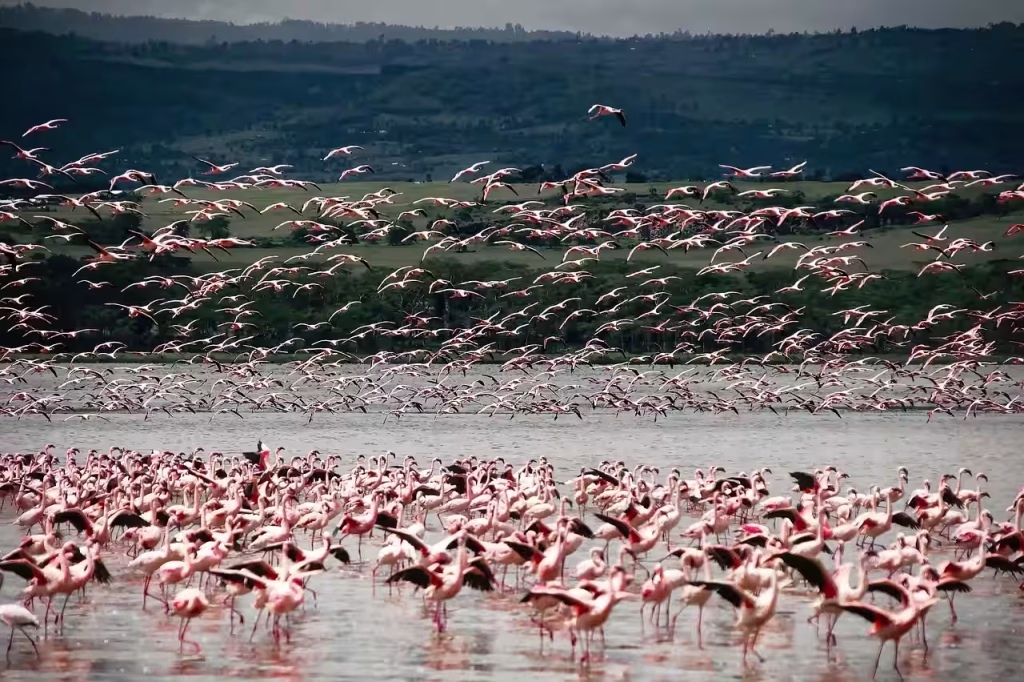
BIrd miga=ration

Embark on a Transformative Tanzania Safari: The Great Migration 

As we journey through the vast expanse of the Tanzanian wilderness, we are about to witness one of nature’s most awe-inspiring spectacles: the Great Migration. This phenomenon is more than just a wildlife spectacle; it’s an immersive experience that connects us with the raw power and beauty of the natural world.

We will explore the intricacies of this natural wonder, delving into its significance and the best times to witness it, allowing us to make the most of this transformative safari adventure.

Key Takeaways

  • Experience the raw power and beauty of nature during the Great Migration.
  • Witness the spectacle that transcends mere wildlife viewing.
  • Explore the significance and best times to witness the migration in Tanzania.
  • Make the most of your safari adventure with expert guidance.
  • Connect with nature on a deeper level through this immersive experience.

The Natural Wonder That Defines East Africa

Tanzania’s Great Migration is a testament to the enduring power of nature, a perpetual cycle that fascinates and inspires. As we witness this majestic spectacle, we are reminded of the intricate balance that sustains it. The Great Migration Tanzania is not just a movement of animals; it’s a complex interplay of survival, adaptation, and renewal.
A Perpetual Cycle of Life and Death

The Great Migration is characterized by a constant cycle of life and death, where predator and prey are inextricably linked. This cycle is a crucial aspect of the ecosystem, maintaining the delicate balance of nature. As we observe the migration, we are witness to the raw power of nature, where life bursts forth in the calving season, only to be tempered by the ever-present threat of predation.

The Scale and Significance of This Wildlife Phenomenon

The scale of the Great Migration is awe-inspiring, with over 1.5 million wildebeest, zebras, and gazelles making their way across the Tanzanian plains. This phenomenon is not just a spectacle; it’s a vital component of the ecosystem, shaping the very landscape itself. As we explore the significance of this event, we begin to understand the importance of conservation efforts, such as those supported by responsible tourism initiatives, in preserving this natural wonder for future generations.

The Great Migration Tanzania is a true marvel of the natural world, a testament to the beauty and complexity of life on Earth. As we reflect on this phenomenon, we are reminded of the importance of preserving our planet’s precious wildlife and ecosystems.

Understanding the Great Migration Tanzania

As we explore the Great Migration in Tanzania, we find that it’s driven by the circular journey of 1.5 million wildebeest. This massive movement is not just a spectacle; it’s a crucial ecological event that sustains the delicate balance of the ecosystem.

The Circular Journey of 1.5 Million Wildebeest

The wildebeest migration is a remarkable phenomenon where over a million wildebeest make a circular journey in search of greener pastures. This journey is fraught with danger, including river crossings and predator encounters, yet it’s a vital part of the ecosystem’s balance.

Other Wildlife Participants: Zebras and Gazelles

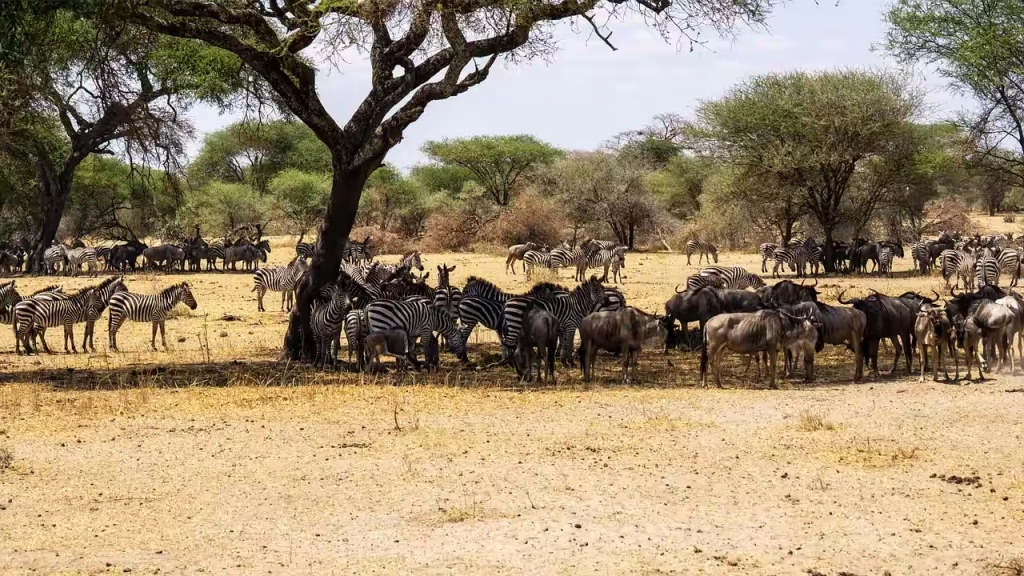
The wildebeest are not alone in their journey; they are accompanied by zebras and gazelles. This combined migration enhances the overall spectacle, creating a diverse and dynamic wildlife event.

The Ecological Importance of the Migration

The Great Migration plays a crucial role in maintaining the ecosystem’s health. It influences the vegetation patterns, supports predator populations, and maintains the nutrient cycle.

Wildlife ParticipantEstimated NumbersRole in the Ecosystem
Wildebeest1.5 millionPrimary grazers, influencing vegetation patterns
Zebras200,000 – 300,000Secondary grazers, contributing to mixed grazing patterns
GazellesVarious species, totaling around 100,000Selective grazers, adding to the diversity of grazing patterns
migration (1)

The Great Migration is a testament to the natural world’s complexity and beauty. As we witness this event, we’re reminded of the importance of conservation efforts to protect this delicate balance.

The Annual Cycle: Timing Your Visit

To truly experience the majesty of the Great Migration, we must attune ourselves to its annual rhythm, a symphony of movement and transformation. This natural phenomenon is a year-round spectacle, with different months offering unique experiences that showcase the resilience and adaptability of the wildlife.

December to March: Southern Serengeti Calving Season

The southern Serengeti comes alive during these months as the calving season begins. It’s a time of new life, with thousands of wildebeest calves taking their first steps on the grassy plains. The air is filled with the sounds of life, as predators and prey alike navigate this vulnerable period.

April to June: The Western Corridor and Grumeti River

As the seasons change, the herds begin their migration towards the western corridor, where they face the challenges of the Grumeti River crossings. The waters can be treacherous, but this is also a time of great abundance, with lush vegetation providing sustenance for the migrating masses.

July to October: Northern Serengeti and Mara River Crossings

The northern Serengeti, including the iconic Mara River, becomes the focal point during these months. The river crossings are dramatic and perilous, with crocodiles waiting in the waters below. It’s a testament to the wildebeest’s determination to reach the greener pastures.

November: The Return South

As the dry season intensifies, the herds begin their journey back south, marking the beginning of a new cycle. The landscape is dotted with weary animals, their coats dusty from the long journey, as they return to the familiar grounds of the southern Serengeti.

By understanding this annual cycle, we can plan our visit to coincide with the most spectacular moments of the Great Migration, creating a truly unforgettable experience.

Iconic Moments of the Great Migration

As we witness the Great Migration, we’re treated to a myriad of iconic moments that showcase nature’s raw power and beauty. The Tanzanian wilderness is a stage where drama unfolds daily, where life and death walk a tightrope.

The Dramatic River Crossings

One of the most breathtaking spectacles is the river crossings, where wildebeest and zebras navigate the treacherous waters teeming with waiting crocodiles. These moments are a heart-stopping display of nature’s brutality and the migrants’ will to survive.

Calving Season: Witnessing New Life

The calving season brings a different kind of drama, as newborn calves take their first wobbly steps in the southern Serengeti. It’s a time of renewal, where the grasslands are painted with the colors of new life, and the air is filled with the sounds of vulnerable calves and protective mothers.

Predator-Prey Interactions

The Great Migration is also a stage for the eternal dance between predators and prey. Survival is the only currency that matters in this realm.

Lion and Cheetah Hunts

Lions and cheetahs, masters of stealth and speed, stalk their prey across the savannah. Their hunts are a testament to the intricate strategies and adaptations that have evolved over millennia.

Crocodile Ambushes at River Crossings

At the river crossings, crocodiles lie in wait, their ancient eyes watching for the perfect moment to strike. These ambushes are a stark reminder of the ever-present danger that lurks beneath the surface.

Each moment during the Great Migration Tanzania safari is a chapter in an unfolding narrative of survival, adaptation, and the unyielding spirit of life.

Prime Locations to Witness the Spectacle

Tanzania’s Great Migration is a testament to the enduring power of nature, a spectacle that captivates and transforms all who witness it. As we explore the prime locations for viewing this natural wonder, we gain a deeper appreciation for the vast and varied landscapes that support this incredible journey.

Serengeti National Park: The Heart of the Migration

The Serengeti National Park stands as the epicenter of the Great Migration, offering unparalleled opportunities to witness the wildebeest, zebras, and gazelles as they make their way across the endless plains. The park’s diverse habitats, from grasslands to riverine forests, support a rich array of wildlife, making it a must-visit location for anyone seeking to experience the migration in all its glory.

Ngorongoro Conservation Area

The Ngorongoro Conservation Area provides a unique backdrop for the migration, with its dramatic landscapes and rich biodiversity. The area’s crater, a UNESCO World Heritage Site, is home to a dense population of wildlife, offering visitors a chance to witness the migration within the context of one of Africa’s most remarkable geological formations.

Serengeti (1)

Grumeti and Mara River Regions

The Grumeti and Mara River regions are renowned for their dramatic river crossings, a highlight of the Great Migration. These crossings are a testament to the bravery and resilience of the migrating herds, as they navigate the treacherous waters in search of greener pastures.

Lesser-Known Viewing Points

Beyond the well-known locations, there are numerous lesser-known viewing points that offer intimate and unforgettable encounters with the migration. These hidden gems provide a chance to experience the migration without the crowds, allowing for a more personal and immersive experience.

By exploring these prime locations, we can gain a more nuanced understanding of the Great Migration and its significance within the Tanzanian ecosystem. Each location offers a unique perspective on this natural phenomenon, from the dramatic river crossings to the serene beauty of the Serengeti’s endless plains.

Safari Options for Experiencing the Migration

Tanzania’s Great Migration is a transformative experience that can be tailored to individual preferences through different safari options. We offer a range of ways to witness this natural wonder, from the adrenaline rush of classic game drives to the tranquility of hot air balloon safaris.

Classic Game Drives

For many, the quintessential safari experience is a classic game drive. Venturing into the heart of the Serengeti, we navigate the savannah in 4×4 vehicles, getting up close to the migrating herds. This is an exhilarating way to witness the drama of the migration, with expert guides pointing out the best vantage points and sharing insights into the behavior of the wildlife.

Hot Air Balloon Safaris

For a more serene experience, hot air balloon safaris offer a bird’s-eye view of the migration. Drifting silently above the landscape, we watch the sun rise over the endless plains, with the herds below creating a breathtaking spectacle. It’s a peaceful and unforgettable way to experience the scale and beauty of the Great Migration.

pexels-derek-rushton-49567147-7617629

Mobile Camping Safaris

For those seeking a more immersive experience, mobile camping safaris allow us to follow the migration closely. We set up camp in the heart of the action, providing a unique opportunity to be surrounded by the sights and sounds of the migrating herds. It’s an adventurous way to connect with nature and witness the migration up close.

Luxury Lodge Experiences

For a more luxurious take on the safari experience, luxury lodges offer comfort and elegance in the midst of the wilderness. With amenities and fine dining, these lodges provide a sophisticated base from which to explore the migration. We can relax in style, enjoying the tranquility of the surroundings while still being close to the action.

Planning Your Tanzania Migration Safari

As we embark on planning our Tanzania migration safari, we must consider several key factors to make the most of this incredible journey. The great migration in Tanzania is a complex event that spans across various landscapes and seasons.

Best Times to Book Your Trip

Booking our trip during the right season is crucial. The migration is a year-round event, but certain periods offer more dramatic spectacles than others. For instance, the calving season from December to March in the southern Serengeti is a time of abundant new life.

Duration Recommendations

We recommend a minimum of 7-10 days for our Tanzania migration safari to allow us to follow the herds across different regions. This duration gives us flexibility to adjust our plans based on the latest migration patterns.

Combining the Migration with Other Attractions

Tanzania offers much more than just the great migration. We can combine our safari with visits to the Ngorongoro Crater, Mount Kilimanjaro, or explore the cultural heritage of local tribes, enriching our travel experience.

Working with Safari Operators vs. Independent Travel

While independent travel offers freedom, working with experienced safari operators can significantly enhance our experience. They provide local expertise, logistical support, and often contribute to conservation efforts, making our journey more meaningful and less stressful.

By carefully considering these factors, we can tailor our Tanzania migration safari to be a truly unforgettable adventure, immersing ourselves in one of nature’s most spectacular events.

Accommodation Options Along the Migration Route

Tanzania’s wildlife migration routes are dotted with various accommodation choices, ensuring every traveler finds their perfect fit. As we traverse the vast landscapes of the Serengeti and beyond, we’re presented with a range of options that cater to different needs and preferences.

Luxury Lodges and Permanent Tented Camps

For those seeking comfort and luxury, high-end lodges and permanent tented camps offer world-class amenities amidst the African wilderness. These establishments provide a blend of elegance and adventure, with many offering guided tours and exceptional service.

Mobile Camps That Follow the Migration

For a more immersive experience, mobile camps follow the migration, allowing travelers to be as close as possible to the action. These camps offer a unique blend of adventure and comfort, with the ever-changing landscape as their backdrop.

tent-glamping-night

Budget-Friendly Alternatives

Not all travelers require luxury, and budget-friendly options are available for those who want to experience the Great Migration without breaking the bank. These alternatives offer a more rustic experience, often with a greater sense of community among travelers.

Family-Friendly Accommodations

Families are well catered for along the migration route, with many lodges and camps offering family-friendly accommodations and activities. These range from kid-friendly game drives to specially designed rooms that can accommodate families of various sizes.

The Emotional Impact of Witnessing Nature’s Greatest Show

The emotional resonance of the Great Migration is profound, a testament to the enduring power of nature to move and transform us. As we witness this natural spectacle, we are not merely observers; we become part of a larger narrative, one that connects us deeply with the land and its inhabitants.

Personal Testimonials from Safari-Goers

Many who have experienced the Great Migration firsthand describe it as a life-changing event. For instance, Sarah Jenkins, a visitor from the United States, shared:

“The moment I witnessed the wildebeest crossing the Mara River was etched in my memory forever. It was as if time stood still.”

Such testimonials underscore the profound emotional impact of this natural phenomenon.

Moments of Awe and Transformation

The Great Migration is replete with moments that inspire awe and catalyze personal transformation. Whether it’s the birth of a wildebeest calf during the calving season or the dramatic river crossings, each moment is a testament to the raw beauty and power of nature.

Connecting with Nature on a Deeper Level

Witnessing the Great Migration encourages a deeper connection with the natural world. It reminds us of our place within the ecosystem and fosters a sense of responsibility towards conservation. As we marvel at the migration, we are compelled to protect and preserve this wonder for future generations.

Emotional ImpactPersonal TransformationConnection to Nature
Awe-inspiring momentsLife-changing experiencesDeeper appreciation for nature
Profound emotional resonanceIncreased sense of wonderEnhanced conservation awareness
Unforgettable memoriesPersonal growthResponsibility towards nature

Photography Tips for Capturing the Migration

Capturing the Great Migration through the lens is an experience that requires patience, skill, and a deep understanding of the wildlife. As we embark on a Tanzania migration safari, we’re presented with endless opportunities to capture the drama and beauty of the African savannah.

Essential Camera Equipment

To make the most of this experience, it’s crucial to have the right equipment. A DSLR or mirrorless camera with a telephoto lens (at least 200mm) is ideal for capturing the action from a safe distance.

Techniques for Wildlife Action Shots

Mastering the art of wildlife photography involves anticipating and capturing the decisive moment. This requires a good understanding of animal behavior and the ability to react quickly.

Ethical Photography Practices

As we capture the beauty of the Great Migration, it’s essential to do so ethically, respecting the animals and their habitat. This means keeping a safe distance and never baiting or disturbing the wildlife for a shot.

Smartphone Photography Options

Even with a smartphone, you can capture stunning images of the migration. Modern smartphones offer impressive camera capabilities, and with the right techniques, you can achieve remarkable results.

Beyond the Migration: Tanzania’s Other Wildlife Treasures

As we venture beyond the Great Migration, Tanzania reveals a wealth of wildlife treasures waiting to be discovered. The country’s diverse landscapes and ecosystems support an incredible array of fauna, from the majestic Big Five to a myriad of bird species and lesser-known wildlife encounters.

The Big Five and Other Iconic Species

Tanzania is renowned for its populations of the Big Five: lion, leopard, rhinoceros, elephant, and Cape buffalo. These iconic species are a highlight of any safari experience. Lions, with their powerful roars, dominate the savannas, while leopards exhibit their elusive nature, often hiding in plain sight. The black rhinoceros, an endangered species, finds a safe haven in Tanzania’s protected areas. Elephants, with their complex social structures, roam the landscapes, and Cape buffalo, known for their unpredictable behavior, graze in large herds.

animal-6909408_1280

Bird Watching Opportunities

Tanzania is a paradise for birdwatchers, with over 1,000 species recorded. The diverse habitats, from wetlands to forests and savannas, support a wide variety of birdlife. Some of the notable species include the African fish eaglelilac-breasted roller, and kori bustard. The country’s lakes, such as Lake Manyara and Lake Natron, are particularly famous for their birdwatching opportunities, attracting species like flamingos and pelicans.

  • Over 1,000 bird species recorded
  • Diverse habitats supporting various birdlife
  • Notable species include African fish eagle and lilac-breasted roller

Lesser-Known Wildlife Encounters

Beyond the well-known Big Five, Tanzania is home to a variety of lesser-known but equally fascinating wildlife. The lesser kudu, with its striking spiral horns, inhabits the dense bushlands. The bat-eared fox, with its oversized ears, is a unique sight, and the klipspringer, adapted to rocky terrains, is a marvel of nature. These encounters add depth and variety to the safari experience, revealing the complexity and richness of Tanzania’s ecosystems.

In conclusion, Tanzania’s wildlife treasures extend far beyond the Great Migration, offering a diverse and enriching experience for visitors. From the iconic Big Five to the myriad bird species and lesser-known wildlife, the country’s natural heritage is a true marvel.

Cultural Experiences to Complement Your Safari

Beyond the breathtaking spectacle of the Great Migration, Tanzania offers a rich tapestry of cultural experiences waiting to be explored. As we journey through this magnificent land, we have the opportunity to engage with the local communities, delving into their traditions, cuisine, and heritage.

Maasai Village Visits

Visiting a Maasai village allows us to glimpse into the traditional way of life of these iconic Tanzanians. We can learn about their customs, witness their craftsmanship, and even participate in their dances, creating unforgettable memories.

Local Cuisine and Traditions

Tanzanian cuisine is a flavorful blend of African, Arab, and European influences. By experiencing local dishes and drinks, we can savor the authentic taste of the region. Moreover, understanding the traditions behind these culinary delights adds depth to our cultural experience.

Cultural Heritage Sites

Exploring cultural heritage sites such as ancient rock art paintings and historical towns provides insights into Tanzania’s rich history. These sites are windows into the past, revealing the stories and legends that have shaped the region.

Interactions with Local Communities

Engaging with local communities through homestays or community-led tours fosters a deeper understanding and appreciation of Tanzanian culture. These interactions are a meaningful way to connect with the people and their way of life.

Conservation Challenges and Efforts

In the shadow of the Great Migration’s grandeur lies a complex web of conservation challenges and efforts. The very existence of this natural wonder is threatened by habitat loss, human-wildlife conflict, and climate change.

Threats to the Migration Routes

The Great Migration Tanzania is facing unprecedented threats to its traditional migration routes. Habitat fragmentation due to agricultural expansion and urbanization is forcing wildlife into smaller areas, increasing competition for resources.

Conservation Organizations at Work

Fortunately, numerous conservation organizations are working tirelessly to protect the Great Migration. The Tanzania National Parks Authority, along with international organizations like the World Wildlife Fund, are implementing measures to safeguard migration routes and protect wildlife.

How Tourists Can Contribute to Conservation

Tourists can play a significant role in conservation efforts by supporting eco-friendly tour operators and local communities. As

“The future of the Great Migration depends on our collective efforts to protect it.”

By choosing responsible tourism practices, visitors can contribute to the preservation of this natural wonder.

Practical Travel Information for Tanzania

As we prepare for our Tanzania Migration Safari, it’s essential to consider the practical aspects that will ensure a smooth and enjoyable journey. Understanding these details will allow us to focus on the true essence of our adventure: witnessing the Great Migration.

Visa Requirements and Entry Procedures

Most visitors to Tanzania require a visa, which can often be obtained upon arrival. It’s crucial to check the latest visa requirements and ensure your passport is valid for at least six months beyond your planned departure date.

Health and Safety Considerations

Health precautions are vital. Consult your doctor about recommended vaccinations and malaria prophylaxis. Staying hydrated and protecting yourself from the sun are also essential.

Currency and Communication

The Tanzanian shilling is the local currency, although US dollars are widely accepted. Mobile phone coverage is improving, but it’s still limited in some areas. Consider purchasing a local SIM card for data and communication.

Packing Essentials for Safari

Packing the right gear is crucial. Include lightweight, neutral-colored clothing, a good camera, binoculars, and sturdy walking shoes. Don’t forget sunscreen, a hat, and insect repellent.

Accessibility Considerations

Tanzania is making strides in accessibility, but some areas may still be challenging. Research your tour operator’s accessibility options and plan accordingly.

Conclusion: The Transformative Power of Witnessing the Great Migration

As we conclude our journey through the Great Migration in Tanzania, we’re reminded of the profound impact this natural wonder has on our lives. Witnessing the majestic wildebeest herds, the dramatic river crossings, and the perpetual cycle of life and death leaves an indelible mark on our souls. The great migration tanzania is more than a spectacle; it’s a testament to the beauty, power, and resilience of the natural world.

Embarking on a tanzania migration safari allows us to immerse ourselves in this awe-inspiring phenomenon, fostering a deeper connection with nature and a newfound appreciation for the importance of conservation. As we return home, the memories of this experience stay with us, inspiring a sense of wonder and a desire to protect our planet’s precious wildlife.

We invite you to be a part of this transformative journey, to witness the Great Migration, and to experience the magic of Tanzania’s wilderness. Let the rhythms of the wild stay with you, inspiring a lifelong passion for exploration and conservation.

FAQ

What is the best time to witness the Great Migration in Tanzania?

The best time to witness the Great Migration in Tanzania is between December and March for the calving season in the southern Serengeti, April to June for the western corridor and Grumeti River crossings, and July to October for the northern Serengeti and Mara River crossings.

What is the Great Migration, and why is it significant?

The Great Migration is a natural phenomenon where approximately 1.5 million wildebeest, accompanied by zebras and gazelles, migrate in a circular journey in search of greener pastures. It is significant because it is one of the most spectacular wildlife events on the planet, showcasing the raw power and beauty of nature.

What safari options are available for experiencing the Great Migration?

Various safari options are available, including classic game drives, hot air balloon safaris, mobile camping safaris, and luxury lodge experiences, catering to different preferences and needs.

How can I plan my Tanzania migration safari?

Planning a Tanzania migration safari involves considering the best times to book, the ideal duration of the trip, and whether to combine the migration with other attractions. Working with safari operators or traveling independently are also options to consider.

What accommodation options are available along the migration route?

Accommodation options range from luxury lodges and permanent tented camps to mobile camps that follow the migration, budget-friendly alternatives, and family-friendly accommodations, catering to diverse needs and budgets.

How can tourists contribute to conservation efforts related to the Great Migration?

Tourists can contribute to conservation efforts by supporting conservation organizations, being mindful of their impact on the environment, and respecting wildlife and their habitats.

What are the visa requirements and health considerations for traveling to Tanzania?

Visa requirements and health considerations vary, and it is essential to check the latest information before traveling to Tanzania. Understanding currency, communication, and packing essentials is also crucial for a smooth trip.

Can I experience the Great Migration with my family?

Yes, family-friendly accommodations and safari options are available, making it possible to experience the Great Migration with your family.

What photography tips can you offer for capturing the Great Migration?

Essential camera equipment, techniques for wildlife action shots, and ethical photography practices are crucial for capturing the essence of the Great Migration. Smartphone photography options are also available for those who prefer a more straightforward approach.
Loading itinerary…
Saved Trips