wondernest travel

samson-tarimo-_60_YhNBwkg-unsplash

Bagamoyo, Tanzania: A Transformative Safari 

We invite you to embark on a journey to a place where history, culture, and natural beauty converge to create a truly transformative safari experience. In this captivating destination, the modern world meets the ancient wilderness, offering a unique blend of adventure and introspection. As we share our homeland with you, we aim to inspire a deep connection with the land and its rich heritage. The landscapes here are breathtaking, with a profound sense of history that touches the soul. It is a place where one can experience the essence of Africa, in all its beauty and complexity.

Key Takeaways

  • Experience a transformative safari in a unique blend of adventure and introspection.
  • Discover the rich cultural heritage and history of the region.
  • Connect with nature in its most pristine and untouched form.
  • Enjoy a journey that combines the modern world with the ancient wilderness.
  • Be inspired by the breathtaking landscapes and profound sense of history.

The Rich Heritage of Bagamoyo

Bagamoyo, a town with a soul as old as the sea that caresses its shores, stands as a testament to Tanzania’s multifaceted heritage. As we explore this historical town, we uncover the layers of its past, from its humble beginnings to its current status as a cultural and historical hub.

From Fishing Village to Historical Center

Once a modest fishing village, Bagamoyo evolved into a significant historical center, playing a crucial role in the region’s trade and cultural exchange. Its transformation over the centuries is a testament to the resilience and adaptability of its people.

The following table highlights key milestones in Bagamoyo’s transformation:

PeriodEventSignificance
18th CenturyEstablished as a fishing villageInitial settlement and economic activity
19th CenturyBecame a major slave trade hubInvolvement in the slave trade shaped the town’s history
20th CenturyTransition to a historical centerPreservation of historical sites and cultural heritage

The Meaning Behind “Bwaga Moyo”

The name “Bagamoyo” or “Bwaga Moyo” translates to “lay down your heart,” a poignant reflection of the emotional journeys undertaken by those who passed through this town. This name encapsulates the essence of Bagamoyo’s history, marked by both sorrow and resilience.

oliver-kwembe-oq3-sM9-xEs-unsplash

Bagamoyo’s Role in the East African Slave Trade

In the annals of history, Bagamoyo stands as a poignant testament to the East African slave trade, a narrative of suffering and resilience. As we reflect on this significant aspect of the town’s past, we are reminded of the complex legacy that shapes its identity today.

The Last Stop Before Zanzibar

Bagamoyo served as the final mainland stop for slaves being transported to Zanzibar, a journey fraught with hardship and suffering. The town’s historical significance in this context is profound, serving as a reminder of the harsh realities of the slave trade. The memories of this painful past linger, a testament to the strength and resilience of the human spirit.

As we explore the history of the slave trade in Bagamoyo, we uncover the stories of countless individuals who were forcibly taken from their homes and families, their lives forever changed by the brutal realities of slavery.

Monuments and Memorials of a Dark Past

Today, Bagamoyo is home to several monuments and memorials that commemorate the victims of the slave trade. These sites serve as powerful reminders of the town’s history, inviting reflection and contemplation. The monuments stand as testaments to the past, educating visitors about the importance of respecting and understanding our shared history.

Monument/MemorialSignificanceLocation
Slave Market MemorialCommemorates the victims of the slave tradeOld Town, Bagamoyo
Bagamoyo Historical MuseumShowcases the history of the slave trade and its impactCentral Bagamoyo

These monuments and memorials not only honor the past but also serve as educational tools, fostering a deeper understanding of the historical context and its ongoing impact on the community.

Colonial Legacy in Bagamoyo, Tanzania

The colonial legacy in Bagamoyo, Tanzania, is a complex narrative of cultural, architectural, and historical influences that have shaped the town into what it is today. As we explore this legacy, we gain insight into the historical forces that have contributed to Bagamoyo’s unique identity.

German East Africa’s First Capital

In the late 19th century, Bagamoyo served as the capital of German East Africa, a status that brought significant architectural and cultural developments to the town. The Germans constructed administrative buildings, churches, and other infrastructure that still stand today, albeit with varying degrees of preservation. These structures not only reflect German architectural styles but also symbolize the complex history of colonial rule in the region.

YearEventSignificance
1885German colonization beginsMarked the start of German influence in Bagamoyo
1891Capital of German East AfricaBrought administrative and architectural developments
1918End of German ruleTransition to British colonial rule after World War I

British Colonial Influence After World War I

Following World War I, Bagamoyo, like the rest of German East Africa, was mandated to Britain by the League of Nations. The British continued some of the administrative and economic structures established by the Germans, further shaping the town’s cultural and historical landscape. The blend of German and British influences, along with the existing Swahili culture, has created a unique cultural mosaic in Bagamoyo.

The legacy of colonial rule in Bagamoyo is a multifaceted heritage that continues to influence the town’s identity. Understanding this complex history is crucial for appreciating the cultural richness and historical depth of Bagamoyo.

The Cultural Mosaic of Bagamoyo

As we explore Bagamoyo, we discover a rich cultural tapestry woven from the threads of various traditions. This coastal town in Tanzania is a melting pot of cultures, where indigenous communities have played a significant role in shaping its identity.

The cultural diversity of Bagamoyo is reflected in its vibrant heritage, with various communities contributing to its richness. We see this diversity in the town’s architecture, art, and traditions, which are a testament to its history as a major trading center.

Indigenous Communities and Their Traditions

The indigenous communities of Bagamoyo, such as the Zaramo and Kwere, have maintained their traditional ways of life despite the influences of modernization. These communities are known for their expertise in crafts such as woodcarving, basket weaving, and pottery.

Their traditions are an integral part of Bagamoyo’s cultural heritage, and visitors can experience them firsthand by participating in local cultural events and workshops. For instance, we can visit local artisans and learn about their crafts, or attend a traditional dance performance that showcases the town’s rich cultural diversity.

CommunityTraditional CraftsCultural Practices
ZaramoWoodcarving, Basket WeavingTraditional Dances, Initiation Ceremonies
KwerePottery, BeadworkAncestral Worship, Storytelling

The Bagamoyo Arts College: Cultural Preservation

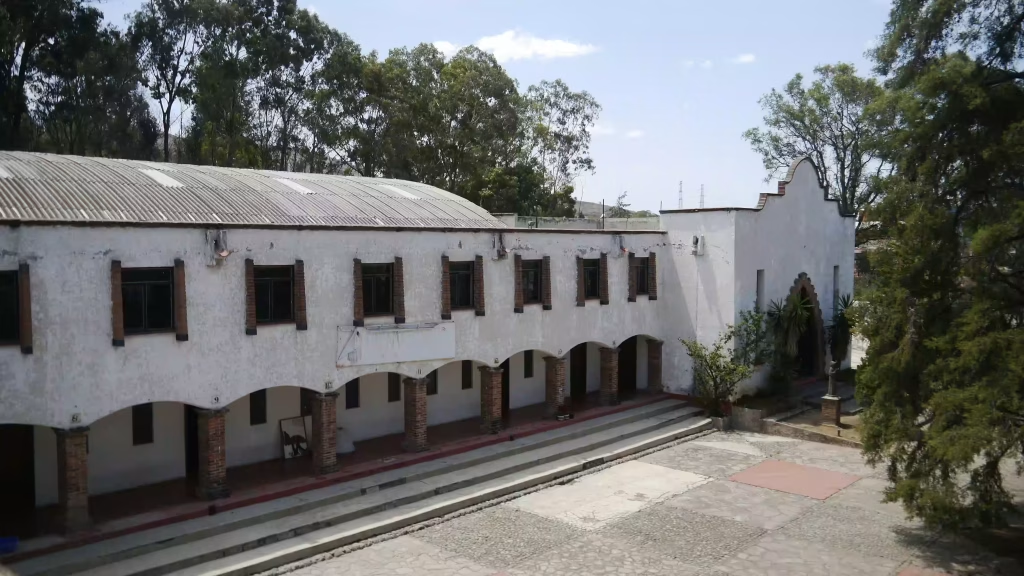
The Bagamoyo Arts College is a renowned institution dedicated to the preservation and promotion of Tanzanian arts and culture. The college offers training in various art forms, including music, dance, and theater, and is known for its vibrant performances and exhibitions.

By supporting the Bagamoyo Arts College, we are contributing to the preservation of Tanzania’s cultural heritage. Visitors can explore the college’s facilities, attend a performance, or participate in a workshop to learn more about the town’s rich cultural traditions. For more information on exploring Tanzania’s cultural heritage, visit WonderNest Travel.

celso-a-torres-pirron-27ZETCXqAJE-unsplash

Natural Ecosystems of Bagamoyo

As we explore Bagamoyo, we discover a tapestry of natural ecosystems that are as diverse as they are vital. These ecosystems not only support a wide range of biodiversity but also play a crucial role in the health of our planet.

Coastal Mangroves and Their Importance

The coastal mangroves of Bagamoyo are a critical component of the local ecosystem. They provide a protective barrier against storms and erosion, while also serving as nurseries for marine life. These mangroves are home to a variety of species, including fish, crustaceans, and birds. The importance of mangroves cannot be overstated; they are a key factor in maintaining the balance of the marine ecosystem.

  • Support biodiversity by providing habitat for numerous species
  • Protect coastlines from erosion and storm damage
  • Contribute to the global carbon cycle by sequestering carbon dioxide

Biodiversity in Bagamoyo’s Surroundings

The surroundings of Bagamoyo are characterized by a rich biodiversity, with a mix of flora and fauna that are typical of the Tanzanian coast. The area is home to a variety of wildlife, including monkeys, bushbabies, and numerous bird species. The diverse ecosystems support a complex food web, ensuring the health and resilience of the environment.

“The preservation of natural ecosystems is crucial for maintaining biodiversity and ensuring the long-term health of our planet.”

The Transformative Safari Experience

Embarking on a safari in Bagamoyo is like stepping into a living, breathing world where every moment is a testament to nature’s splendor and our place within it. As we guide you through the wilderness, we invite you to immerse yourself in the natural beauty of Tanzania, fostering a deeper connection with the land and its inhabitants.

Wildlife Encounters in Saadani National Park

Saadani National Park offers a unique safari experience with its blend of wildlife and coastal scenery. Here, you can witness elephants roaming freely along the beach, a sight that is both surreal and humbling. The park is home to a diverse range of wildlife, including lions, giraffes, and numerous bird species, making every safari a thrilling adventure.

Spiritual and Personal Growth Through Nature

A safari in Bagamoyo is not just about witnessing wildlife; it’s a journey of spiritual and personal growth. As you navigate through the wilderness, the tranquility of nature encourages introspection and a deeper understanding of oneself. This connection with nature has a profound effect, rejuvenating the spirit and fostering a sense of harmony with the environment.

Safari Itineraries and Options

We offer a variety of safari itineraries to cater to different preferences and interests. Whether you’re looking for a day trip to Saadani National Park or a multi-day safari adventure, our expert guides will tailor the experience to ensure it’s both exhilarating and memorable. Choose from options that include game drives, walking safaris, and boat tours, each designed to provide a unique perspective on Tanzania’s natural beauty.

Must-Visit Historical Sites in Bagamoyo

As we wander through the historic streets of Bagamoyo, we uncover the layers of its rich past. The town is a living museum, with each historical site telling a unique story of its cultural, religious, and colonial heritage.

zoshua-colah-BvWPsfmZRfQ-unsplash

The Old Town and Its Architecture

The Old Town of Bagamoyo is a maze of narrow alleys and ancient buildings, showcasing a blend of Swahili, Arabic, and European architectural influences. The old town’s layout reflects its historical significance as a major trading center.

Kaole Ruins and Ancient Mosques

A few kilometers north of Bagamoyo lies the Kaole Ruins, a site of ancient mosques and tombs dating back to the 13th century. These ruins are a testament to the region’s early adoption of Islam and its importance in the historical trade routes.

“The Kaole Ruins stand as silent witnesses to the historical currents that have shaped Bagamoyo.”

The Old German Boma and Administrative Buildings

The Old German Boma, built in the late 19th century, served as the administrative headquarters during the German colonial period. This imposing structure now stands as a reminder of the complex history of colonial rule in Tanzania.

Historical SiteSignificanceEra
Old TownBlend of Swahili, Arabic, and European architectureColonial Era
Kaole RuinsAncient mosques and tombs13th Century
Old German BomaAdministrative headquarters during German colonial ruleLate 19th Century

The First Catholic Church in East Africa

Bagamoyo is home to the first Catholic Church in East Africa, established by missionaries in the 19th century. This church represents the introduction of Christianity to the region and is a significant landmark in the town’s religious history.

Each of these historical sites contributes to the rich tapestry of Bagamoyo’s history, inviting visitors to explore and understand the town’s multifaceted past.

Exploring Bagamoyo’s Pristine Beaches

As we wander along the coastline of Bagamoyo, the pristine beaches beckon us to unwind and connect with nature’s serenity. The shoreline, with its soft white sands and crystal-clear waters, provides a tranquil setting for relaxation and contemplation.

The Main Beach and Its Historical Significance

The main beach in Bagamoyo is not only a place of natural beauty but also steeped in history. It’s here that we can feel the weight of the town’s past, from its role in the slave trade to its significance during the colonial era. As we walk along the shore, we can almost hear the whispers of the past, carried on the gentle ocean breeze.

pexels-dirk-pothen-2149332904-32155022

Water Activities and Marine Exploration

For the more adventurous, Bagamoyo’s beaches offer a range of water activities and opportunities for marine exploration. From snorkeling and diving to kayaking and sailing, there’s something for everyone. The clear waters provide a glimpse into an underwater world teeming with life, making it a paradise for marine enthusiasts.

ActivityDescriptionLevel of Adventure
SnorkelingExplore the underwater world just off the shoreModerate
DivingDiscover the deeper waters and their marine lifeHigh
KayakingPaddle through the calm waters and enjoy the sceneryLow to Moderate

Where to Stay in Bagamoyo

The choice of where to stay in Bagamoyo is more than just a decision; it’s an opportunity to become part of the local fabric, engaging with the community and enhancing your overall experience. Whether you’re looking for luxury or budget-friendly options, Bagamoyo offers a range of accommodations to suit every traveler’s needs.

HOTEL

Luxury Accommodations and Beachfront Resorts

For those seeking the ultimate in relaxation and luxury, Bagamoyo’s beachfront resorts offer a serene escape. With amenities such as private pools, spas, and fine dining options, these resorts provide an unparalleled level of comfort. Guests can enjoy water activities like snorkeling and kayaking, or simply bask in the tranquility of their surroundings.

Some of the top luxury accommodations in Bagamoyo include:

  • Resorts with private beach access
  • Luxury villas with personalized butler service
  • Upscale hotels offering gourmet dining experiences

Budget-Friendly Options and Guesthouses

On the other end of the spectrum, budget-friendly guesthouses and lodges offer a more intimate and authentic experience. These accommodations provide an opportunity to connect with locals and other travelers, creating a warm and welcoming atmosphere. Many of these guesthouses are family-run, adding a personal touch to your stay.

Accommodation TypeAmenitiesPrice Range
Luxury ResortPrivate pool, spa, fine dining$200-$500 per night
Budget GuesthouseShared kitchen, communal lounge$20-$50 per night

As we choose where to stay in Bagamoyo, we’re not just selecting a place to rest; we’re becoming part of the local community, immersed in the culture and beauty of this Tanzanian gem.

Culinary Delights of Bagamoyo

In Bagamoyo, the fusion of cultural heritage and coastal abundance gives birth to a unique culinary identity. The town’s cuisine is a flavorful reflection of its history and geography, offering visitors a chance to savor traditional Swahili dishes alongside fresh seafood.

Traditional Swahili Dishes to Try

Bagamoyo’s culinary landscape is rich with traditional Swahili cuisine. Dishes like ugali (a cornmeal staple), nyama choma (roasted meat), and pilau (spiced rice) are staples in local eateries. These dishes are not just meals; they are a gateway to understanding the cultural fabric of Bagamoyo.

For instance, Swahili biryani, a flavorful rice dish mixed with spices and meat or fish, is a culinary delight that showcases the town’s cultural diversity. Visitors can enjoy these traditional dishes at local restaurants, where the cooking methods and ingredients used are often passed down through generations.

Fresh Seafood and Local Specialties

The coastal location of Bagamoyo ensures an abundance of fresh seafood. From grilled fish to seafood stews, the local cuisine makes ample use of the day’s catch. Visitors can enjoy seafood at beachfront restaurants, where the freshness of the ingredients is guaranteed.

Local SpecialtyDescription
Grilled FishFresh catch of the day, marinated in local spices and grilled to perfection.
Seafood StewA hearty stew made with a variety of seafood, simmered in a flavorful broth.

As we explore the culinary delights of Bagamoyo, we are reminded of the town’s rich cultural heritage and its people’s connection to the sea. The cuisine here is not just about sustenance; it’s an experience that brings people together.

Practical Guide to Visiting Bagamoyo Tanzania

As we guide you through the practical aspects of visiting Bagamoyo, Tanzania, you’ll discover the secrets to a truly transformative experience. To make the most of your trip, it’s essential to understand the best times to visit, how to get there, and how to navigate the town.

Best Seasons for Different Activities

Bagamoyo’s climate is generally warm, with two main seasons: dry and wet. The dry season, from June to October, is ideal for wildlife viewing and outdoor activities. The wet season, from November to May, is better suited for those interested in lush landscapes and fewer tourists.

Transportation from Dar es Salaam

The journey from Dar es Salaam to Bagamoyo can be made by private car or public transport. The drive is approximately 75 kilometers and takes around 2 hours depending on traffic. We recommend hiring a private vehicle for comfort and flexibility.

Getting Around in Bagamoyo

Once in Bagamoyo, the town is easily navigable on foot or by bicycle. For longer trips or to explore the surrounding areas, local taxis and rental cars are available.

Safety Tips and Cultural Etiquette

When visiting Bagamoyo, it’s crucial to respect local customs and traditions. Dress modestly, especially when visiting historical or religious sites. Be mindful of your surroundings and keep valuables secure.

ActivityBest SeasonTips
Wildlife ViewingDry Season (June to October)Bring binoculars and stay quiet during safaris
Beach RelaxationAnytime, but best during dry seasonDon’t forget sunscreen and a hat
Cultural ToursAnytimeBe respectful of local customs and dress modestly
michael-poe-E5sCFII6qfw-unsplash

Immersive Cultural Experiences

Bagamoyo’s rich cultural heritage comes alive through immersive experiences that connect you with the local community. As we journey through this Tanzanian town, we are enveloped in a world where tradition and modernity blend seamlessly.

Community-Based Tourism Initiatives

Our community-based tourism initiatives offer a genuine insight into the daily lives of Bagamoyo’s residents. By participating in these programs, we support local livelihoods while gaining a deeper understanding of the community’s customs and traditions. These initiatives range from homestays to collaborative projects that showcase the town’s artisanal skills.

Local Festivals and Cultural Events

Bagamoyo is known for its vibrant cultural scene, marked by numerous festivals and events throughout the year. We have the opportunity to participate in the Bagamoyo Arts Festival, which celebrates the town’s rich artistic heritage. These events provide a unique platform to experience the local culture firsthand, from traditional dances to local cuisine.

Artisan Workshops and Craft Markets

The town is home to skilled artisans who specialize in traditional crafts such as woodcarving, pottery, and textile weaving. By visiting artisan workshops and craft markets, we not only acquire beautiful handmade souvenirs but also contribute to the preservation of these ancient crafts. This direct engagement with local artisans enriches our understanding of Bagamoyo’s cultural identity.

Sustainable Tourism and Conservation in Bagamoyo

In Bagamoyo, we embrace a transformative approach to tourism that not only delights travelers but also protects the natural beauty and cultural heritage of this Tanzanian gem. As we journey through this historic town, we are reminded of the delicate balance between preserving the past and embracing the future.

Environmental Protection Efforts

Our commitment to environmental stewardship is reflected in various initiatives aimed at preserving Bagamoyo’s unique ecosystems. We support conservation projects that protect the mangrove forests, marine life, and other natural habitats crucial to the local biodiversity.

  • Reforestation programs to restore and expand mangrove forests
  • Marine conservation efforts to protect endangered species
  • Waste management initiatives to keep the town clean

As Dr. Jane Smith, a renowned conservationist, once said, “The health of our planet is directly linked to the health of our oceans and forests. Protecting these ecosystems is not just a moral obligation but a necessity for our survival.”

“The earth has music for those who listen.” –

William Shakespeare
Conservation EffortImpactCommunity Benefit
Mangrove ReforestationRestored habitats for marine lifeEnhanced livelihoods for local fishermen
Marine ConservationProtected endangered speciesPromoted eco-tourism, creating jobs

Supporting Local Communities Through Tourism

By engaging with local communities and supporting community-based tourism initiatives, we ensure that the economic benefits of tourism are shared equitably. This approach not only enhances the well-being of local residents but also enriches the travel experience.

Some of the ways we support local communities include:

  • Promoting local artisans and their crafts
  • Encouraging cultural exchanges between visitors and locals
  • Investing in community development projects

As we continue to promote Bagamoyo as a premier tourist destination, we remain committed to the principles of sustainable tourism, ensuring that our efforts benefit both the environment and the local communities.

Conclusion: The Enduring Magic of Bagamoyo

As we conclude our journey through Bagamoyo, Tanzania, we are reminded of the transformative power of this enchanting town. From its rich history and cultural heritage to its breathtaking natural beauty, Bagamoyo is a place that transforms visitors, leaving a lasting impression.

Our transformative safari experience in Bagamoyo is not just about witnessing the beauty of Tanzania; it’s about immersing ourselves in the soul of this captivating destination. We invite you to return, to continue exploring, and to deepen your connection with Bagamoyo, where the rhythms of traditional Swahili life blend seamlessly with the untamed beauty of the African wilderness.

In Bagamoyo, we discover that the true essence of travel lies not just in the places we visit, but in the experiences that transform us. As we bid farewell to this captivating town, we carry with us the memories of a journey that has touched our hearts and broadened our perspectives.

FAQ

What is the historical significance of Bagamoyo, Tanzania?

Bagamoyo is a town with a rich and complex history, having evolved from a humble fishing village to a significant historical center. It played a crucial role in the East African slave trade and was the first capital of German East Africa.

What does the name “Bagamoyo” or “Bwaga Moyo” mean?

The name “Bagamoyo” or “Bwaga Moyo” translates to “lay down your heart,” reflecting the emotional journeys that many undertook in this town.

What are the must-visit historical sites in Bagamoyo?

Some of the must-visit historical sites include the Old Town and its architecture, Kaole Ruins and ancient mosques, the Old German Boma, and the first Catholic Church in East Africa.

What kind of accommodations are available in Bagamoyo?

Bagamoyo offers a range of accommodations, from luxury beachfront resorts to budget-friendly guesthouses, catering to different needs and preferences.

What are the best activities to do in Bagamoyo?

Visitors can enjoy a variety of activities, including wildlife encounters in Saadani National Park, water activities and marine exploration, and exploring the town’s pristine beaches and historical sites.

How can I get to Bagamoyo from Dar es Salaam?

Transportation options from Dar es Salaam to Bagamoyo include private vehicles and public transport, with the journey offering scenic views of the Tanzanian coastline.

What is the best time to visit Bagamoyo?

The best time to visit Bagamoyo depends on your preferences for weather and activities, with the dry season being ideal for wildlife viewing and the wet season offering lush landscapes.

What cultural experiences can I have in Bagamoyo?

Bagamoyo offers immersive cultural experiences, including community-based tourism initiatives, local festivals and cultural events, and artisan workshops and craft markets.

How can I support local communities through tourism in Bagamoyo?

By engaging in responsible tourism practices, such as supporting local businesses, participating in community-based tourism, and respecting local customs, you can contribute to the well-being of the community.

What are the environmental protection efforts in Bagamoyo?

Efforts to protect the environment in Bagamoyo include conservation initiatives, sustainable tourism practices, and community-led projects aimed at preserving the natural beauty and biodiversity of the area.
Loading itinerary…
Saved Trips